For machining professionals, material stability is often more important than headline strength numbers. A bar that looks fine on paper but behaves inconsistently on the machine can quickly turn into scrap, tool damage, and lost time. This is especially true for precipitation-hardening stainless steels like 17-4PH, which are widely used in high-strength, high-precision components.
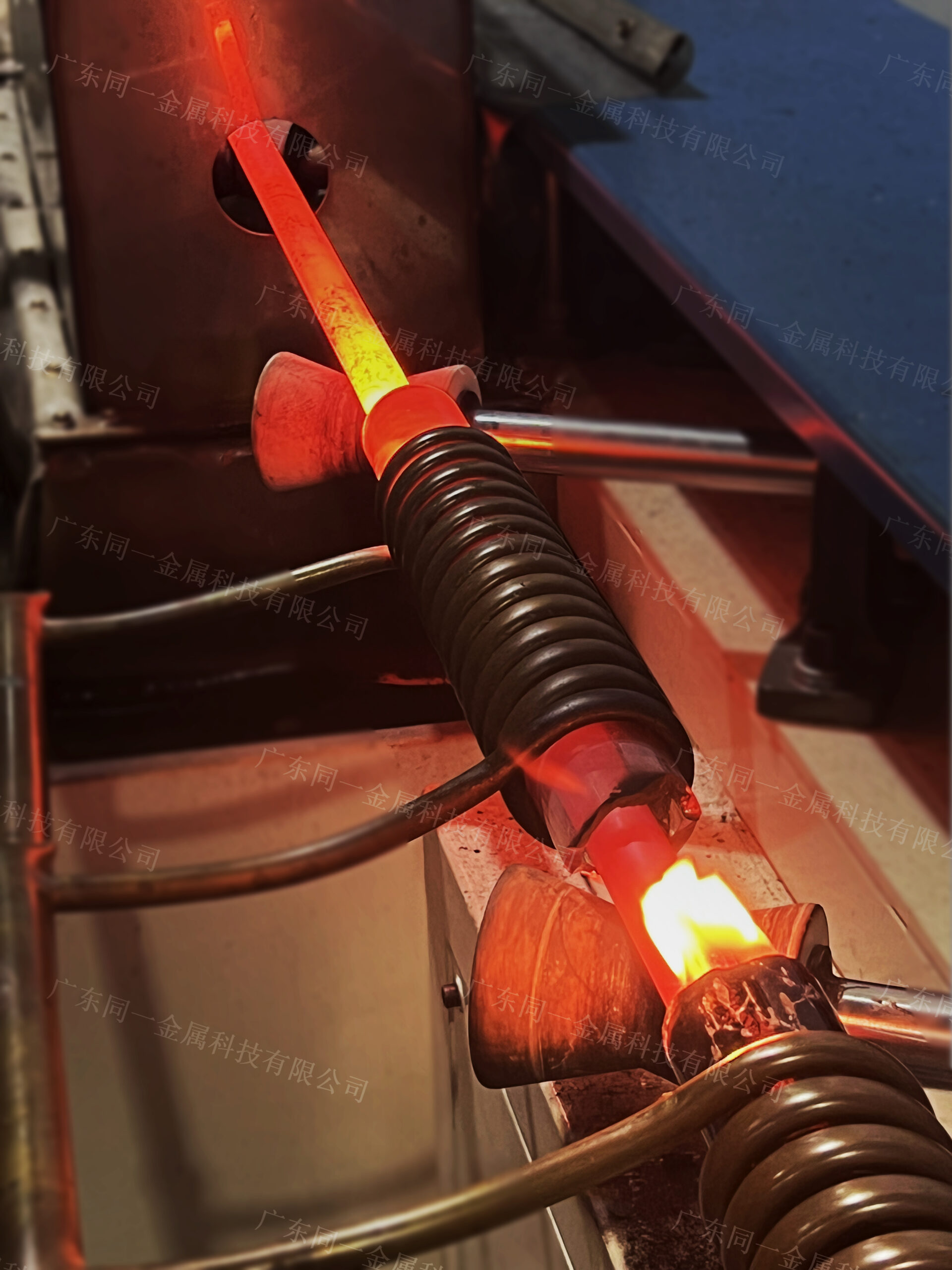
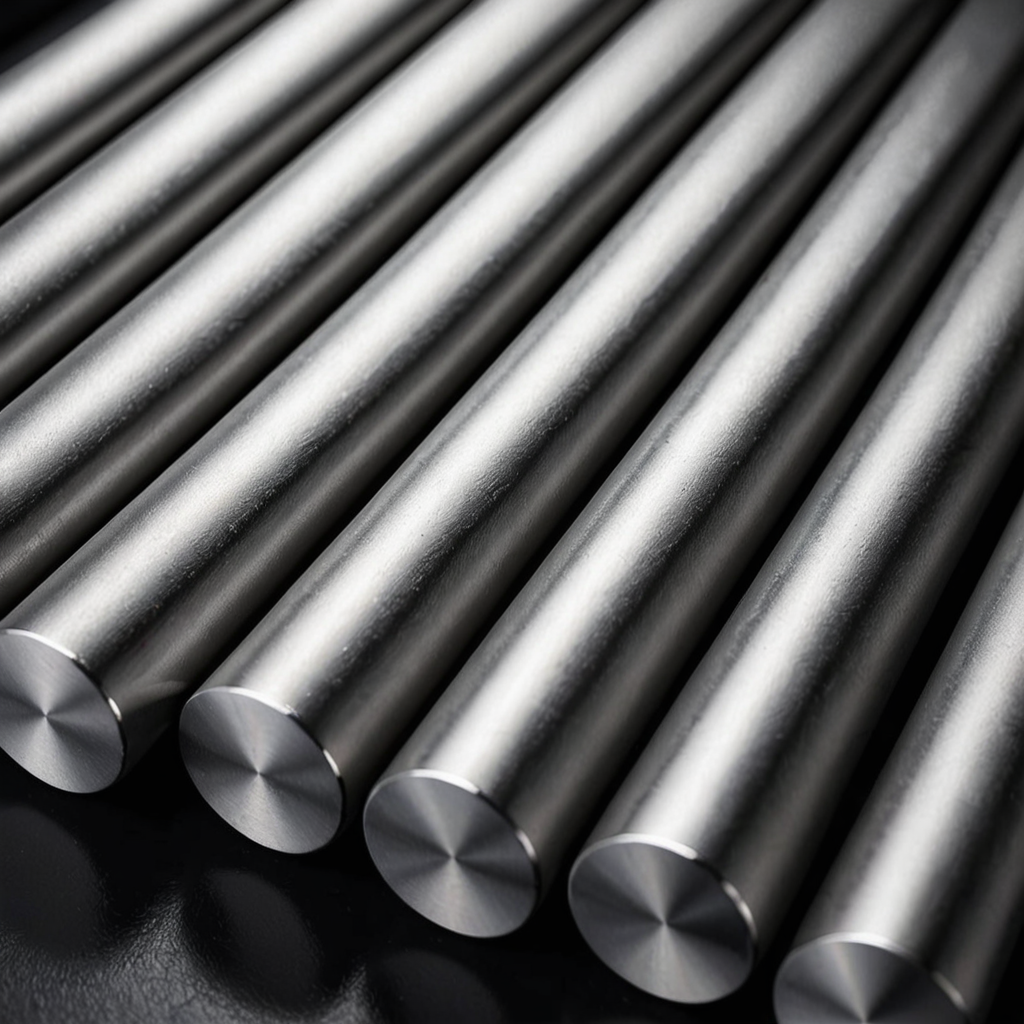
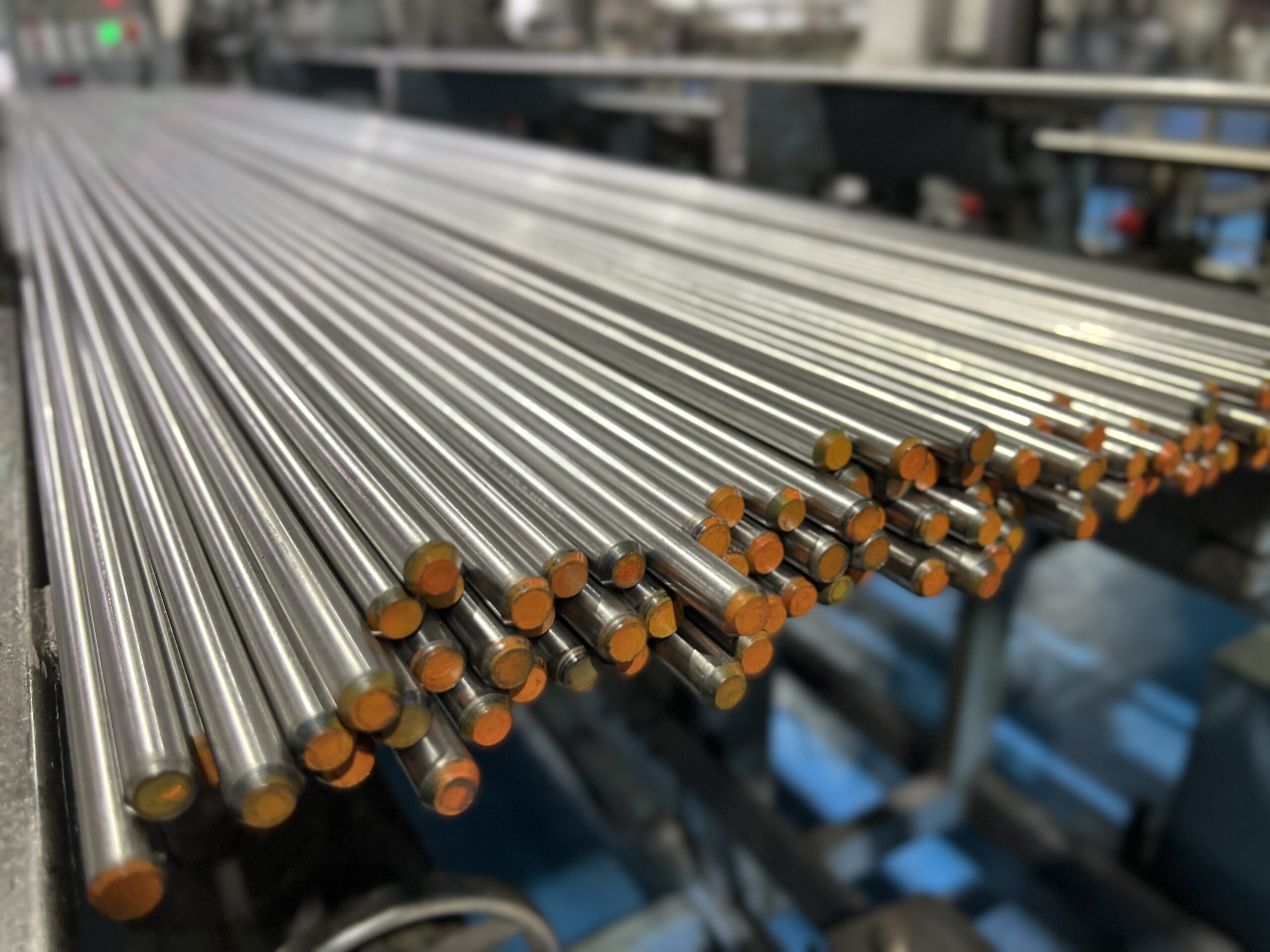
When 17-4PH round bars are properly normalized and quenched & tempered, their performance becomes predictable, repeatable, and suitable for precision machining. This is why carefully heat-treated Ø8.0 mm 17-4PH round bars have become a reliable choice for CNC turning, Swiss-type machining, and small precision parts.
What Makes 17-4PH Different from Ordinary Stainless Steel
17-4PH is a martensitic precipitation-hardening stainless steel. Unlike common austenitic grades such as 304 or 316, 17-4PH can achieve significantly higher strength through controlled heat treatment while still maintaining good corrosion resistance.
However, this advantage only exists when heat treatment is done correctly. Without proper normalization and tempering, the material may suffer from uneven hardness, residual stress, or unstable cutting behavior.
Chemical Composition of 17-4PH Stainless Steel
| Element | Typical Content (%) | Function |
|---|---|---|
| Chromium (Cr) | 15.0–17.5 | Corrosion resistance and strength |
| Nickel (Ni) | 3.0–5.0 | Toughness and precipitation hardening |
| Copper (Cu) | 3.0–5.0 | Key strengthening element |
| Carbon (C) | ≤ 0.07 | Controlled to prevent brittleness |
| Manganese (Mn) | ≤ 1.00 | Improves toughness |
| Silicon (Si) | ≤ 1.00 | Structural stability |
| Iron (Fe) | Balance | Base material |
This composition allows 17-4PH to respond precisely to heat treatment, forming a fine martensitic structure reinforced by copper precipitation.
Controlled Hardness for Machining Stability
In machining, hardness that is too low causes deformation, while hardness that is too high leads to tool wear and chatter. For Ø8.0 mm 17-4PH round bars, a controlled hardness range of HRC38–42 strikes a practical balance.
This hardness range offers:
-
Stable cutting forces
-
Reduced vibration during turning
-
Predictable tool life
-
Clean surface finish
Most importantly, the hardness is uniform from surface to core, preventing sudden tool load changes during machining.
Mechanical Properties After Heat Treatment
| Property | Typical Value |
|---|---|
| Hardness | HRC 38–42 |
| Tensile Strength | ≥ 1100 MPa |
| Yield Strength | ≥ 1000 MPa |
| Elongation | ≥ 10% |
| Impact Toughness | Good for precision components |
These properties make heat-treated 17-4PH bars suitable for parts that must handle both mechanical stress and dimensional precision.
Why Ø8.0 mm Bars Need Extra Control
Smaller diameters place higher demands on material consistency. Even minor deviations in hardness or straightness become obvious during machining. For Ø8.0 mm bars used in CNC or Swiss-type lathes, problems like bending, chatter, or uneven surface finish often trace back to internal stress or inconsistent structure.
By using normalized and tempered 17-4PH bars, residual stress is reduced, internal structure is refined, and straightness remains stable during cutting.
Typical Machining Applications of 17-4PH Bars
Heat-treated 17-4PH round bars are widely used for:
-
Precision shafts and pins
-
Structural fasteners
-
Valve stems and actuator parts
-
Aerospace fittings
-
High-strength mechanical connectors
These applications require consistent machining behavior rather than just high strength numbers.
Dimensional Control and Cut-to-Length Supply
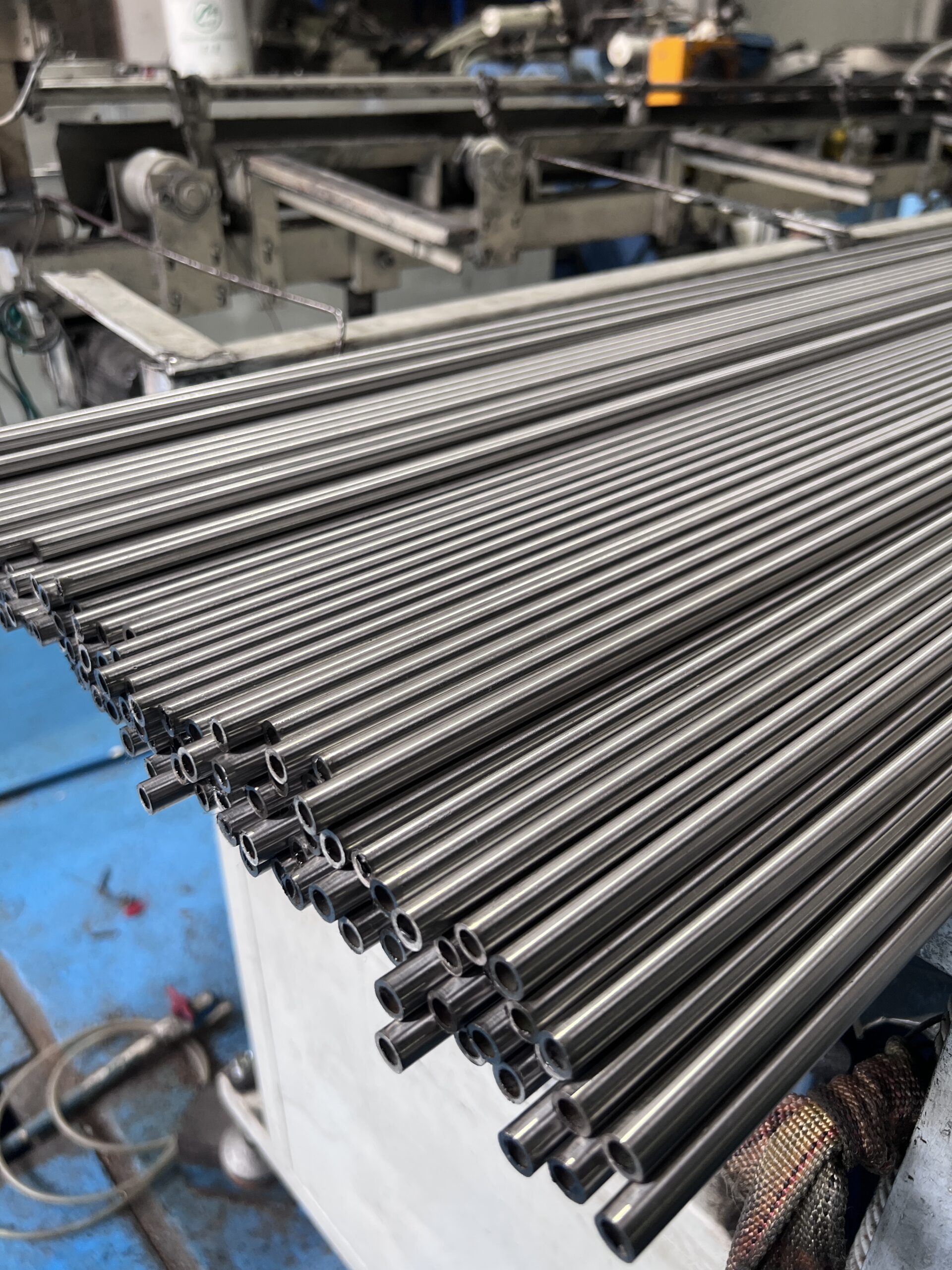
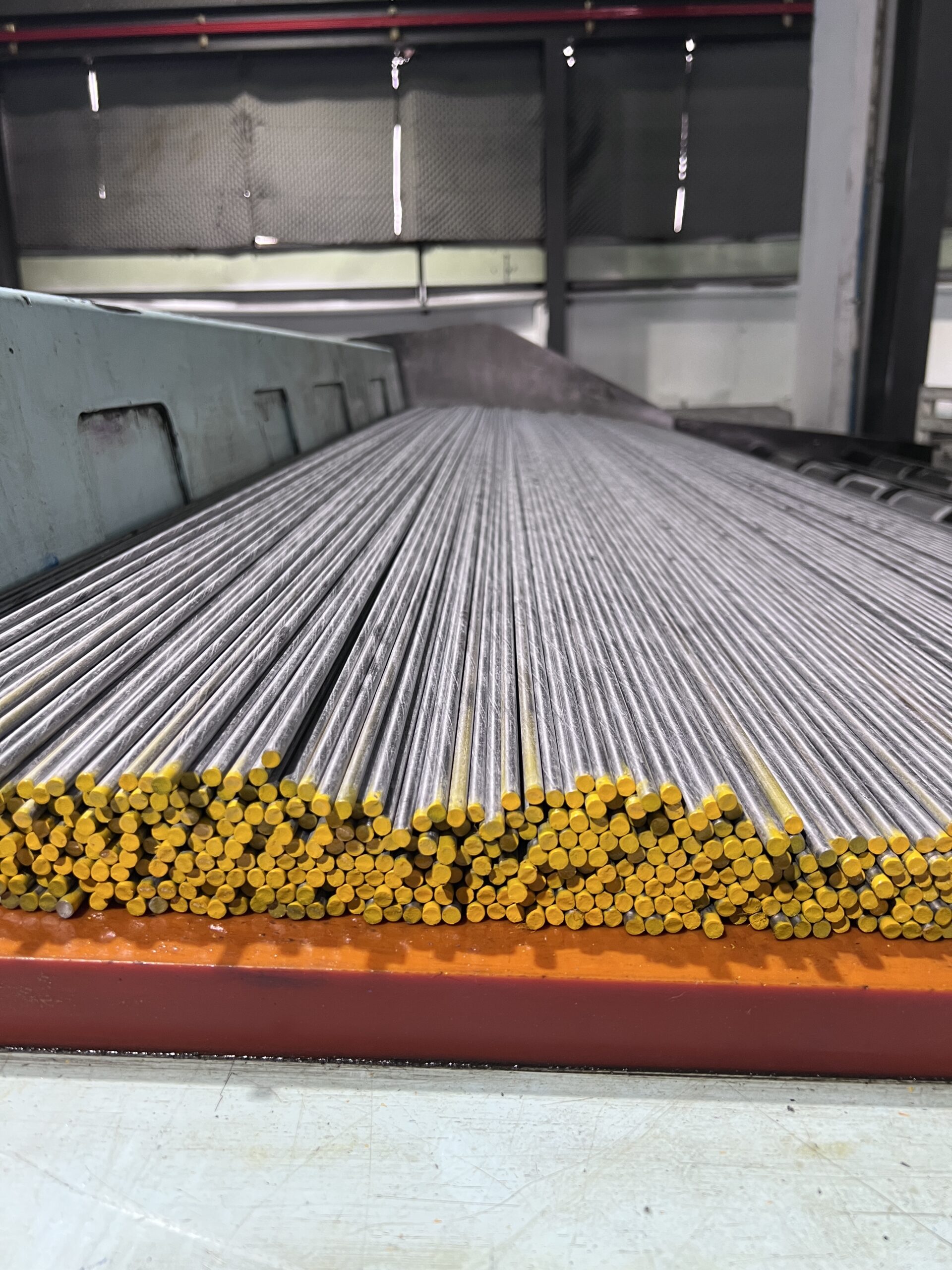
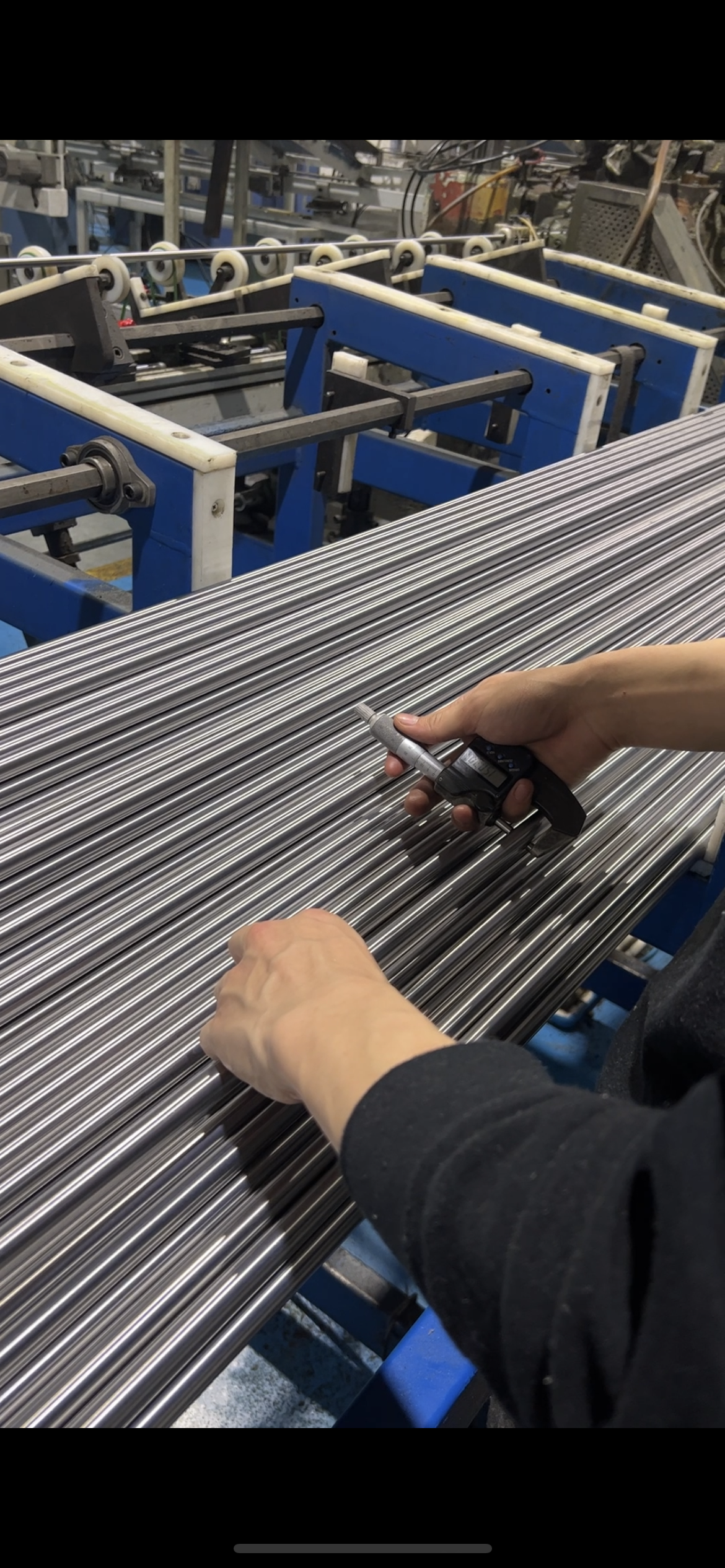
For machining shops, material preparation affects efficiency. Bars supplied with unstable length or inconsistent ends increase setup time. Precision suppliers offer cut-to-length services, ensuring bars arrive ready for direct loading into machines.
Consistent diameter, straightness, and length allow machines to run longer without adjustment, reducing downtime and improving batch consistency.
Why Consistency Beats Over-Specification
Many machining problems are not caused by insufficient strength, but by unstable material behavior. Over-hardened bars increase tool cost, while under-treated bars lead to deformation. The value of properly heat-treated 17-4PH lies in its balance, not extremes.
When hardness, structure, and stress are controlled together, machining becomes predictable. This predictability is what production managers value most.
Quality Control That Supports Machining
At Tongyi Metal, heat-treated 17-4PH stainless steel bars are produced with machining performance in mind. Each batch undergoes:
-
Controlled normalization and tempering
-
Hardness verification across sections
-
Straightness and dimensional inspection
-
Optional cut-to-length preparation
This approach ensures bars behave consistently on CNC and Swiss-type machines, especially for small-diameter precision work.
Properly heat-treated 17-4PH stainless steel round bars are not just strong materials; they are machining-ready solutions. With hardness controlled at HRC38–42, uniform internal structure, and stable cutting behavior, they help machining shops reduce scrap, protect tools, and maintain dimensional accuracy.
For applications where precision and repeatability matter, choosing stable heat-treated 17-4PH bars is a practical decision rooted in real machining experience rather than theory.