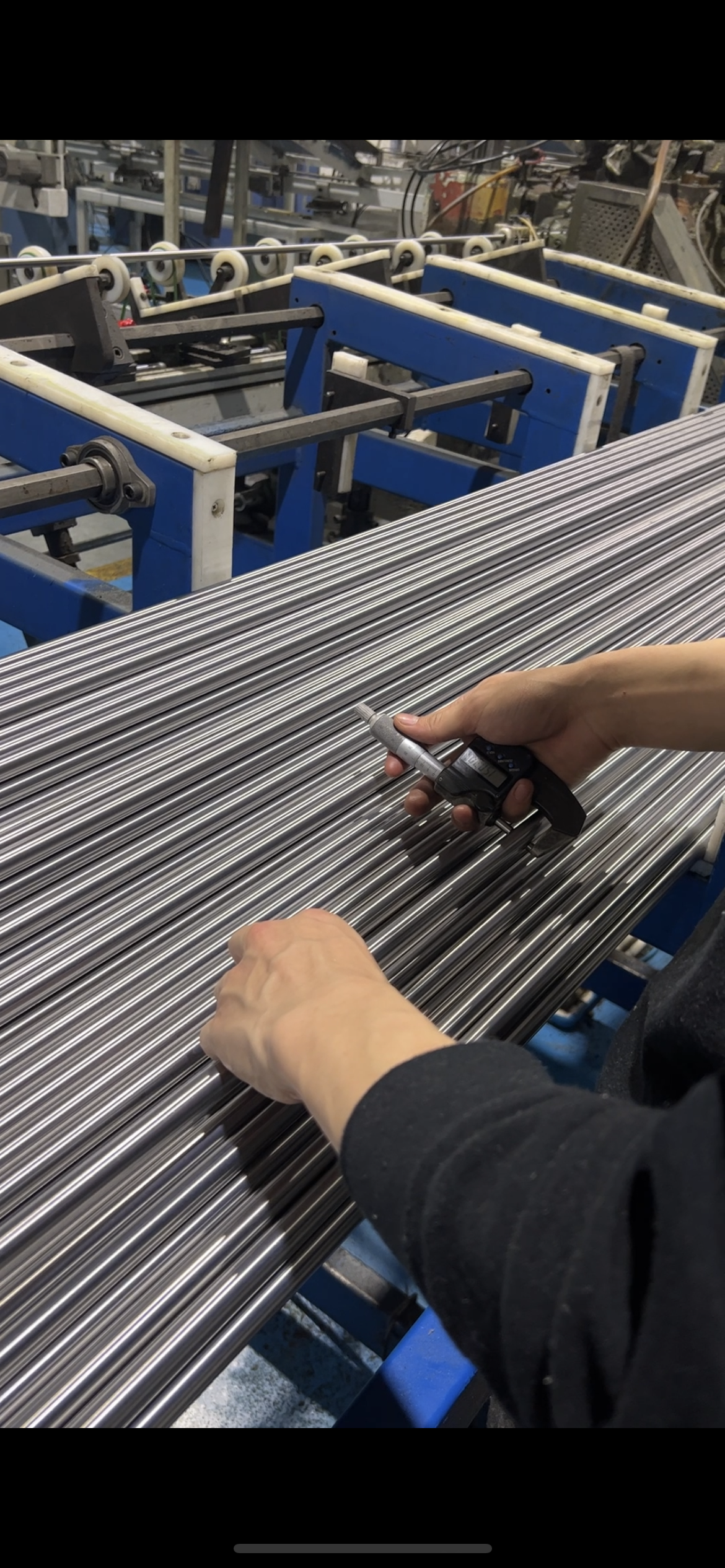
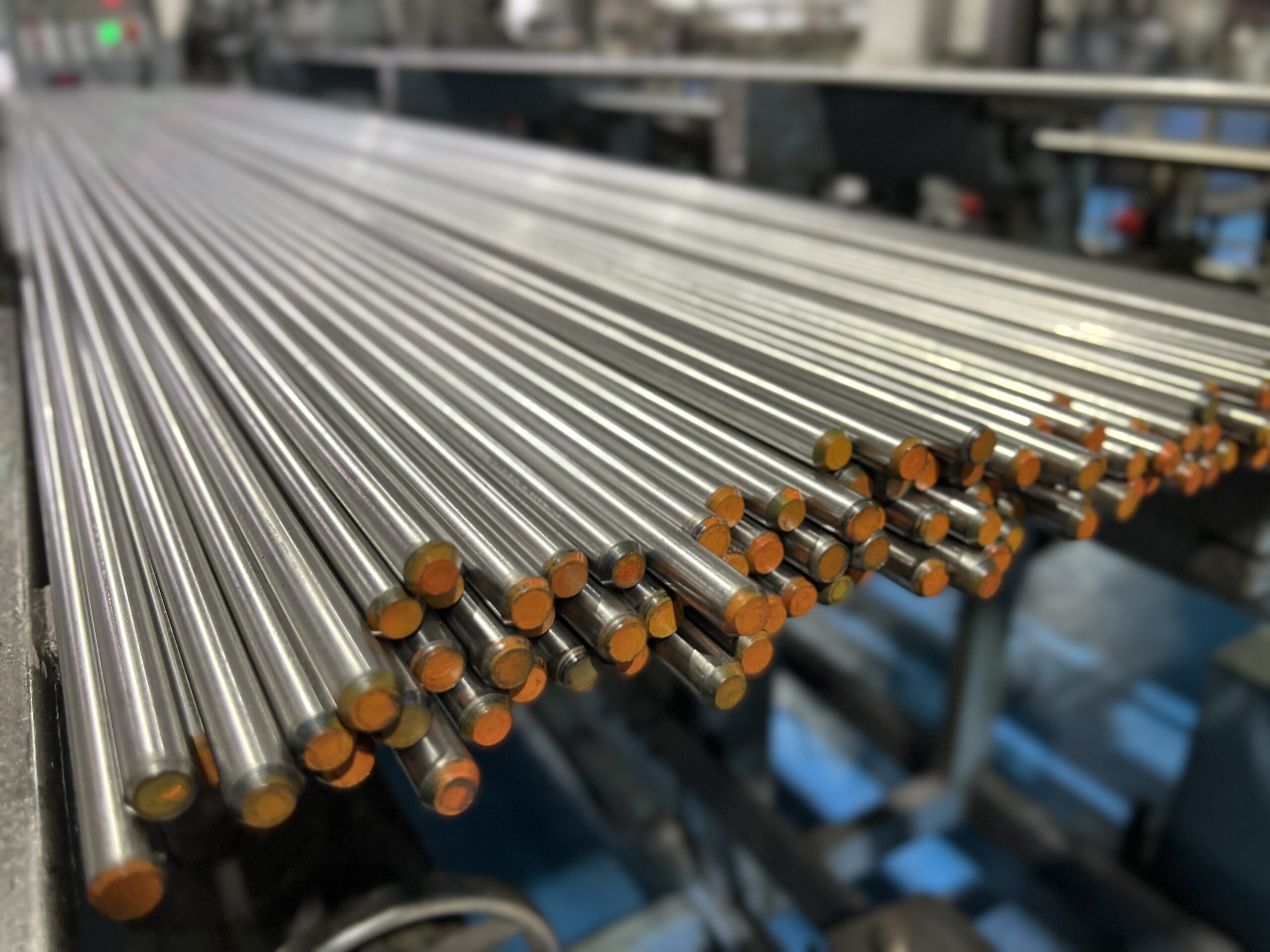
When engineers compare stainless steel materials for demanding environments, 2205 duplex stainless steel and 316L austenitic stainless steel often appear on the same shortlist. Both offer good corrosion resistance and reliable performance. However, in many structural and load-bearing applications, 2205 shows clear advantages over 316L.
Understanding these differences helps designers and procurement teams choose the right material based on real performance rather than habit.
Fundamental Structural Difference
The key reason behind the performance gap lies in microstructure.
316L is a fully austenitic stainless steel, known for its excellent corrosion resistance and good formability.
2205, on the other hand, is a duplex stainless steel, consisting of roughly 50% austenite and 50% ferrite.
This dual-phase structure allows 2205 to combine the toughness of austenitic steel with the strength and stress resistance of ferritic steel.
Strength Comparison: Yield Strength Matters
One of the most important differences between 2205 and 316L is yield strength. In real engineering applications, yield strength determines how much load a component can carry before permanent deformation occurs.
2205 duplex stainless steel offers more than twice the yield strength of 316L. This means components made from 2205 can either carry higher loads or be designed with thinner cross-sections, reducing weight and material consumption.
Mechanical Property Comparison
| Property | 2205 Duplex Stainless Steel | 316L Stainless Steel |
|---|---|---|
| Yield Strength | ≥ 450 MPa | ≥ 170 MPa |
| Tensile Strength | 620–880 MPa | 485–620 MPa |
| Elongation | ≥ 25% | ≥ 40% |
| Hardness | Higher | Lower |
| Structural Stability | Excellent | Good |
While 316L provides higher elongation, 2205 maintains sufficient ductility while delivering much greater structural strength.
Stress Corrosion Cracking Resistance
Stress corrosion cracking is a common failure mode in chloride-containing environments such as seawater, chemical processing systems, and offshore equipment. This type of failure often occurs suddenly and without obvious warning.
2205 duplex stainless steel offers significantly higher resistance to stress corrosion cracking compared to 316L. The ferritic phase in 2205 plays a critical role in suppressing crack initiation and propagation under tensile stress and corrosive conditions.
For applications involving pressure, temperature fluctuations, and chloride exposure, this advantage becomes decisive.
Localized Corrosion and Wear Resistance
In addition to stress corrosion resistance, 2205 performs better than 316L in terms of:
-
Pitting corrosion resistance
-
Crevice corrosion resistance
-
Wear-corrosion combined environments
This makes 2205 suitable for components exposed to both mechanical contact and corrosive media, such as shafts, fasteners, and fluid-handling parts.
Practical Design Advantages
Because of its higher strength, 2205 allows engineers to design components with reduced wall thickness while maintaining safety margins. This can lead to:
-
Lower overall weight
-
Reduced raw material usage
-
Improved cost efficiency over the full lifecycle
In contrast, 316L often requires thicker sections to achieve the same mechanical performance.
Machining and Fabrication Considerations
316L is generally easier to machine and form due to its softer structure. However, with proper tooling and process control, 2205 stainless steel bars can also be machined reliably, especially when supplied with consistent chemical composition and controlled processing.
For projects where long-term performance outweighs short-term machining convenience, 2205 becomes the more rational choice.
Typical Applications Where 2205 Replaces 316L
2205 duplex stainless steel is increasingly used in:
-
Offshore and marine structures
-
Chemical processing equipment
-
Pressure vessels and heat exchangers
-
Shafts and load-bearing rods
-
Pumps and valve components
These are areas where failure costs are high and material reliability is critical.
Material Selection Is About Balance
Choosing between 2205 and 316L is not about which material is “better” in general. It is about matching material behavior to real operating conditions. When strength, stress corrosion resistance, and wear-corrosion performance are priorities, 2205 offers clear technical advantages.
About Tongyi Metal
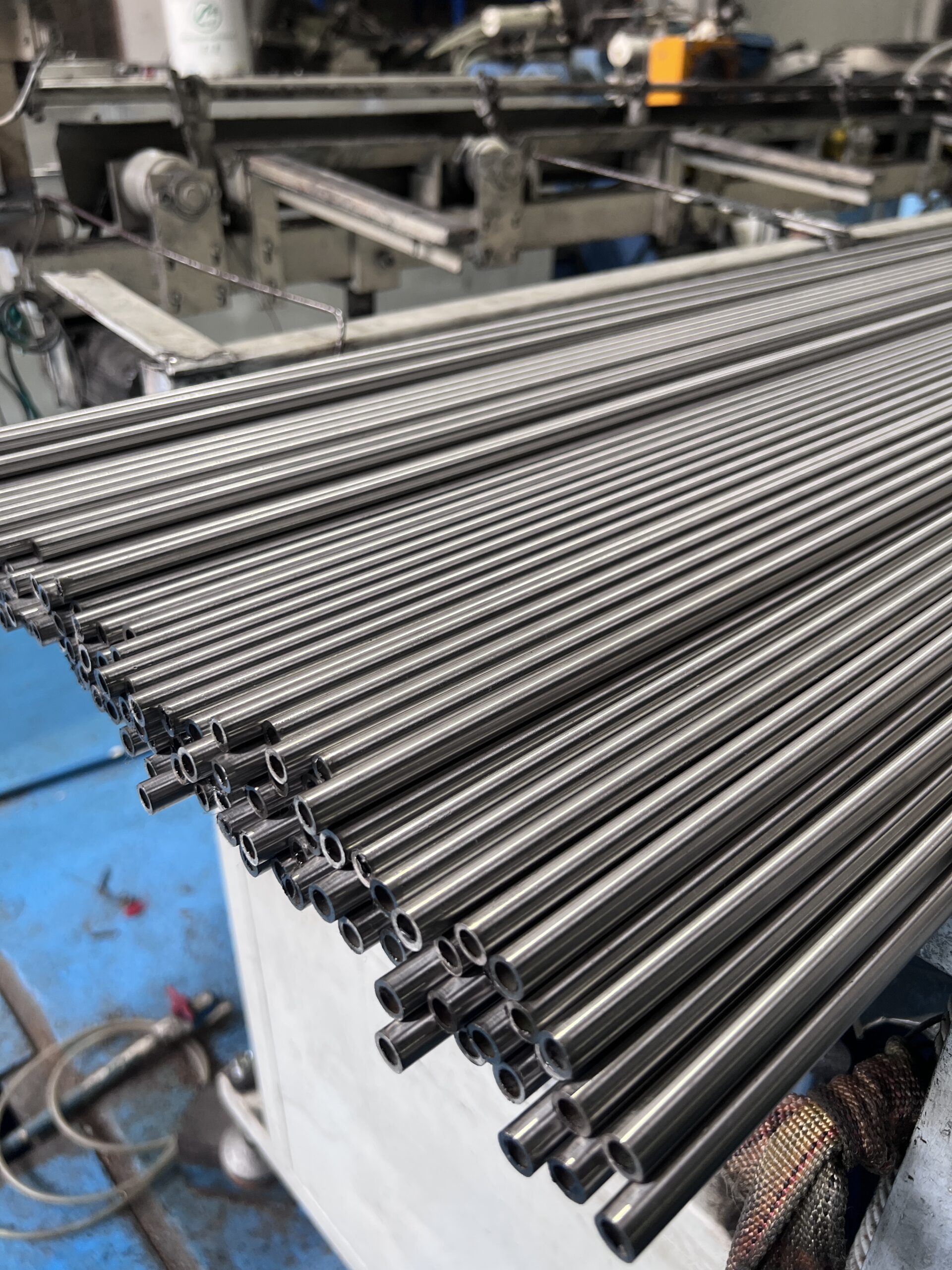
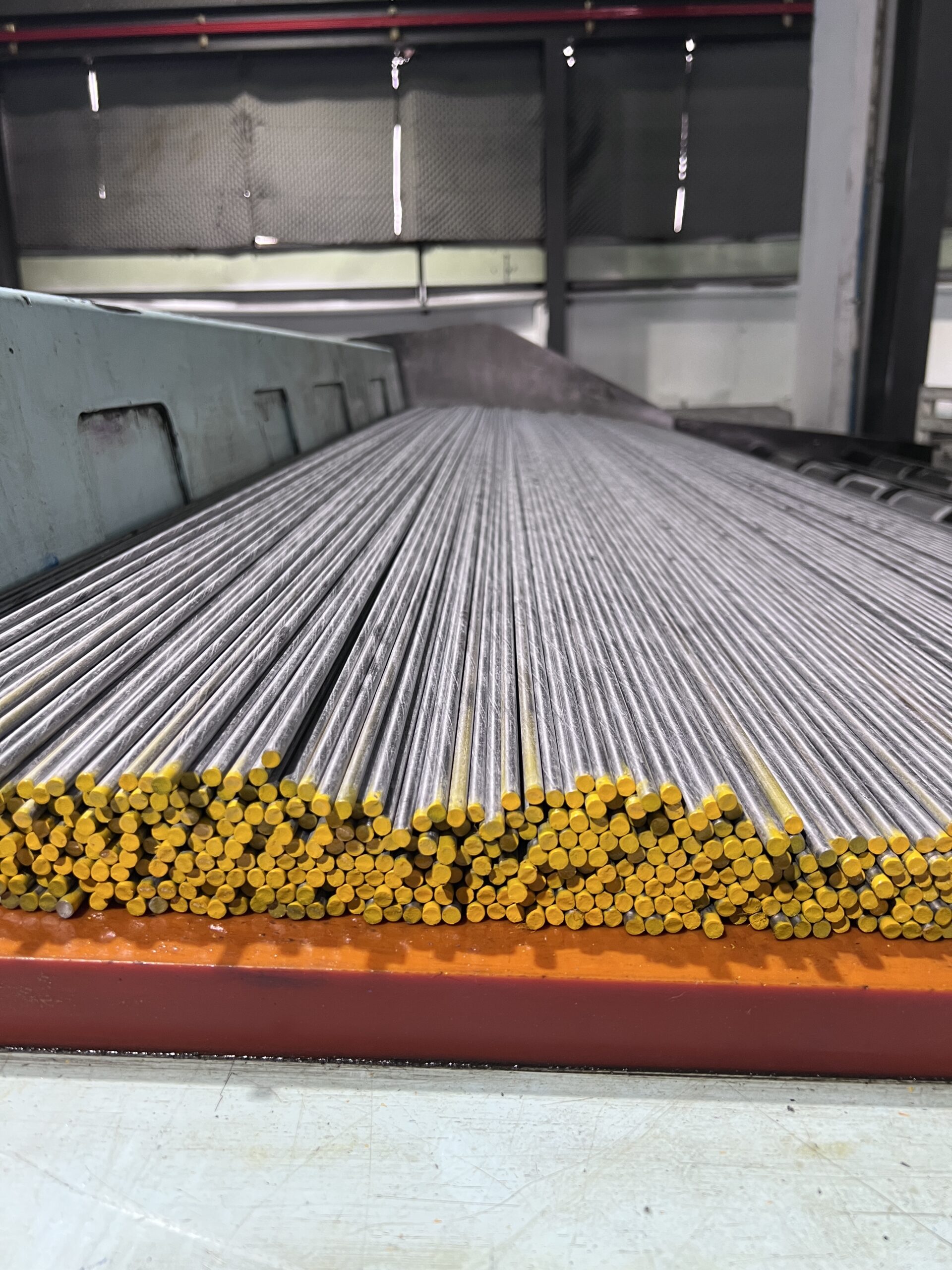
As a manufacturer focused on stainless steel bars, Tongyi Metal supplies both 2205 duplex stainless steel bars and 316L stainless steel bars with controlled chemistry and stable processing. This ensures consistent mechanical performance and reliable behavior during machining and service.
For engineers and buyers evaluating material upgrades, understanding these differences helps avoid overdesign, premature failure, and unnecessary cost.