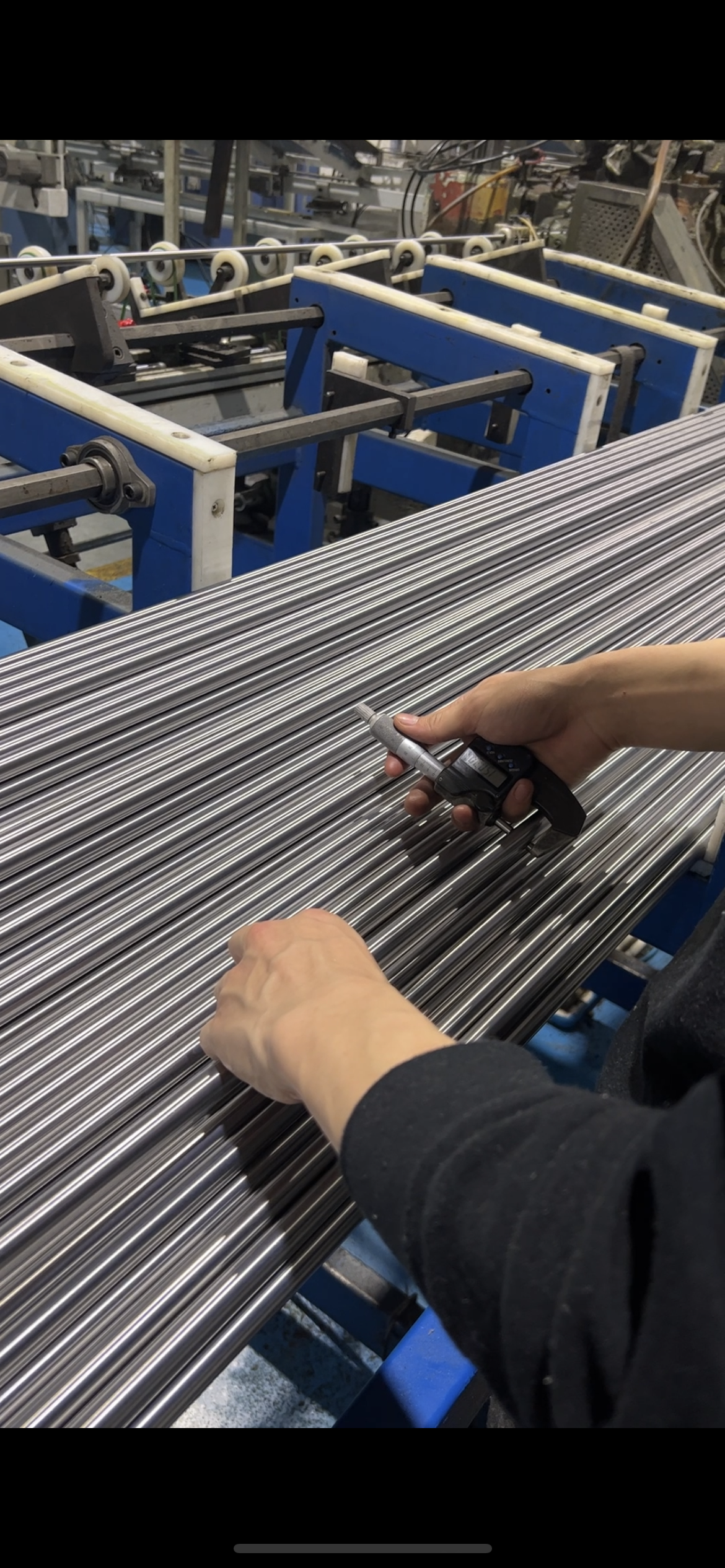
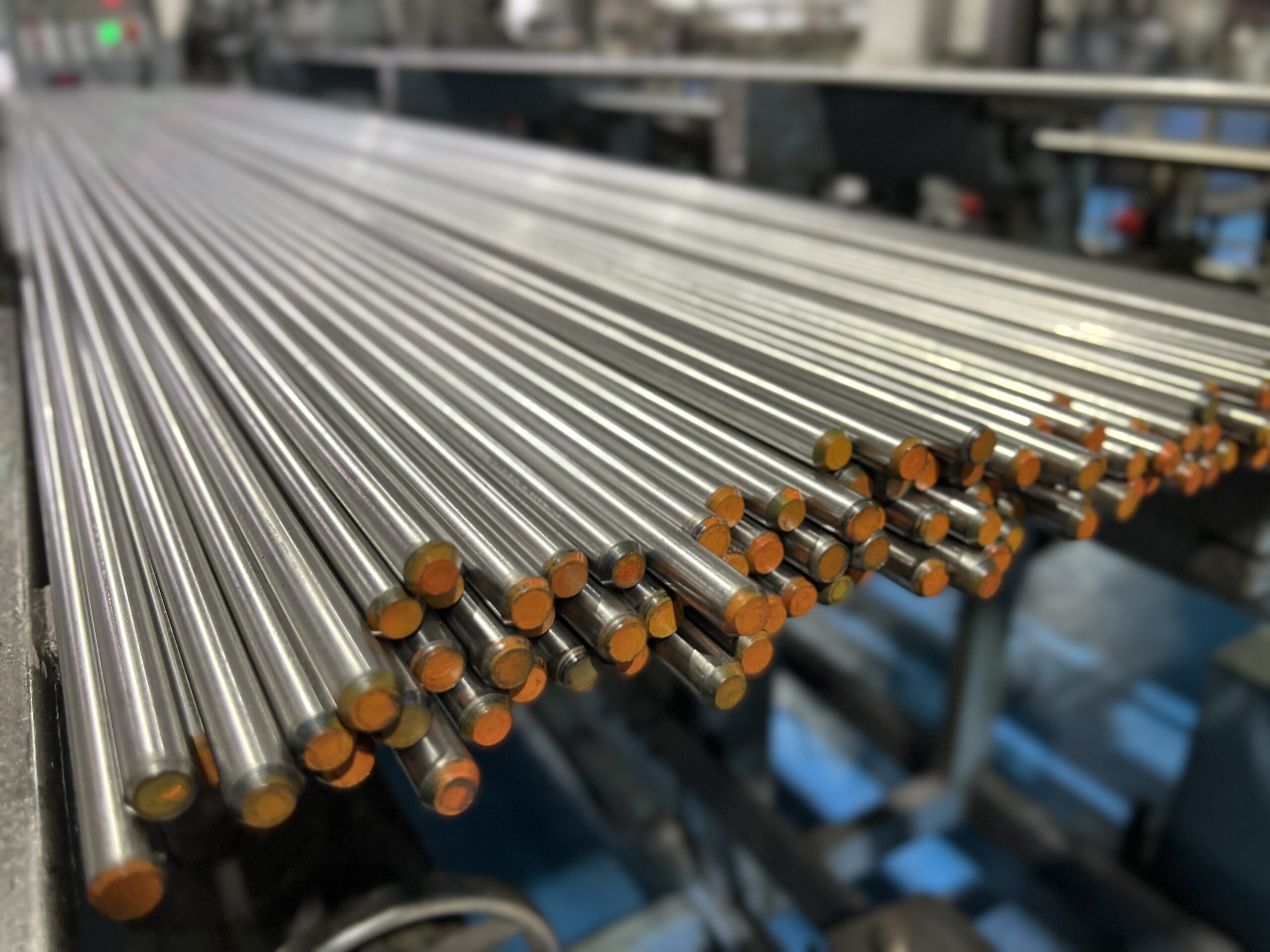
In mechanical design, strength is often seen as the primary requirement. However, for many components subjected to repeated loading, elastic recovery and wear resistance are far more critical. This is where 65Mn spring steel distinguishes itself.
65Mn does not aim to be thick or heavy. Its true value lies in its ability to store energy, release it repeatedly, and return to its original shape with minimal performance loss. That characteristic makes 65Mn one of the most widely used spring steels in industrial applications.
Chemical Composition and Its Significance
65Mn is classified as a high-carbon manganese steel. Its carbon content typically ranges from 0.62% to 0.70%, while manganese content is significantly higher than that of ordinary carbon steels.
The high carbon level contributes to increased hardness after heat treatment, while manganese improves strength and hardenability. Together, they allow 65Mn to achieve a fine balance between elasticity, strength, and wear resistance when processed correctly.
Elasticity: The Defining Feature of 65Mn
The most distinctive feature of 65Mn is its exceptional elastic recovery. Under cyclic loading, components made from 65Mn can deform elastically and return to their original shape repeatedly without permanent deformation.
This makes 65Mn particularly suitable for parts that experience continuous compression, bending, or impact. Unlike ordinary steels that gradually lose shape under repeated stress, 65Mn maintains dimensional stability over long service periods.
Wear Resistance and Surface Performance
After proper quenching or surface hardening, 65Mn exhibits excellent wear resistance. Its hardened surface can withstand long-term friction and contact stress without rapid degradation.
This wear resistance is especially important in moving or contacting components where surface failure can directly lead to functional loss.
Heat Treatment Sensitivity
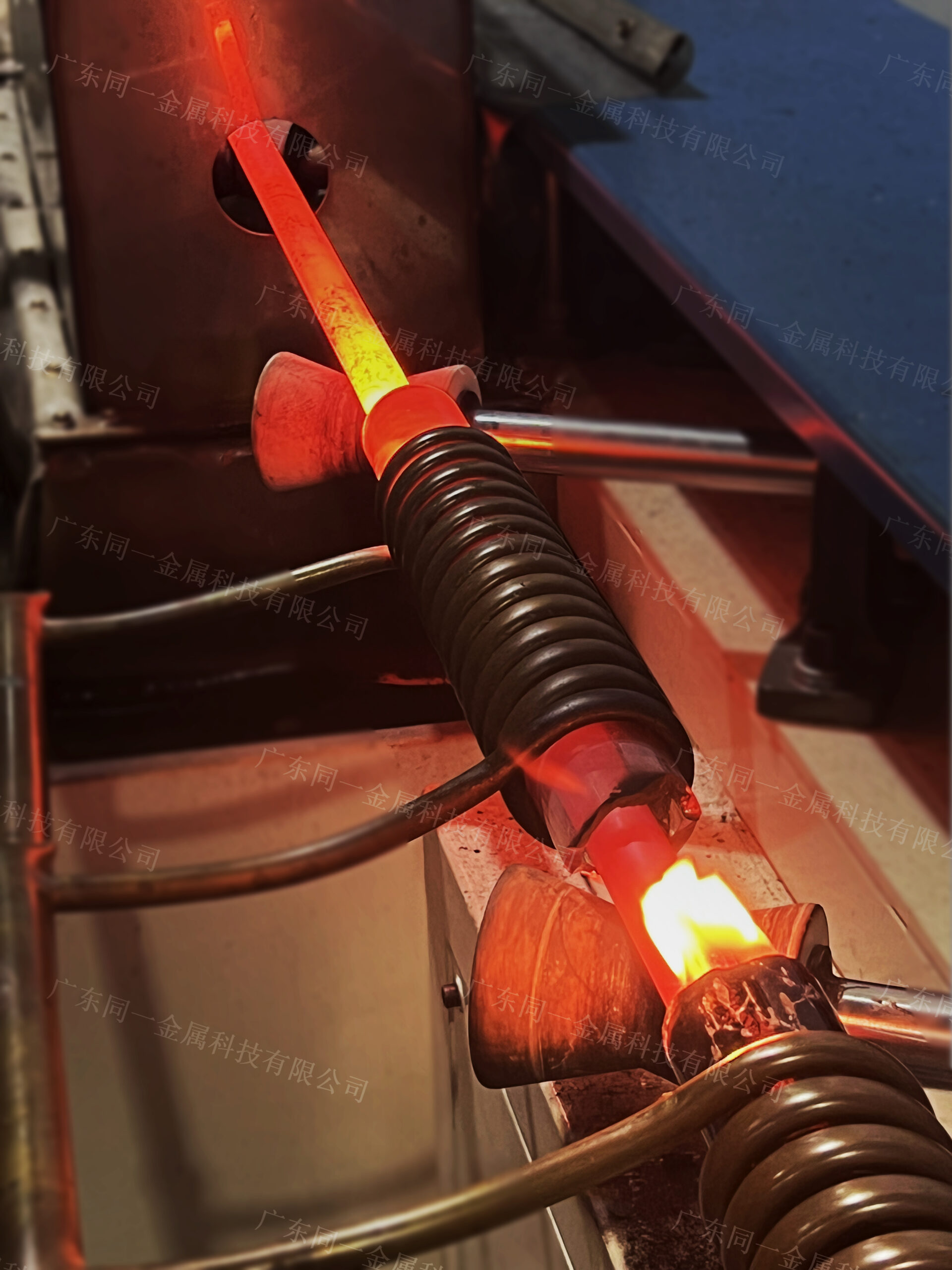
One critical aspect of 65Mn is its high sensitivity to heat treatment parameters. Temperature control, holding time, and cooling rate all play decisive roles in determining final performance.
If heat treatment is improperly executed, the steel may suffer from excessive brittleness or insufficient elasticity. In other words, incorrect heat treatment can significantly downgrade the material’s intended properties.
Weldability Considerations
Due to its high carbon content, 65Mn has poor weldability. Welding can easily introduce cracks or brittle zones unless strict preheating and post-weld heat treatment are applied. For this reason, welding is generally not recommended for components made from 65Mn.
Typical Performance Characteristics
| Property | 65Mn Spring Steel |
|---|---|
| Carbon Content | 0.62%–0.70% |
| Elastic Recovery | Excellent |
| Wear Resistance | High after hardening |
| Heat Treatment Sensitivity | High |
| Weldability | Poor |
This combination of properties explains why 65Mn is commonly selected for spring-related components rather than general structural parts.
Why 65Mn Is Classified as a Spring Steel
Spring steels are defined not just by strength, but by their ability to endure repeated stress cycles without failure. 65Mn meets this requirement through its elastic memory, fatigue resistance, and surface durability.
Instead of focusing on mass or rigidity, 65Mn prioritizes controlled deformation and recovery, which is the core requirement in spring applications.
Understanding Material Boundaries
While 65Mn performs exceptionally well in elastic and wear-focused applications, it is not suitable for all scenarios. Its sensitivity to heat treatment and limited weldability mean that careful process control is essential.
Choosing 65Mn without understanding these boundaries can lead to performance issues. When used within its optimal range, however, it remains one of the most reliable spring steel grades available.
65Mn is not about thickness or heaviness. It is about rebound, resilience, and memory under stress. For components where repeated elastic deformation and wear resistance are essential, 65Mn continues to be a core material choice in modern manufacturing.