How Steel Is Made: The Complete Journey from Ore to Industry
Steel is the backbone of modern industry. From infrastructure and transportation to machinery and energy systems, steel supports nearly every sector of the global economy. With an annual global output exceeding 1.9 billion tons, steel production is one of the most important industrial processes in the world.
Understanding how steel is made not only reveals the complexity behind this material, but also explains why different steels exhibit different mechanical and chemical properties.
Raw Materials: Iron Ore and Fuel Preparation
The steelmaking process begins with iron ore, most commonly sourced from regions such as Australia due to its high iron content and stable quality. Before smelting, the ore undergoes crushing, screening, and roasting to form sinter or pellets. This step improves permeability and chemical stability inside the blast furnace.
At the same time, coal is processed in coke ovens at temperatures around 1200°C, producing coke. Coke serves both as a fuel and a reducing agent in the blast furnace, enabling chemical reactions essential for iron extraction.
Blast Furnace Smelting
The prepared sinter or pellets and coke are charged into a blast furnace operating at temperatures exceeding 1500°C. Hot air blown into the furnace reacts with coke to generate carbon monoxide, which reduces iron oxides into molten iron, known as hot metal or pig iron.
Impurities such as silica combine with fluxes to form slag, which floats on top of the molten iron and is removed separately. This step is critical for achieving clean iron with controlled chemical composition.
From Iron to Steel: Converter Refining
Molten iron contains a high carbon content and various residual elements, making it too brittle for most applications. To convert iron into steel, the molten iron is transferred to a basic oxygen converter.
Pure oxygen is blown into the melt to reduce carbon levels and remove unwanted elements. Depending on application requirements, alloying elements such as chromium, nickel, manganese, or silicon are added to achieve specific mechanical properties and corrosion resistance.
Secondary Refining and Quality Control
After initial refining, steel undergoes secondary metallurgy processes such as ladle refining. This stage fine-tunes chemical composition, removes dissolved gases, and improves cleanliness. Precision at this stage directly affects steel performance in demanding applications.
Continuous Casting
The refined molten steel is then solidified through continuous casting. Steel is poured into water-cooled molds, forming slabs, blooms, or billets. Continuous casting ensures uniform structure, reduced segregation, and improved yield compared to traditional ingot casting.
Hot Rolling and Shaping
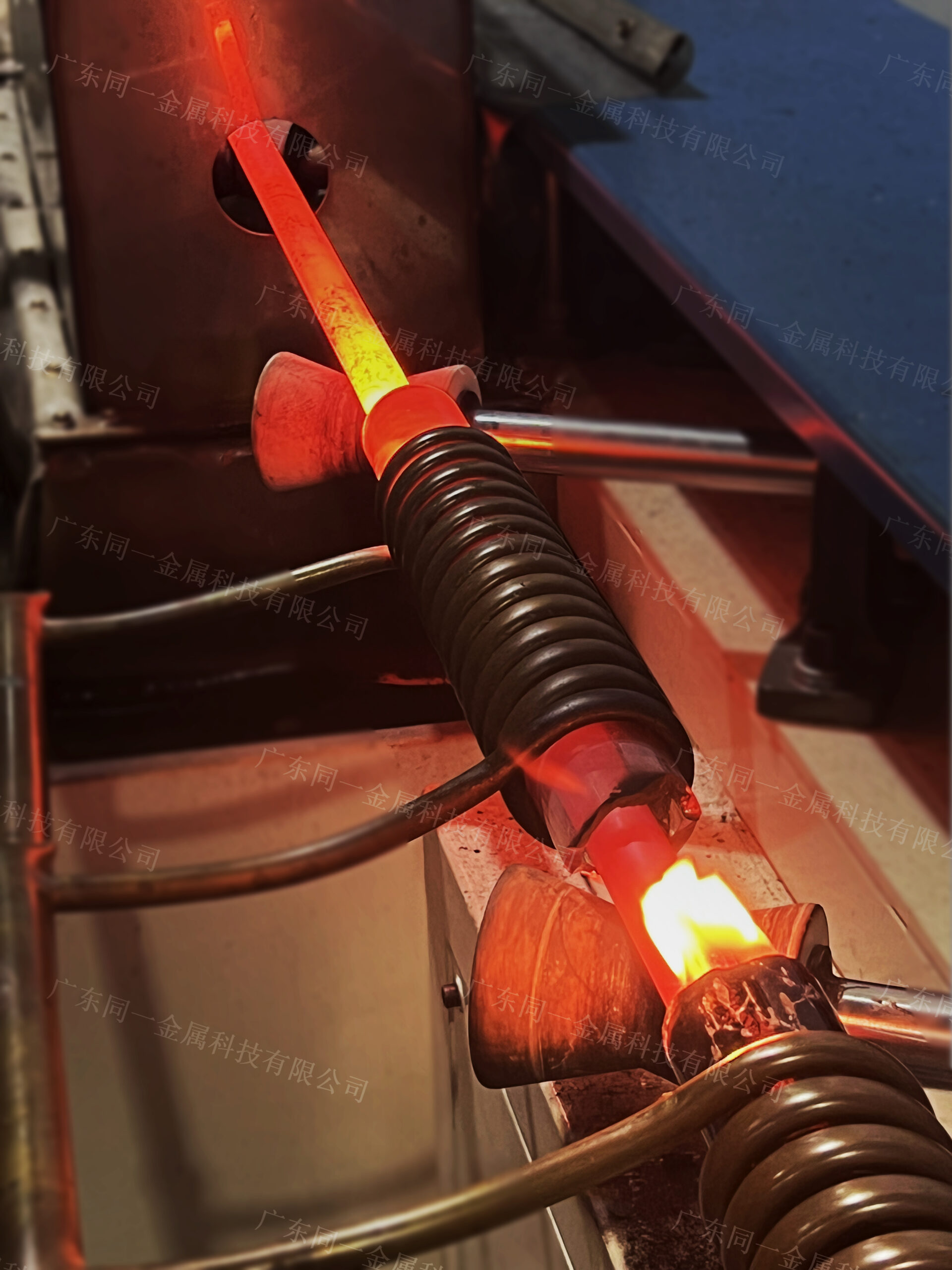
Cast steel products are reheated and processed through a series of rolling mills. Rough rolling reduces thickness and shapes the material, followed by intermediate and finishing rolling stages to achieve precise dimensions and surface quality.
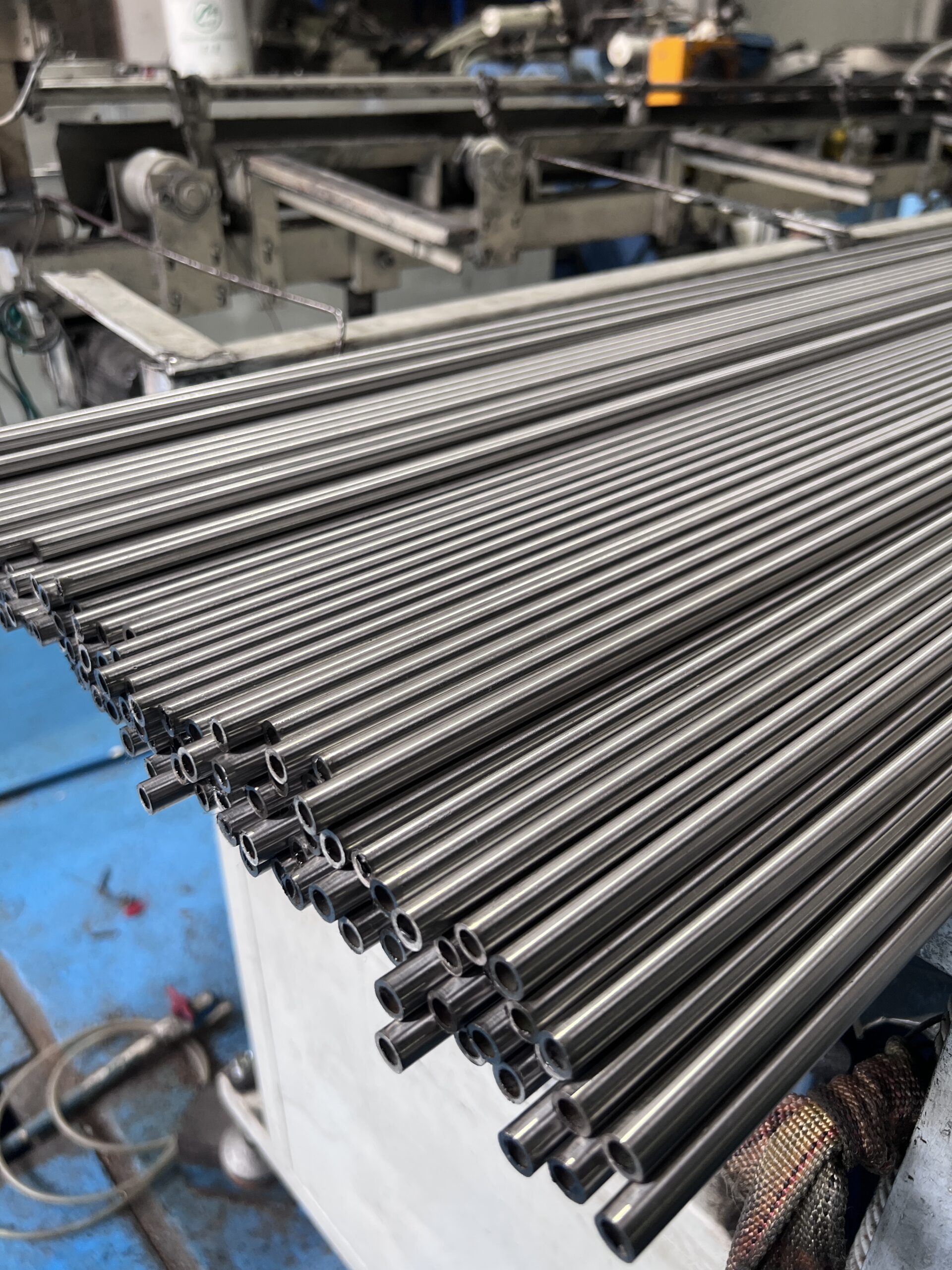
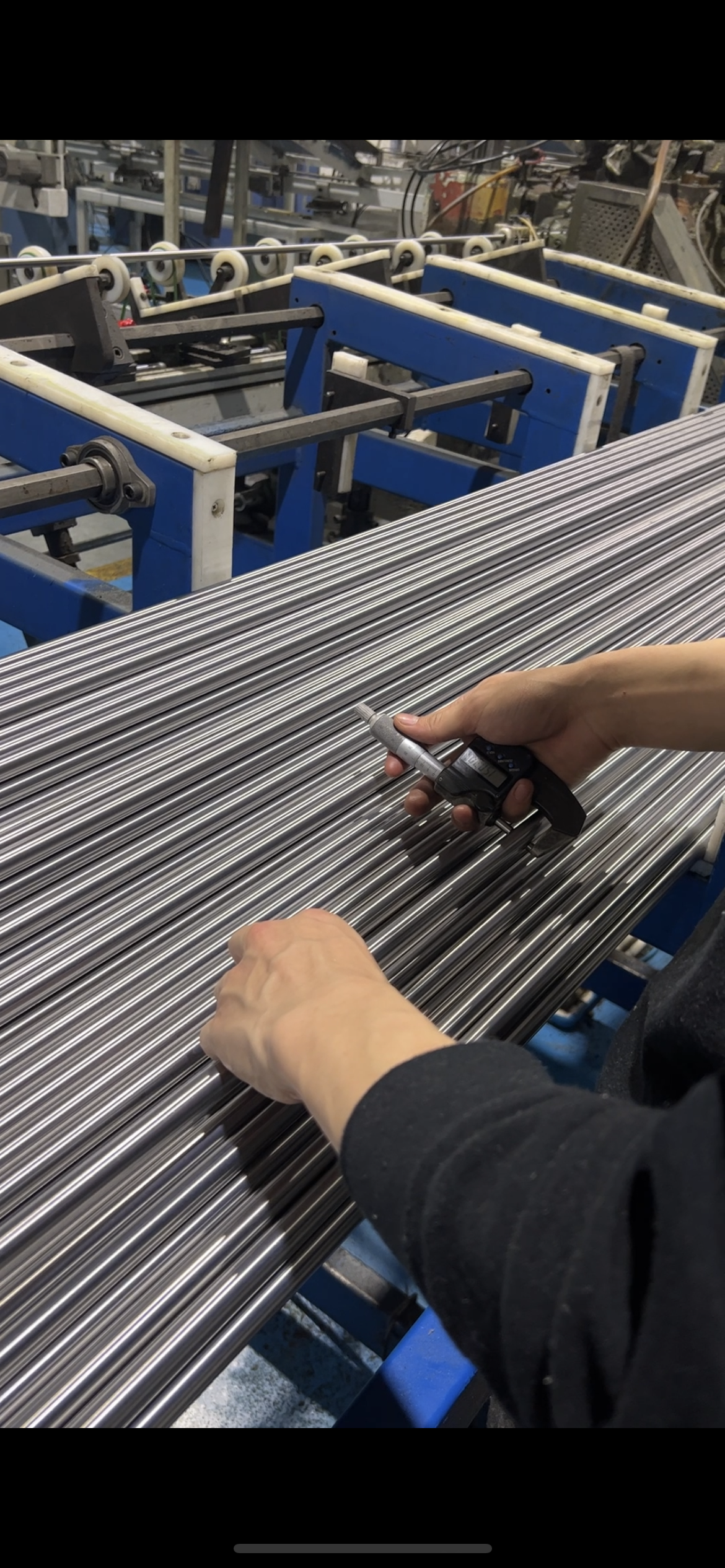
For bars and wire products, rolling may be followed by drawing or pulling processes to further refine dimensional accuracy.
Cooling, Inspection, and Packaging
After forming, steel products are cooled under controlled conditions to achieve the desired microstructure. Each batch undergoes inspection for chemical composition, mechanical properties, dimensional accuracy, and surface quality.
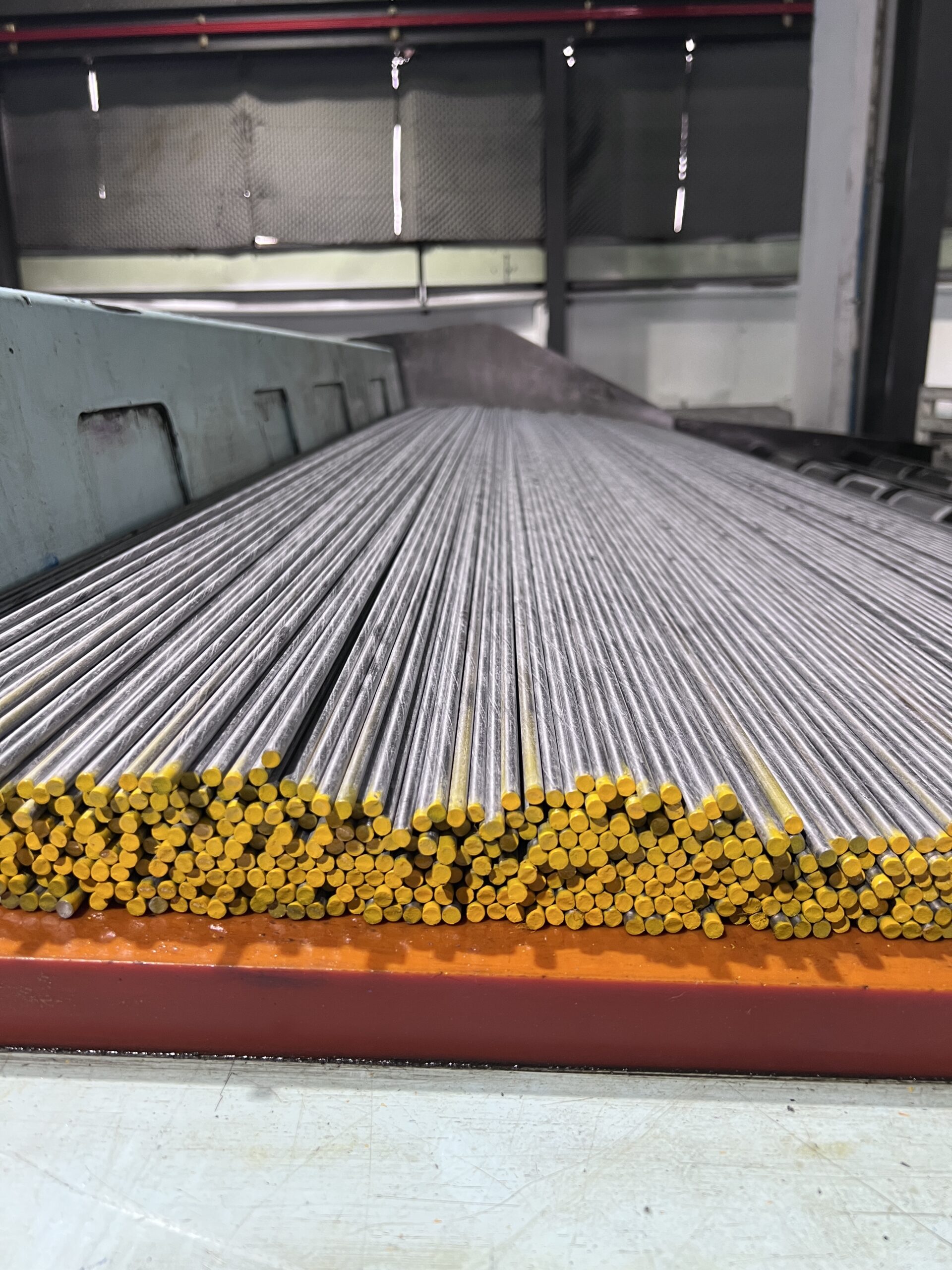
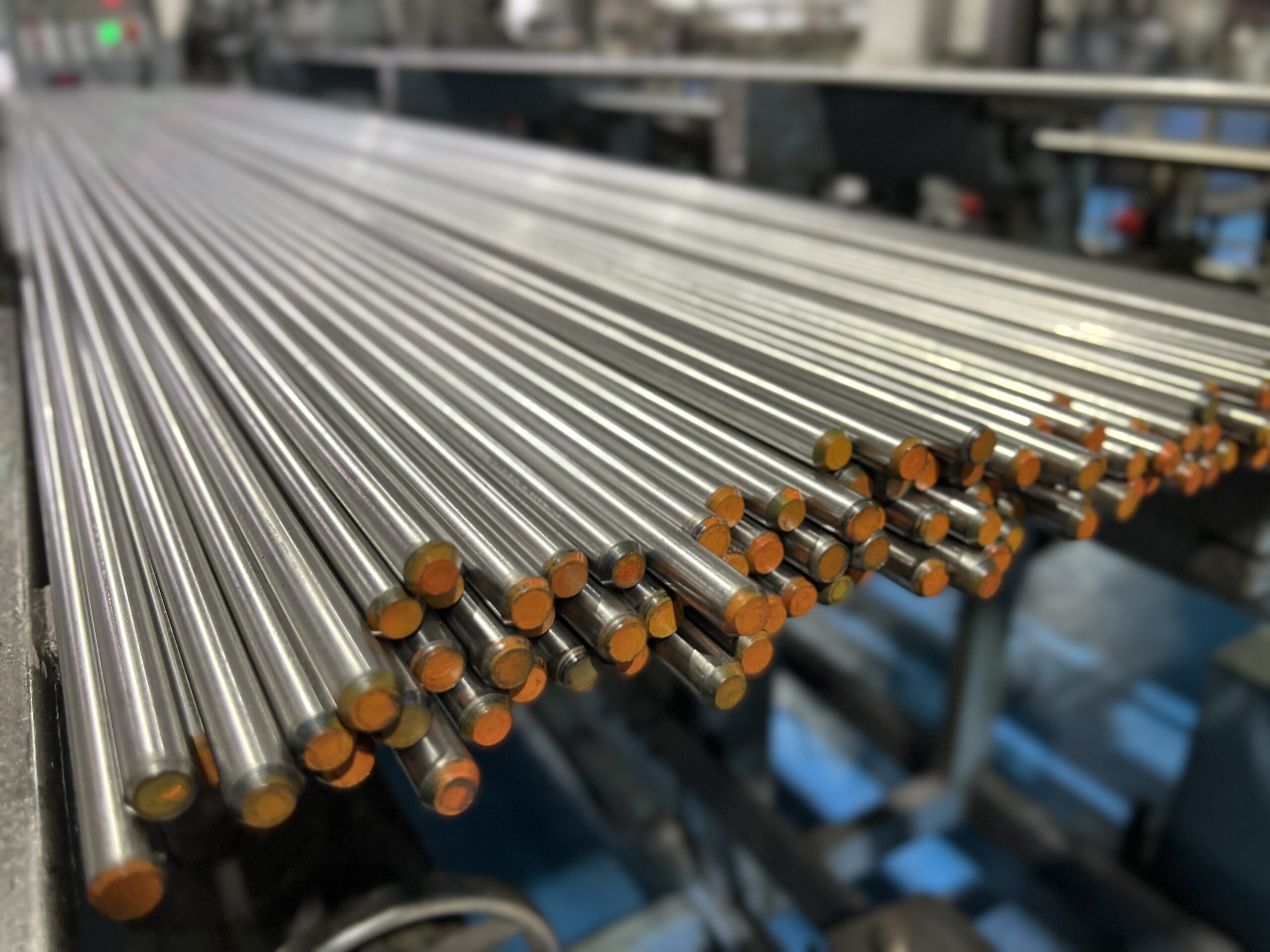
Qualified products are bundled, labeled, and prepared for delivery to construction, manufacturing, and infrastructure projects worldwide.
Overview of the Steelmaking Process
| Process Stage | Key Function |
|---|---|
| Iron Ore Preparation | Improves furnace efficiency |
| Coke Production | Provides fuel and reducing agent |
| Blast Furnace | Extracts molten iron |
| Oxygen Converter | Reduces carbon and refines steel |
| Secondary Refining | Improves purity and consistency |
| Continuous Casting | Forms semi-finished products |
| Rolling and Drawing | Achieves final shape and size |
| Inspection | Ensures quality compliance |
Why Process Control Matters
Every stage of steel production influences final performance. Variations in temperature, composition, or cooling can lead to differences in strength, toughness, corrosion resistance, and machinability.
That is why steel is not a single material, but a family of materials engineered through precise control at each step.
Conclusion
Steelmaking is a highly integrated industrial process that transforms raw mineral resources into materials that support modern civilization. From iron ore preparation to final inspection, every stage plays a role in defining steel’s reliability and versatility.
Understanding how steel is made provides valuable insight into why material selection and process control are critical in industrial manufacturing.
Steel is the backbone of modern industry. From infrastructure and transportation to machinery and energy systems, steel supports nearly every sector of the global economy. With an annual global output exceeding 1.9 billion tons, steel production is one of the most important industrial processes in the world.
Understanding how steel is made not only reveals the complexity behind this material, but also explains why different steels exhibit different mechanical and chemical properties.
Raw Materials: Iron Ore and Fuel Preparation
The steelmaking process begins with iron ore, most commonly sourced from regions such as Australia due to its high iron content and stable quality. Before smelting, the ore undergoes crushing, screening, and roasting to form sinter or pellets. This step improves permeability and chemical stability inside the blast furnace.
At the same time, coal is processed in coke ovens at temperatures around 1200°C, producing coke. Coke serves both as a fuel and a reducing agent in the blast furnace, enabling chemical reactions essential for iron extraction.
Blast Furnace Smelting
The prepared sinter or pellets and coke are charged into a blast furnace operating at temperatures exceeding 1500°C. Hot air blown into the furnace reacts with coke to generate carbon monoxide, which reduces iron oxides into molten iron, known as hot metal or pig iron.
Impurities such as silica combine with fluxes to form slag, which floats on top of the molten iron and is removed separately. This step is critical for achieving clean iron with controlled chemical composition.
From Iron to Steel: Converter Refining
Molten iron contains a high carbon content and various residual elements, making it too brittle for most applications. To convert iron into steel, the molten iron is transferred to a basic oxygen converter.
Pure oxygen is blown into the melt to reduce carbon levels and remove unwanted elements. Depending on application requirements, alloying elements such as chromium, nickel, manganese, or silicon are added to achieve specific mechanical properties and corrosion resistance.
Secondary Refining and Quality Control
After initial refining, steel undergoes secondary metallurgy processes such as ladle refining. This stage fine-tunes chemical composition, removes dissolved gases, and improves cleanliness. Precision at this stage directly affects steel performance in demanding applications.
Continuous Casting
The refined molten steel is then solidified through continuous casting. Steel is poured into water-cooled molds, forming slabs, blooms, or billets. Continuous casting ensures uniform structure, reduced segregation, and improved yield compared to traditional ingot casting.
Hot Rolling and Shaping
Cast steel products are reheated and processed through a series of rolling mills. Rough rolling reduces thickness and shapes the material, followed by intermediate and finishing rolling stages to achieve precise dimensions and surface quality.
For bars and wire products, rolling may be followed by drawing or pulling processes to further refine dimensional accuracy.
Cooling, Inspection, and Packaging
After forming, steel products are cooled under controlled conditions to achieve the desired microstructure. Each batch undergoes inspection for chemical composition, mechanical properties, dimensional accuracy, and surface quality.
Qualified products are bundled, labeled, and prepared for delivery to construction, manufacturing, and infrastructure projects worldwide.
Overview of the Steelmaking Process
| Process Stage | Key Function |
|---|---|
| Iron Ore Preparation | Improves furnace efficiency |
| Coke Production | Provides fuel and reducing agent |
| Blast Furnace | Extracts molten iron |
| Oxygen Converter | Reduces carbon and refines steel |
| Secondary Refining | Improves purity and consistency |
| Continuous Casting | Forms semi-finished products |
| Rolling and Drawing | Achieves final shape and size |
| Inspection | Ensures quality compliance |
Why Process Control Matters
Every stage of steel production influences final performance. Variations in temperature, composition, or cooling can lead to differences in strength, toughness, corrosion resistance, and machinability.
That is why steel is not a single material, but a family of materials engineered through precise control at each step.
Steelmaking is a highly integrated industrial process that transforms raw mineral resources into materials that support modern civilization. From iron ore preparation to final inspection, every stage plays a role in defining steel’s reliability and versatility.
Understanding how steel is made provides valuable insight into why material selection and process control are critical in industrial manufacturing.