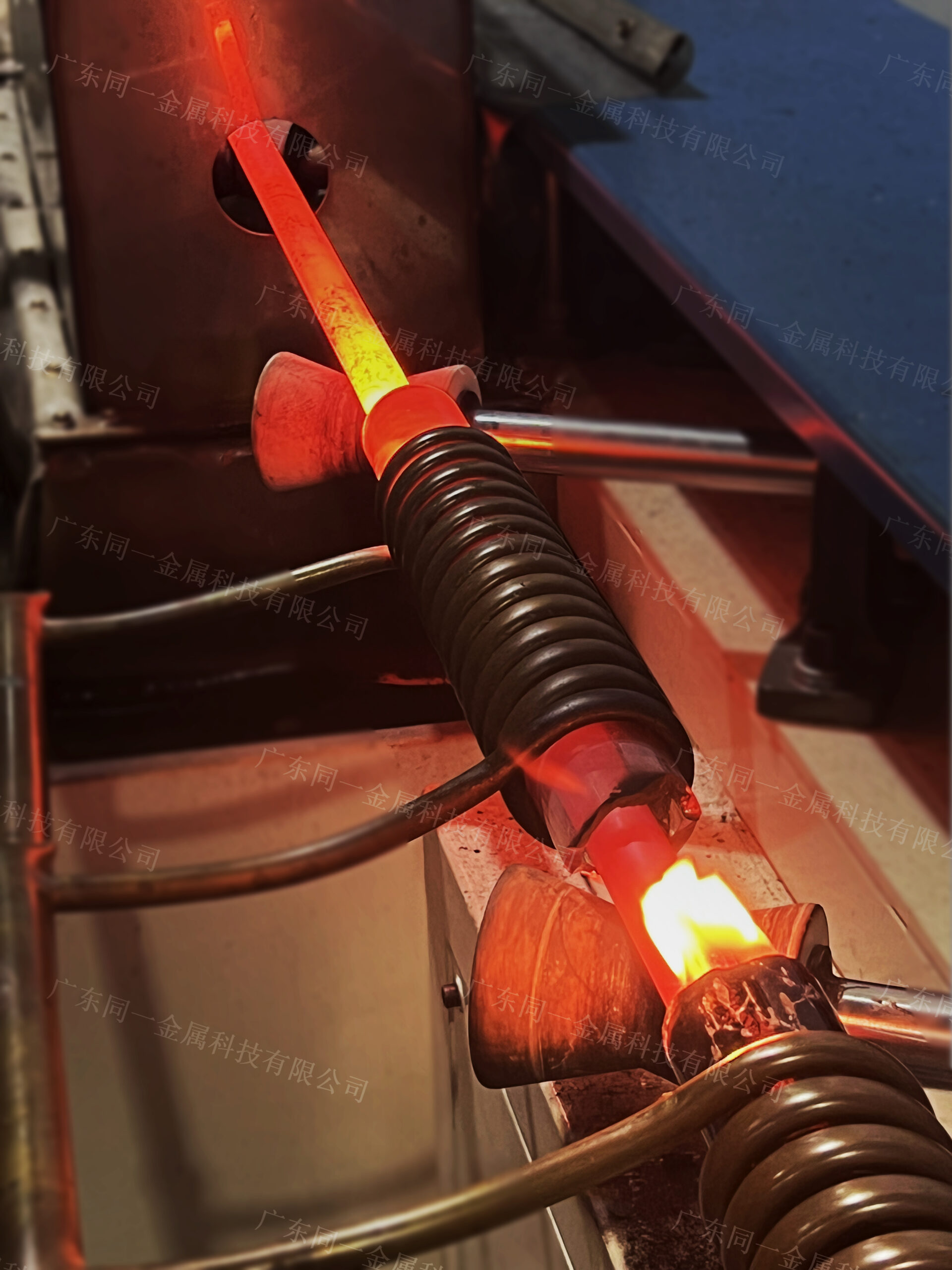
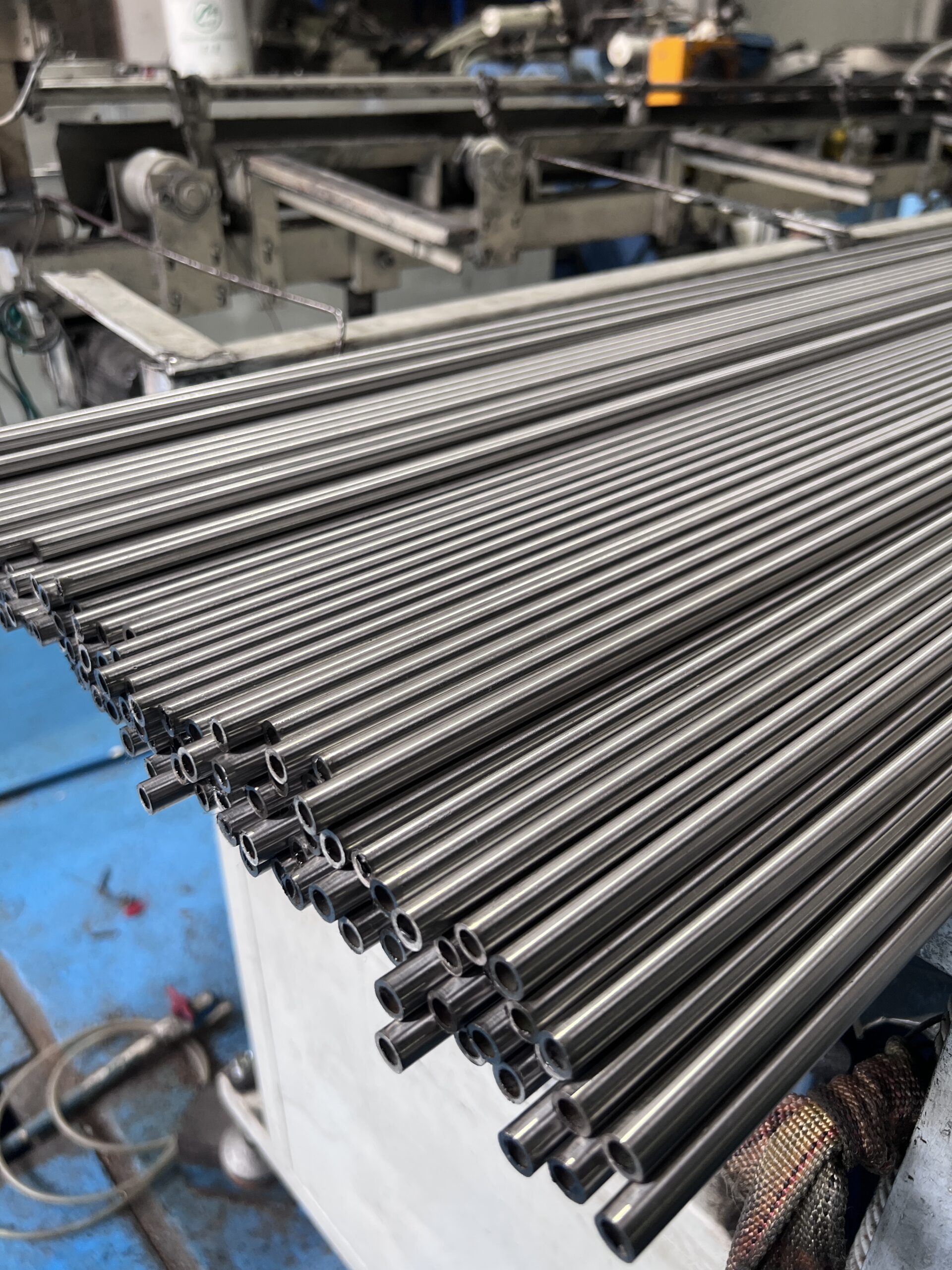
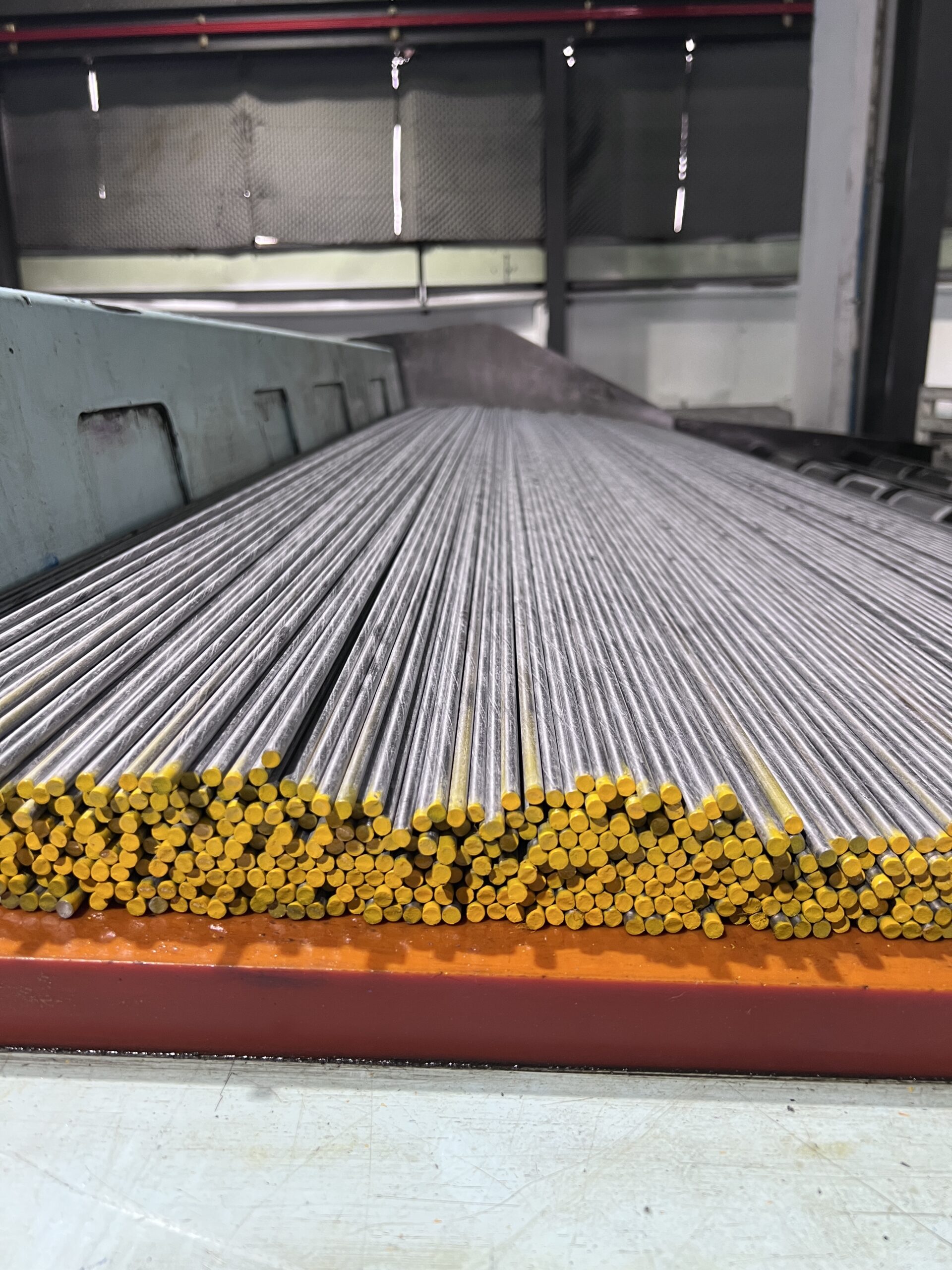
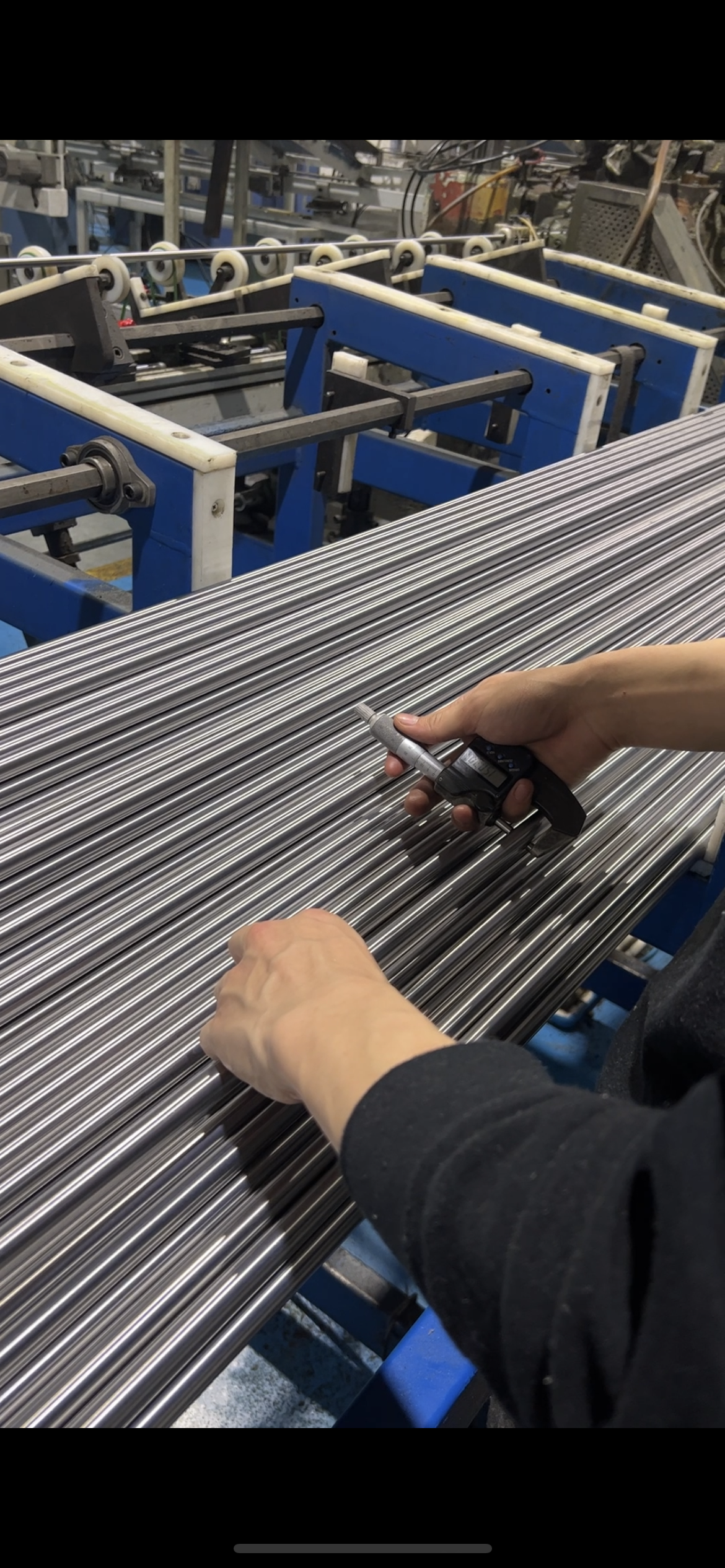
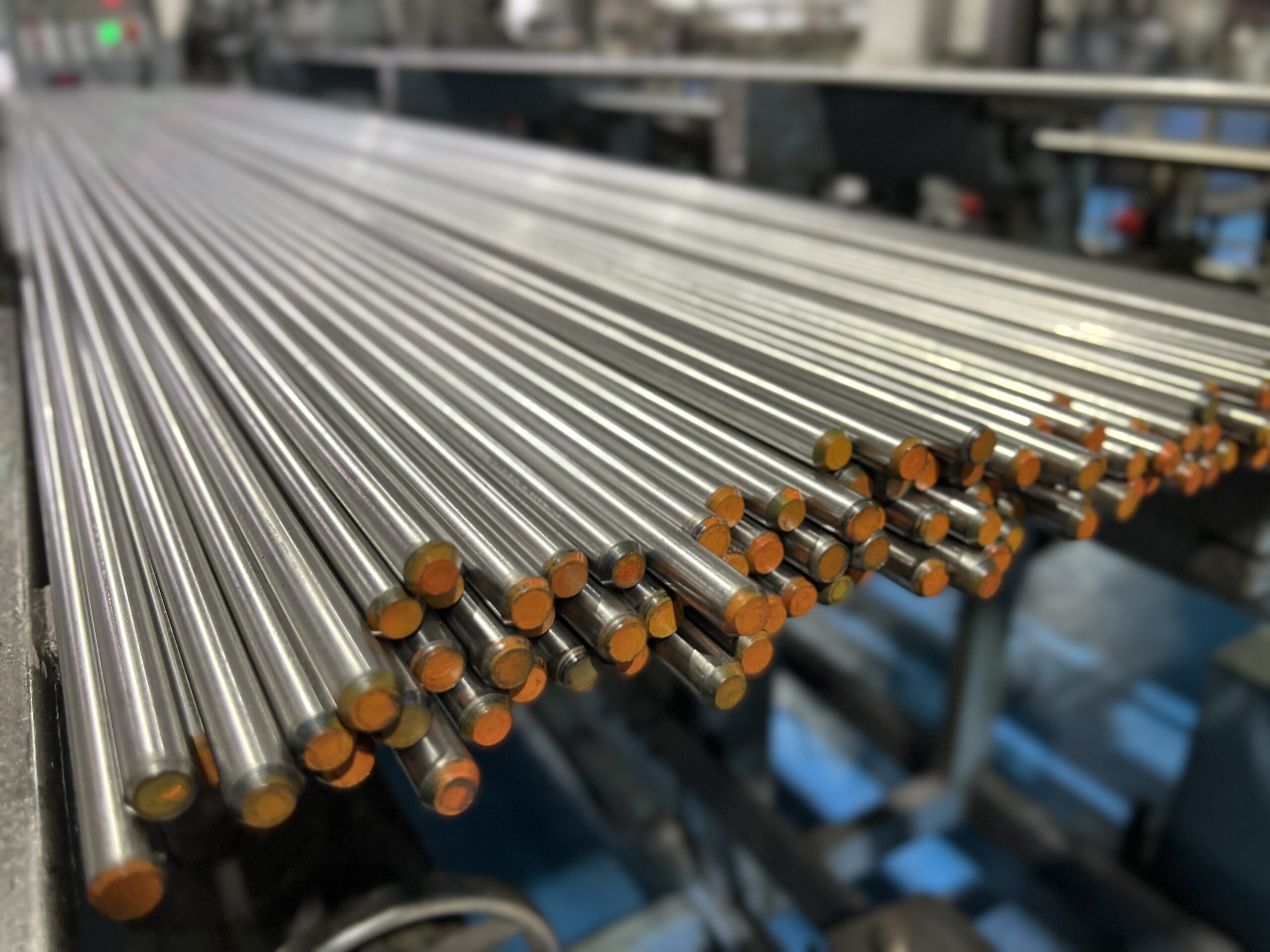
In Swiss-type machining, precision is not achieved by the machine alone. The performance of the stainless steel bar itself often determines whether machining is stable, efficient, and repeatable. Many machining issues—vibration, dimensional inconsistency, excessive scrap—can be traced back to raw material quality rather than programming or tooling.
For Swiss machining shop owners, understanding the core requirements of stainless steel bars is essential. Among all parameters, three factors play a decisive role: straightness, concentricity, and length control.
Why Straightness Matters in Swiss Machining
Swiss-type lathes rely on guide bushings to support the bar close to the cutting zone. If the bar straightness exceeds acceptable limits, the material will not pass smoothly through the guide bushing.
Excessive straightness deviation can cause uneven contact pressure between the bar and the guide bushing, leading to unstable cutting conditions. This instability may result in surface defects, inconsistent diameters, and accelerated tool wear.
In precision Swiss machining, stainless steel bars should maintain straightness within 0.08 mm over the specified length. This ensures smooth feeding, consistent support, and predictable cutting behavior throughout the machining cycle.
Concentricity and Its Impact on Dimensional Accuracy
Concentricity is often overlooked but plays a crucial role in Swiss machining stability. Poor concentricity means the bar’s centerline does not align with its outer diameter uniformly.
During high-speed rotation, insufficient concentricity can introduce radial runout, causing vibration and tool deflection. This directly affects dimensional accuracy, circularity, and surface finish. In severe cases, stress concentration may even lead to micro-cracks during machining.
To ensure stable machining performance, stainless steel bars used in Swiss-type lathes should achieve concentricity of at least 0.01 mm. This level of precision minimizes runout and ensures uniform material removal.
Material Length and Waste Reduction
Swiss machining often leaves a relatively long remnant at the end of each bar due to guide bushing limitations. When standard-length bars are used, this tail material can accumulate into significant waste over time.
Custom length cutting offers a practical solution. By supplying stainless steel bars tailored to machine setup and part length, manufacturers can reduce scrap rates and improve material utilization.
Length customization does not affect machining performance but directly improves cost efficiency, especially in high-volume production environments.
Combined Effect on Machining Stability
These three factors—straightness, concentricity, and length—are not independent. Together, they determine how smoothly the bar feeds, how stable the cutting process remains, and how consistent the final dimensions are.
Ignoring any one of these parameters increases the risk of vibration, dimensional drift, or excessive tool wear. For precision-driven Swiss machining, material control is as important as machine capability.
Typical Requirements for Swiss Machining Stainless Steel Bars
| Parameter | Recommended Value | Impact on Machining |
|---|---|---|
| Straightness | ≤ 0.08 mm | Stable feeding, reduced vibration |
| Concentricity | ≤ 0.01 mm | Dimensional accuracy, surface finish |
| Length Tolerance | Customized | Reduced tail waste, cost efficiency |
Material Selection as a Production Strategy
In Swiss machining, raw material is not just an input—it is a production strategy. High-quality stainless steel bars with controlled geometry reduce machine downtime, stabilize quality, and improve yield.
Rather than compensating for material defects through process adjustments, selecting the right bar specifications from the start leads to more predictable and efficient manufacturing.
For Swiss-type machining, precision begins before the first cut. Straightness within 0.08 mm, concentricity at 0.01 mm, and optimized bar length form the foundation of stable and efficient production.
Understanding and controlling these parameters allows machining shops to reduce scrap, improve consistency, and fully unlock the capabilities of Swiss-type lathes.