For CNC machining shops working with stainless steel, part deformation is one of the most frustrating and costly problems. Warping, bending, or dimensional drift after machining often leads to assembly failure, scrap, or repeated rework.
Deformation is especially destructive when multiple precision parts are assembled together. Even a small deviation in one component can be magnified in the final assembly, causing vibration, poor fit, or early failure. This is why deformation control is a core challenge in CNC machining.
To reduce deformation effectively, it is necessary to understand why it happens first, and then apply targeted solutions at the material, process, and machining stages.
Why Stainless Steel Parts Deform During CNC Machining
Stainless steel is not an easy-to-machine material. Compared with carbon steel or aluminum, it has higher toughness, stronger work hardening tendencies, and more complex residual stress behavior.
The most common causes of deformation include internal residual stress in the raw material, improper machining strategy, and uneven cutting force distribution during processing.
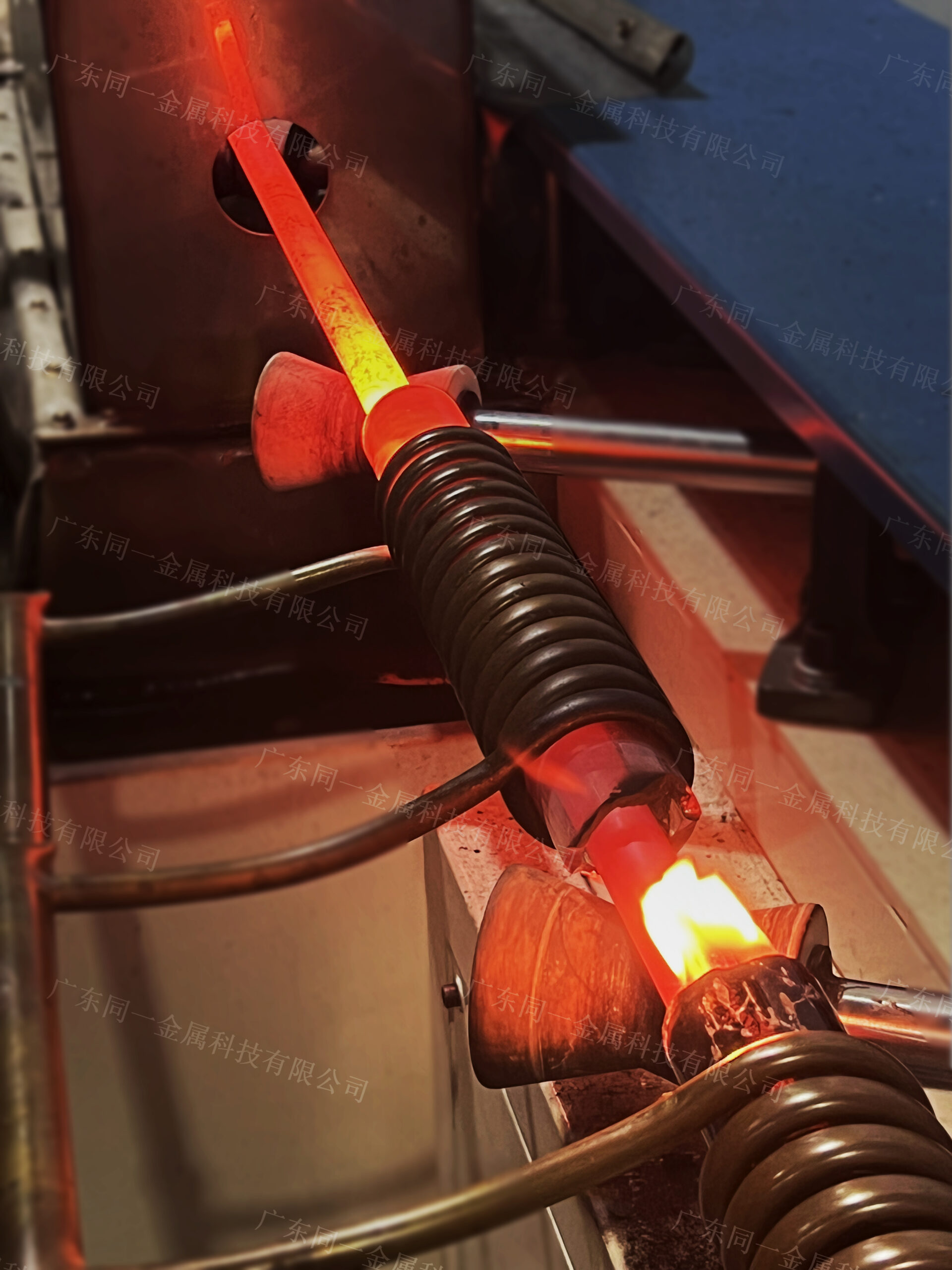
Residual stress is often introduced during steelmaking, rolling, straightening, and heat treatment. If this stress is not properly released before CNC machining, it will redistribute as material is removed, leading to part distortion.
Another major factor is cutting heat. Stainless steel has relatively low thermal conductivity, meaning heat accumulates easily in the cutting zone. This causes localized expansion and contraction, increasing deformation risk.
The Role of Raw Material Stability
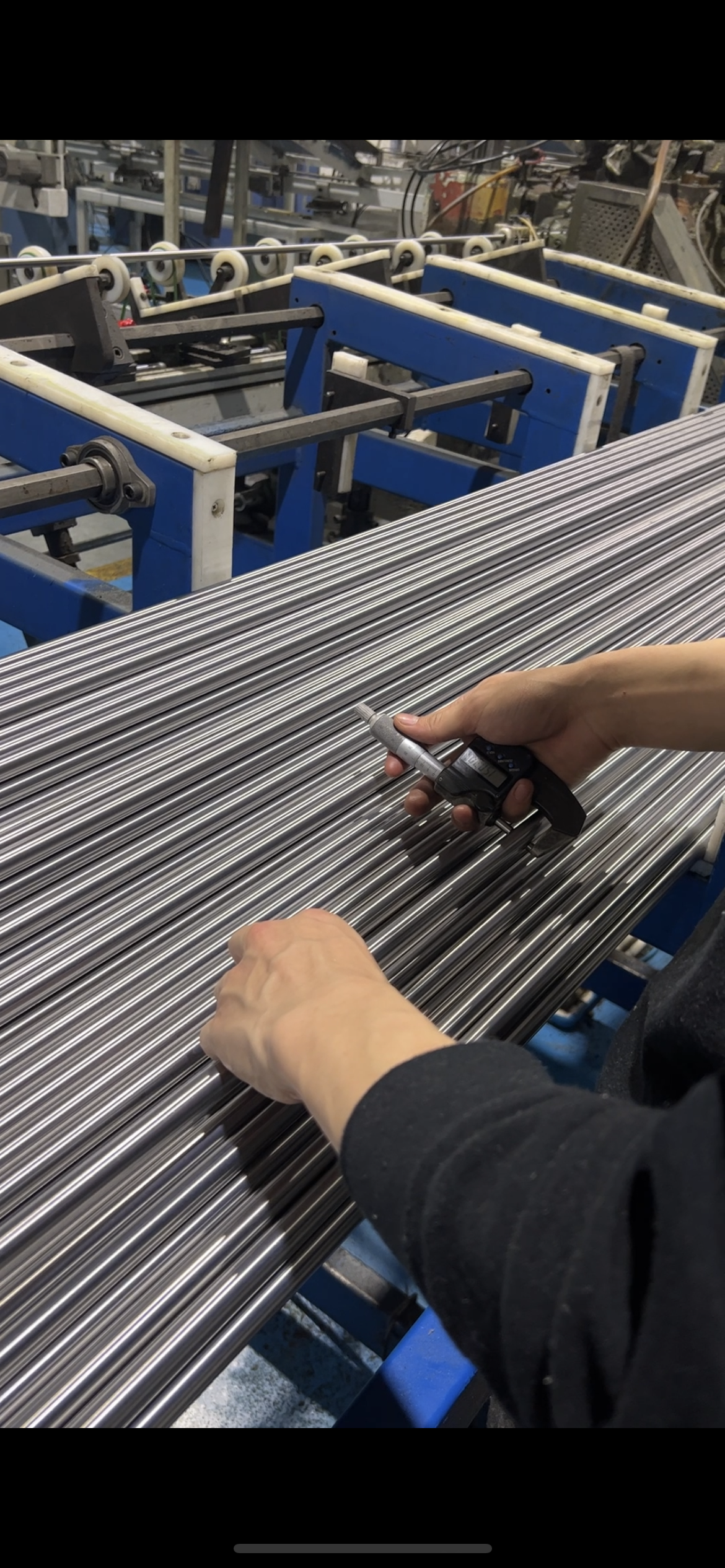
Many deformation problems are blamed on machining, but the root cause often lies in the raw material. Stainless steel bars with poor straightness, uneven internal structure, or uncontrolled residual stress are far more likely to deform after machining.
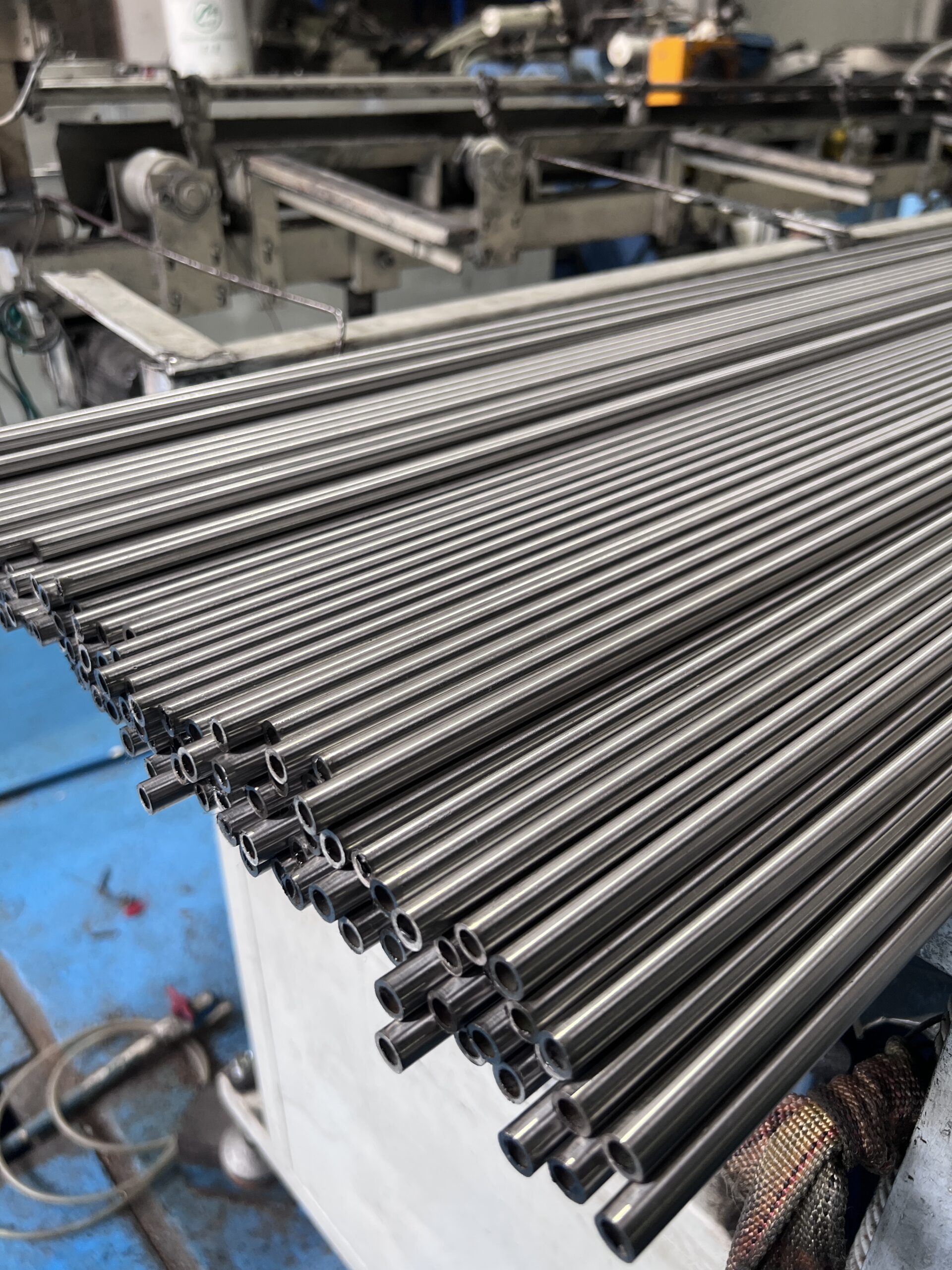
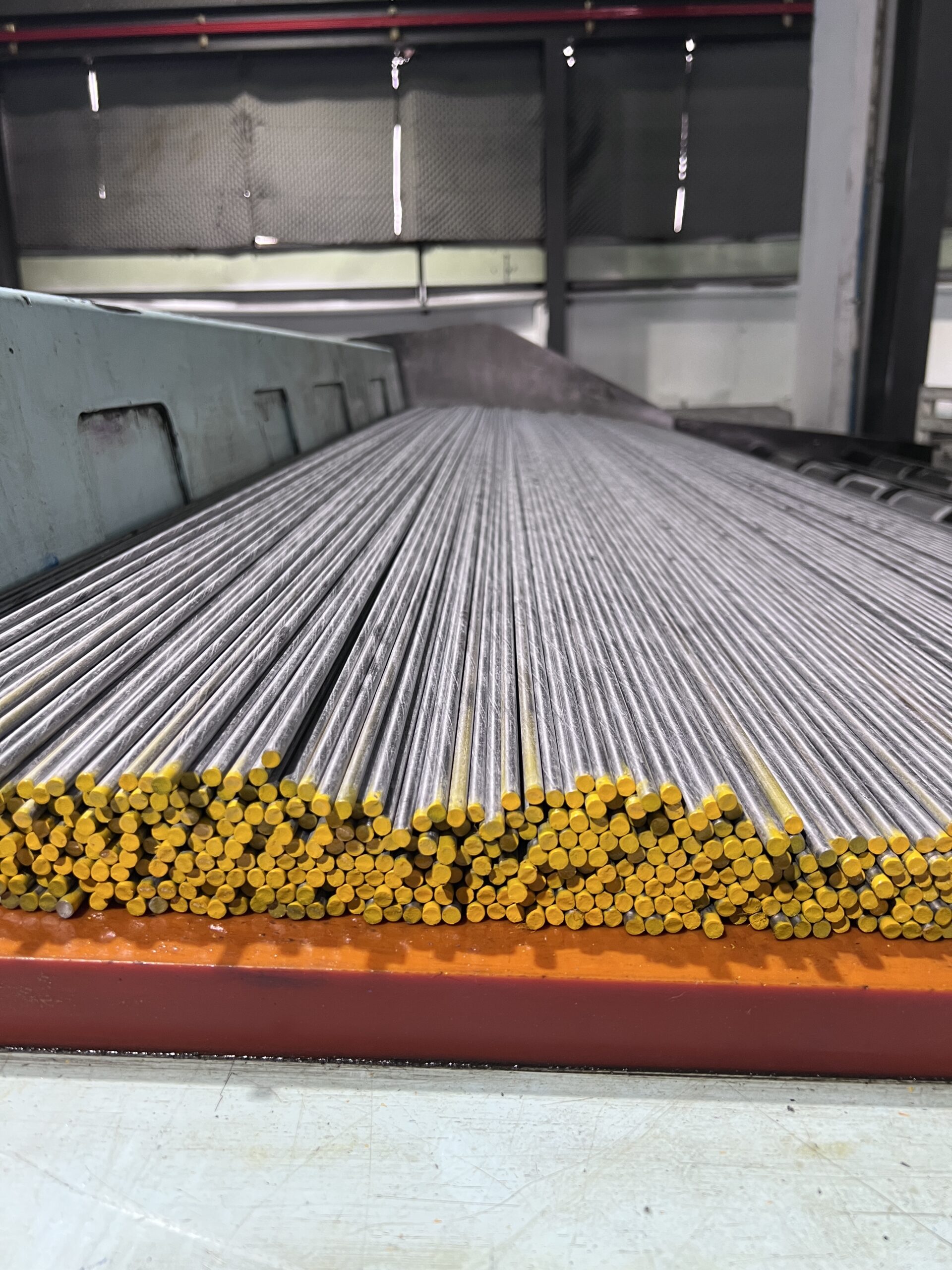
For CNC machining, especially for thin-walled or high-precision parts, raw material consistency is critical. Bars with stable straightness, uniform hardness, and controlled internal stress significantly reduce deformation probability.
Stress-relieved or properly heat-treated stainless steel bars are far more suitable for precision machining than untreated material.
Three Effective Methods to Reduce CNC Machining Deformation
The first method is selecting the right material condition. Choosing stainless steel bars that have undergone proper heat treatment or stress relief is essential. Uniform hardness and stable microstructure help ensure that stress redistribution during machining is minimized.
The second method is optimizing machining strategy. Rough machining and finishing should be separated. Removing material symmetrically and avoiding excessive one-sided cutting can help balance internal stress release. Reducing cutting depth in finishing stages also plays a key role.
The third method is improving fixturing and clamping. Excessive clamping force can introduce new stress into the part. Using soft jaws, multi-point support, and reasonable clamping pressure helps prevent deformation during and after machining.
Comparison of Deformation Control Factors
| Factor | Poor Control Result | Optimized Control Result |
|---|---|---|
| Raw Material Stress | Warping after machining | Stable dimensions |
| Material Straightness | Assembly mismatch | High assembly accuracy |
| Cutting Strategy | Uneven stress release | Balanced stress distribution |
| Clamping Method | Elastic deformation | Shape stability |
| Heat Accumulation | Local distortion | Reduced thermal impact |
Why Deformation Becomes More Severe in Assemblies
Single parts with minor deformation may still pass inspection, but when multiple CNC parts are assembled together, accumulated tolerance errors become obvious. This is especially true in stainless steel assemblies where stiffness and alignment are critical.
Once deformation exceeds compensation limits, no amount of adjustment can fix the problem without re-machining. This is why deformation prevention must be addressed at the earliest stage, starting from material selection.
Material Selection Matters More Than You Think
For CNC machining shops, selecting stainless steel bars specifically designed for machining is a long-term cost-saving strategy. Stable materials reduce scrap rates, shorten cycle times, and improve overall production consistency.
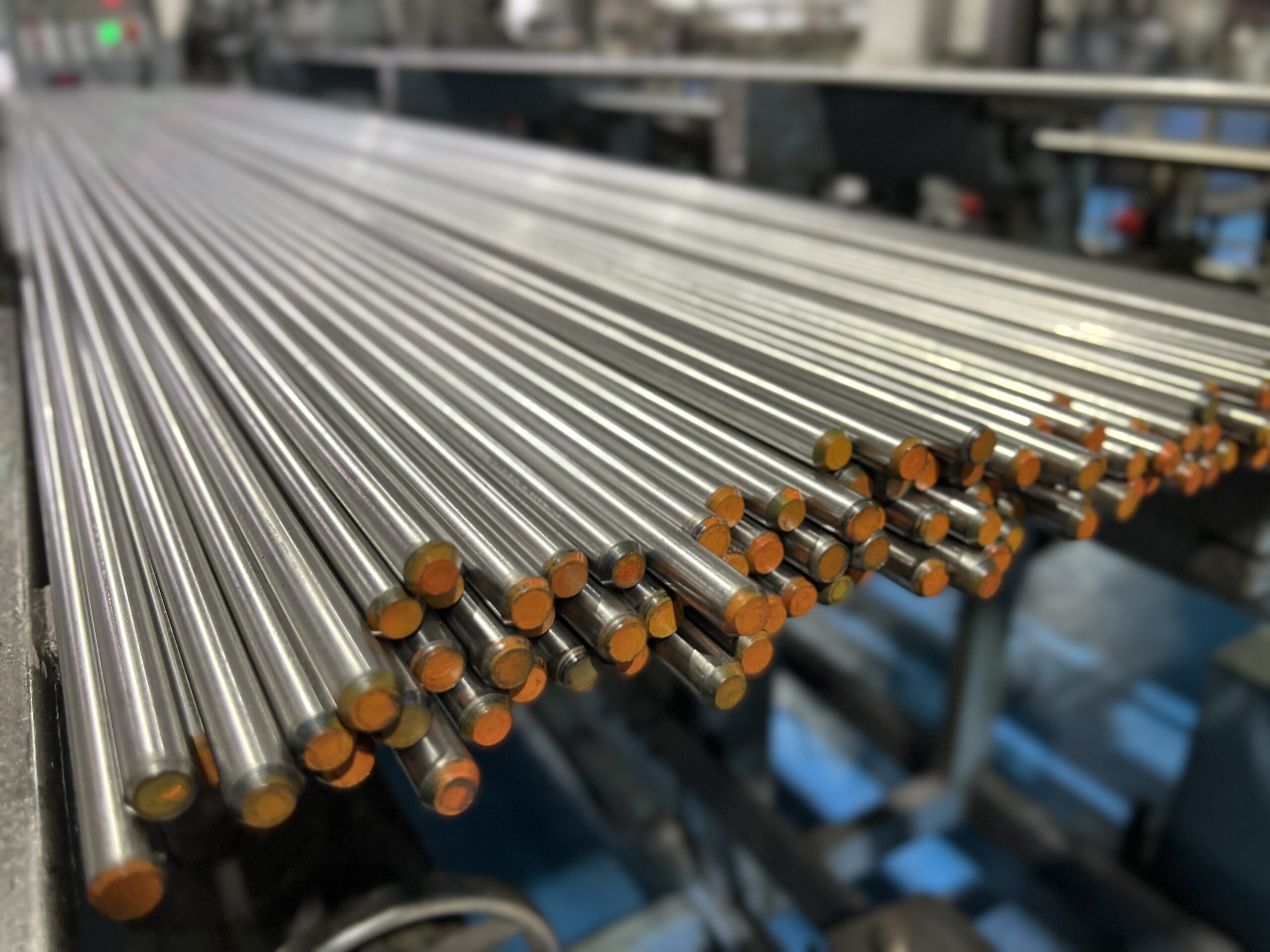
At Tongyi Metal, stainless steel bars for CNC machining are produced with controlled straightness, uniform hardness, and optional stress-relief treatment to support deformation-sensitive applications.
CNC machining deformation in stainless steel is not caused by a single factor. It is the result of material stress, machining strategy, and process control interacting together.
By choosing stable raw materials, optimizing cutting paths, and applying proper fixturing methods, deformation can be significantly reduced. For CNC machining, solving deformation is not about fixing mistakes later, but about preventing problems before machining even begins.