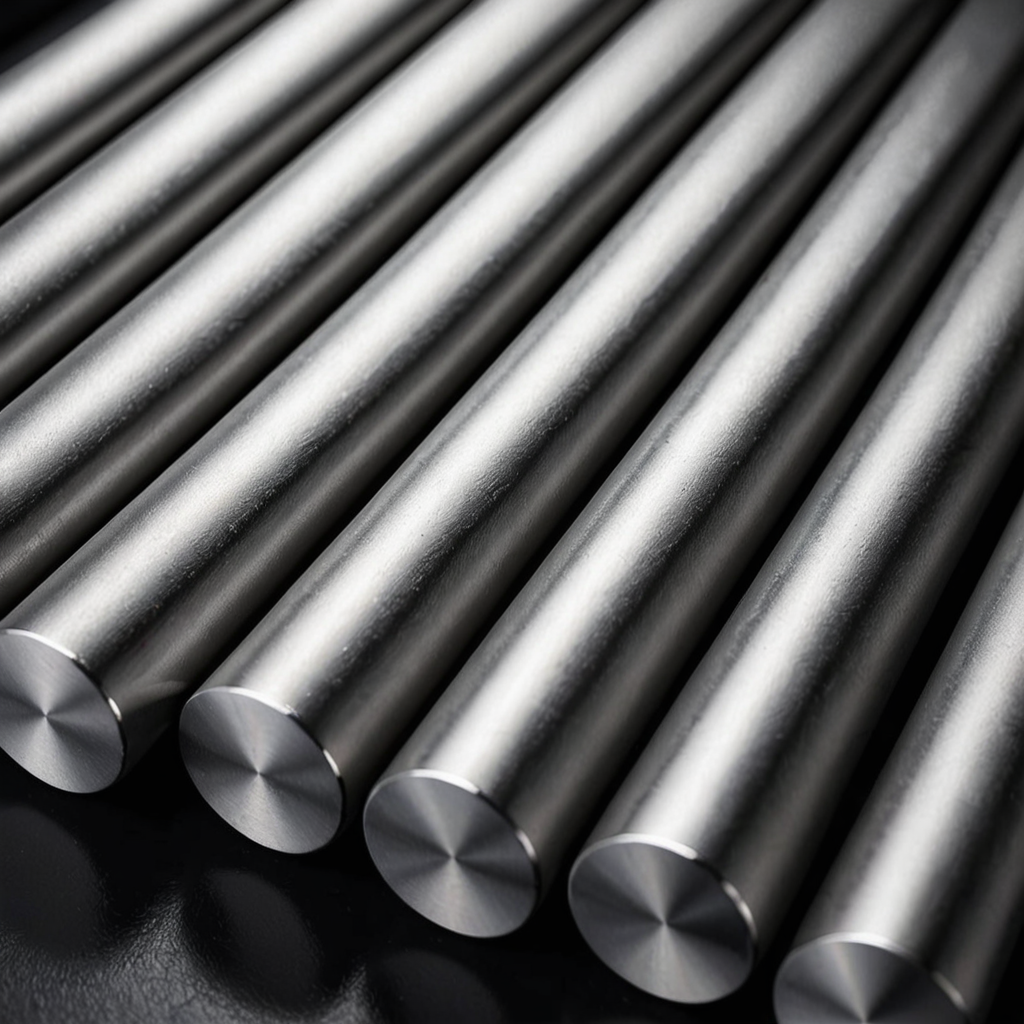
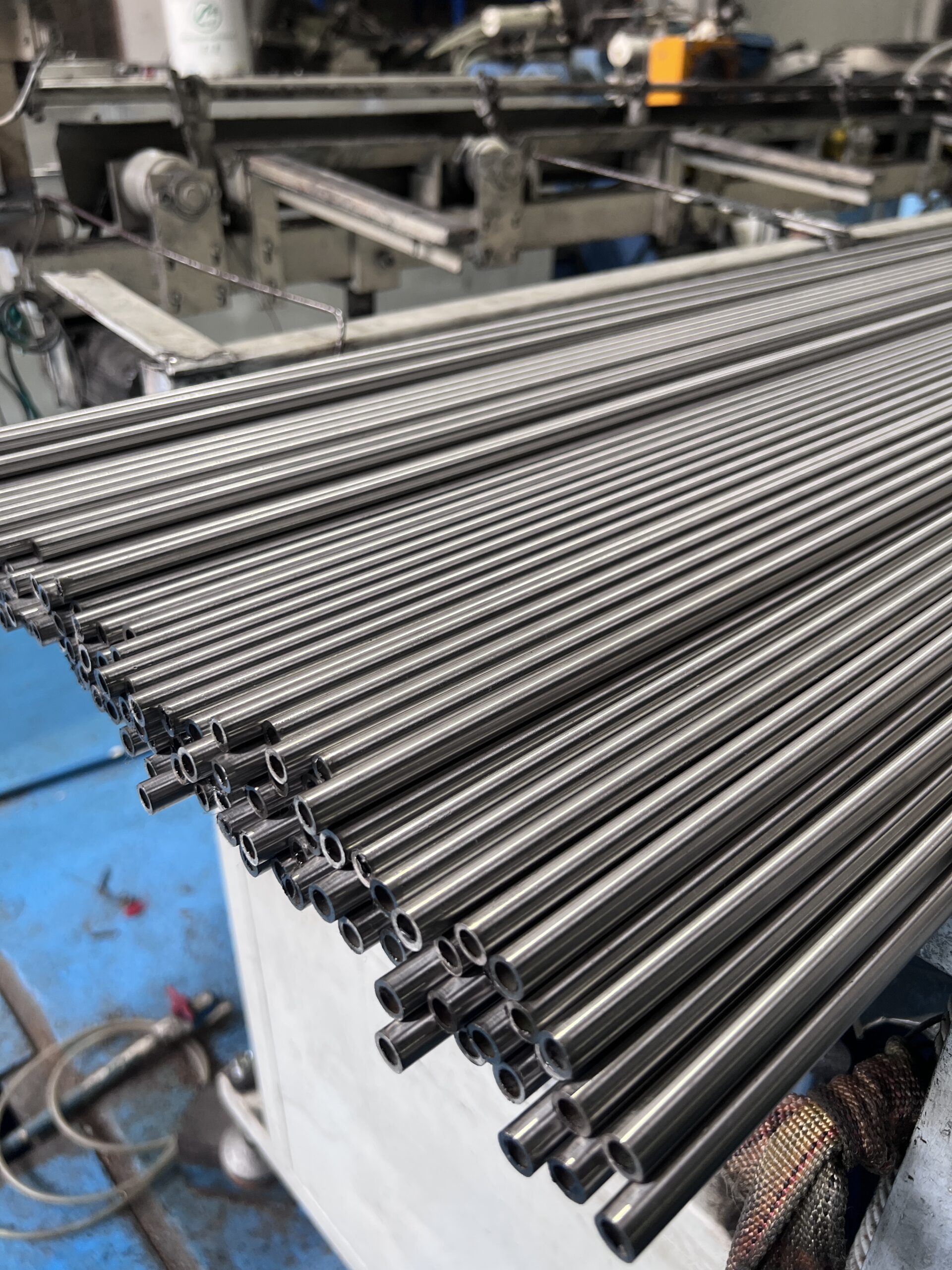
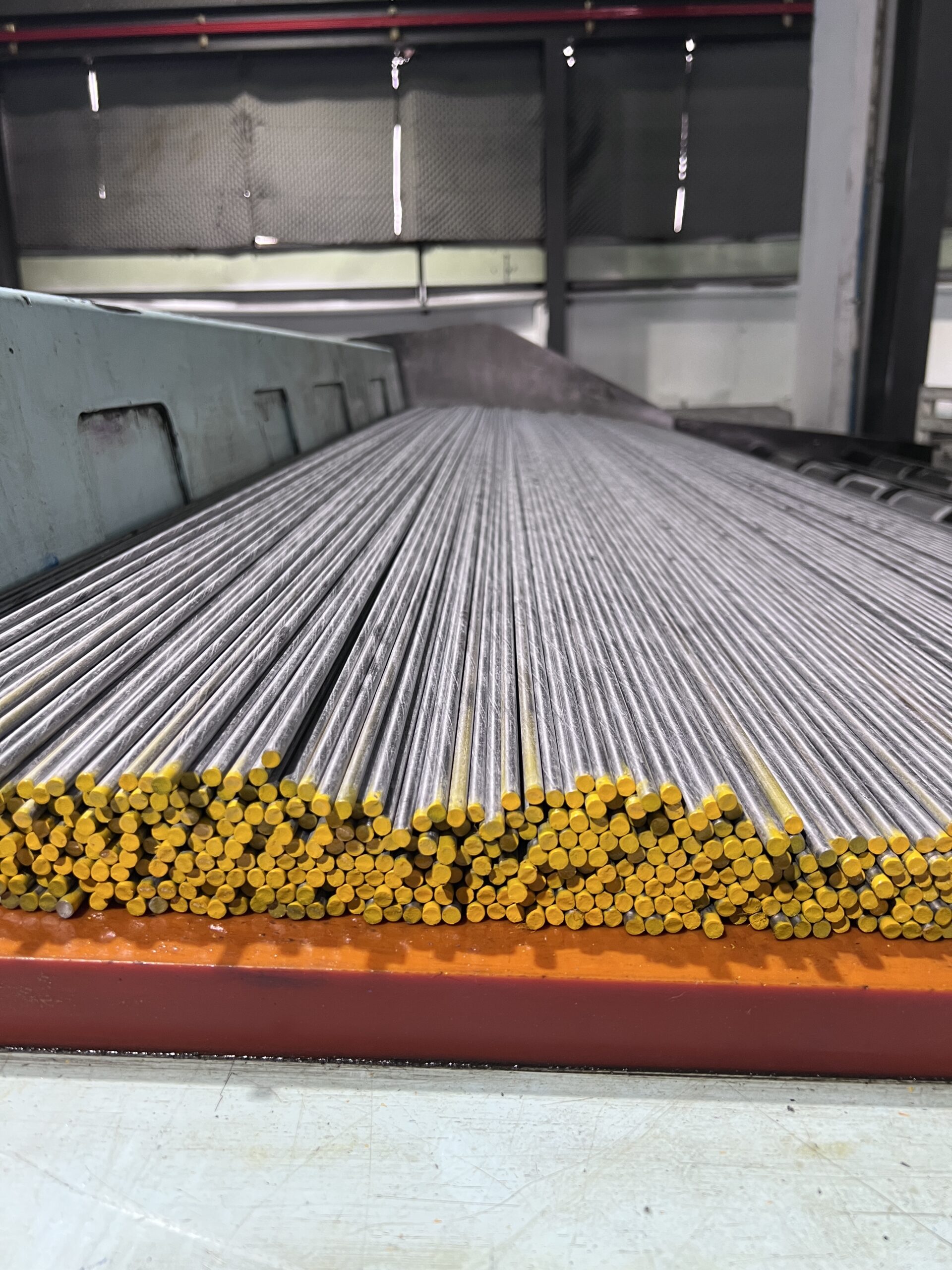
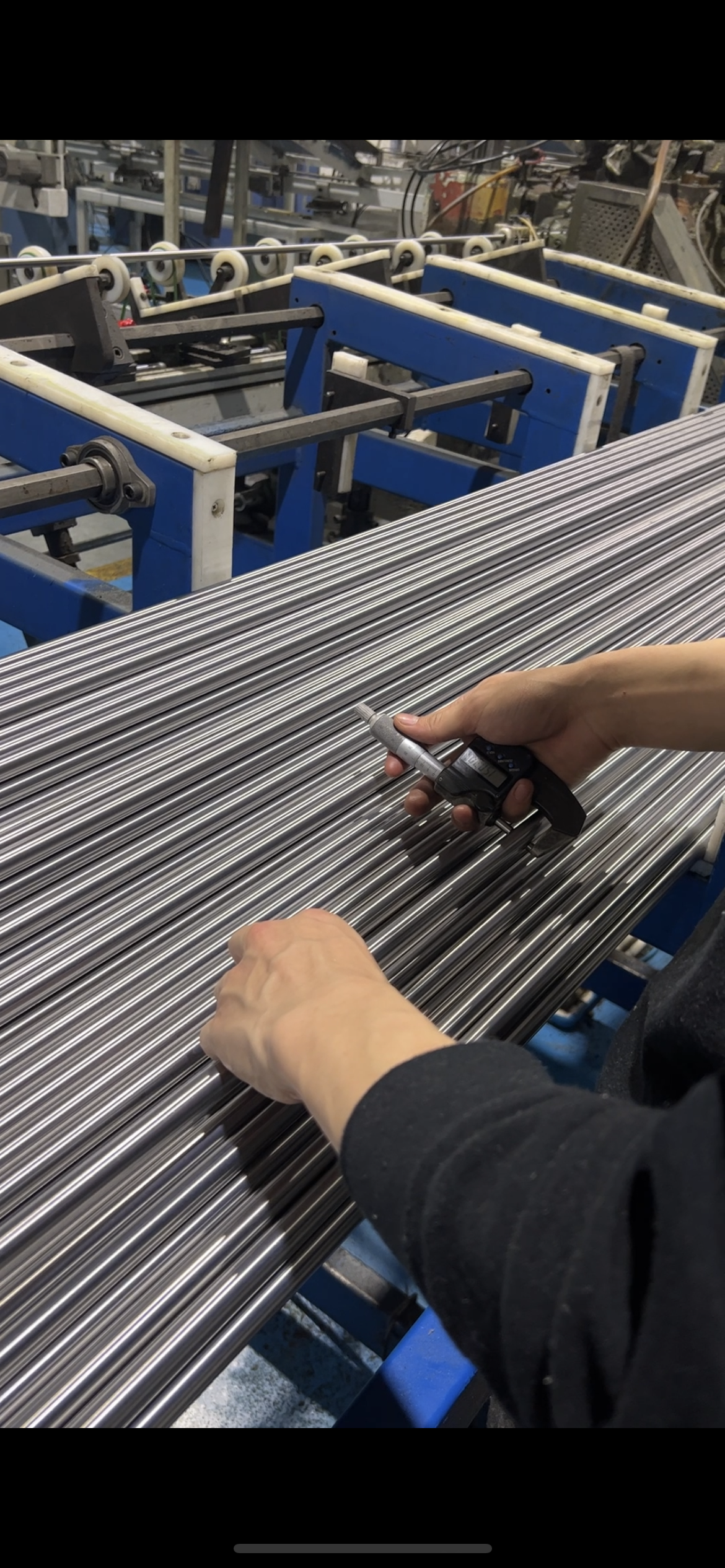
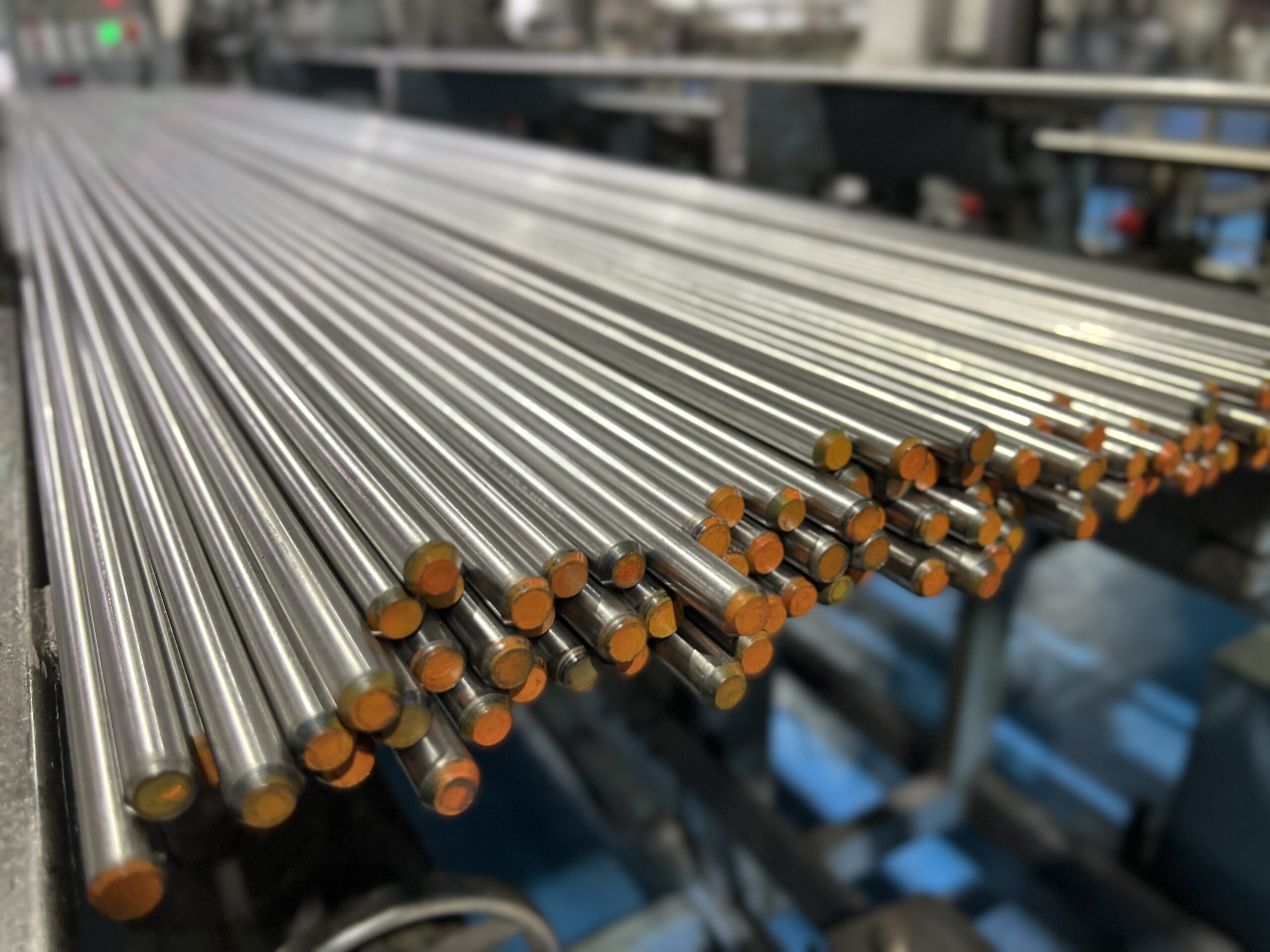
In CNC machining, productivity and product quality are closely tied to the stability and precision of raw materials. For stainless steel parts, especially small shafts, precision pins, and high-tolerance components, the choice of stainless steel bar has a direct impact on machining efficiency, tool life, and final dimensional accuracy.
Many machining problems such as material jamming, tool overheating, unstable dimensions, or excessive secondary processing can often be traced back to insufficient bar precision rather than machine capability.
Why High-Precision Stainless Steel Bars Matter in CNC Machining
CNC machines rely on consistent material geometry to operate smoothly. When stainless steel bars have poor straightness or unstable diameter tolerance, the machine must constantly compensate, increasing cutting load and vibration.
High-precision stainless steel bars with tight diameter control and excellent straightness reduce friction inside guide bushings, collets, and spindles. This directly improves machining stability and lowers the risk of tool damage or chuck failure.
In addition, consistent surface quality reduces cutting resistance and improves chip evacuation, which is especially important for automatic lathes and Swiss-type machines.
Key Precision Indicators That Affect Machining
Three technical indicators define whether a stainless steel bar is suitable for precision CNC machining: straightness, diameter tolerance, and surface roughness.
Straightness determines whether the bar can feed smoothly without deflection. For high-end machining, straightness within ≤0.01 mm over 500 mm length significantly reduces vibration and tool wear.
Diameter tolerance affects dimensional consistency. Bars with tolerance controlled within 4 microns allow direct machining without compensating tool offsets repeatedly, improving efficiency and repeatability.
Surface roughness influences cutting performance. A surface finish of Ra ≤0.4 reduces friction and eliminates the need for secondary polishing before machining.
Precision vs. Conventional Stainless Steel Bars
| Parameter | Conventional Bars | High-Precision Bars |
|---|---|---|
| Straightness (500 mm) | ≥0.05 mm | ≤0.01 mm |
| Diameter Tolerance | ±0.02 mm | ≤4 μm |
| Surface Roughness | Ra 0.8–1.6 | Ra ≤0.4 |
| Feeding Stability | Inconsistent | Smooth and stable |
| Secondary Processing | Often required | Usually unnecessary |
| Tool Wear Rate | Higher | Lower |
Impact on Production Efficiency and Cost
Using high-precision stainless steel bars does not only improve quality but also reduces overall production cost. When bars are straight and dimensionally consistent, machines can run at higher speeds with fewer interruptions.
Reduced tool wear means fewer tool changes and less downtime. Stable feeding prevents material jamming, which protects collets and spindles from heat damage.
Another important factor is surface quality. A bright, finely finished bar surface eliminates the need for additional surface processing after purchase, saving both labor and equipment costs.
Importance of Raw Material Source and Equipment
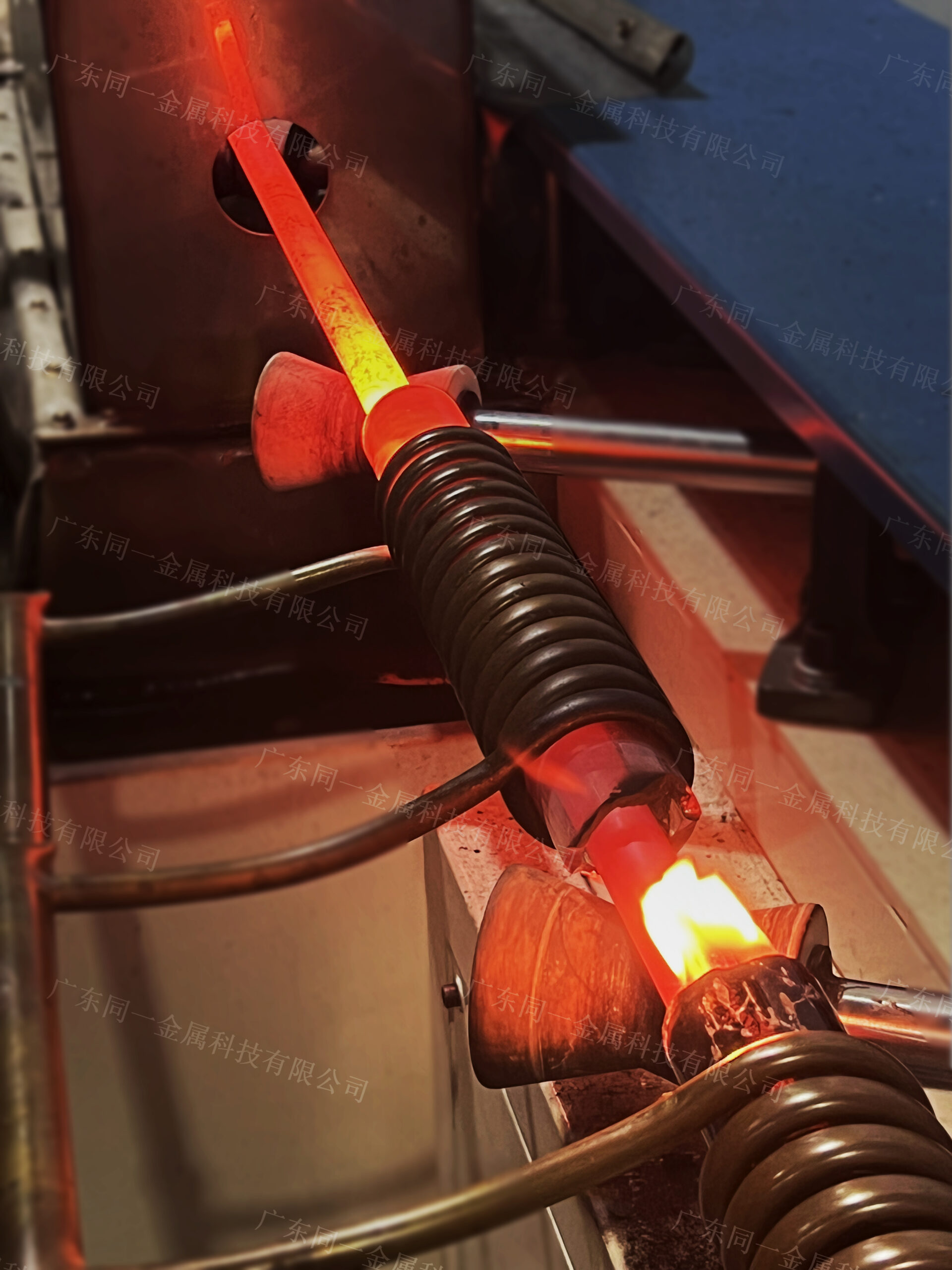
Precision does not come from machining alone. It starts with high-quality raw materials and advanced production equipment.
Stainless steel bars produced from certified domestic and international steel mills ensure chemical composition consistency. Advanced imported grinding and straightening equipment enables precise control of straightness, diameter, and surface finish.
When these factors are combined, the resulting stainless steel bar becomes a reliable foundation for precision CNC machining rather than a source of hidden risk.
Why Machining Stability Is Critical for Automation
Automatic lathes and Swiss-type machines operate continuously and are highly sensitive to material variation. Even minor deviations in straightness or diameter can cause feeding resistance, chip congestion, or thermal buildup.
High-precision stainless steel bars ensure smooth operation throughout long production runs, supporting unattended machining and improving yield rates.
A Practical Perspective on Material Selection
For machining workshops focused on efficiency and quality, choosing the right stainless steel bar is not an expense but an investment. Stable materials reduce scrap, rework, and machine maintenance costs.
Tongyi Metal specializes in stainless steel bars designed for CNC machining, with controlled straightness, ultra-tight diameter tolerance, and high-quality surface finish to support demanding production environments.
High-precision stainless steel bars play a decisive role in CNC machining performance. By improving feeding stability, reducing tool wear, and eliminating unnecessary secondary processing, they help manufacturers achieve higher efficiency, better quality, and lower overall costs.
For CNC machining, material precision is not a luxury—it is a fundamental requirement for stable and scalable production.