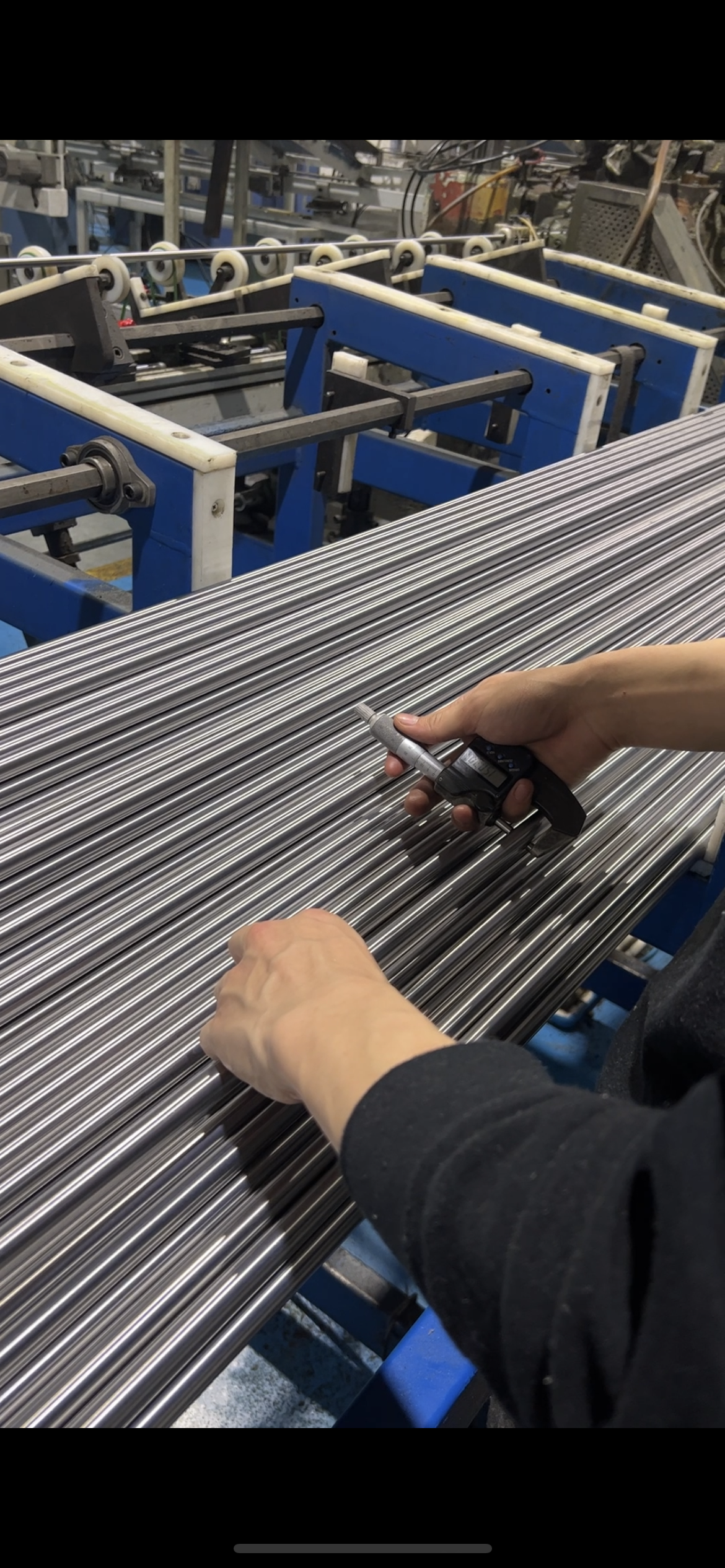
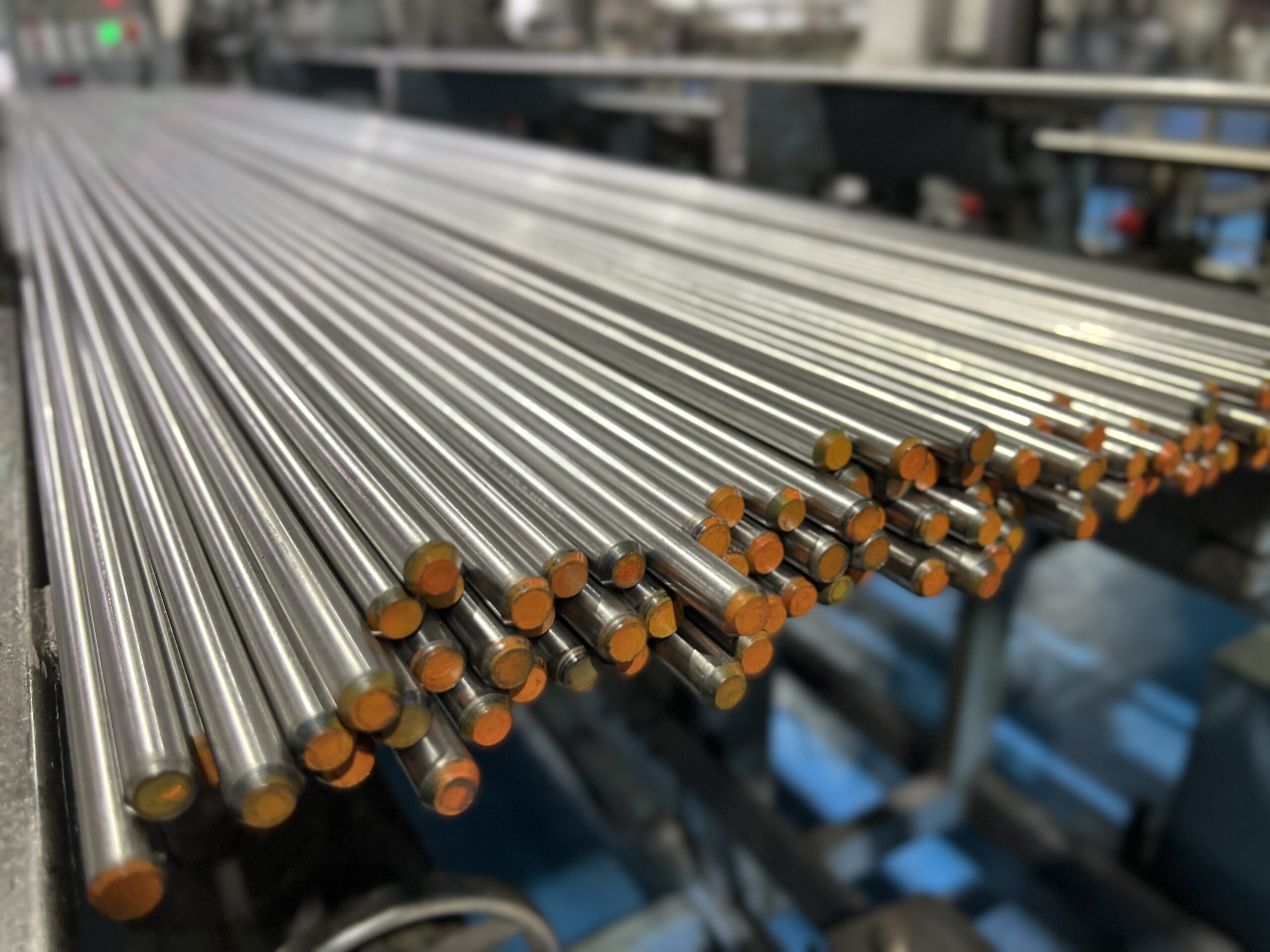
What is the Difference Between 2205 and 2507 Duplex Stainless Steels?
Many friends in the industrial, chemical, or marine engineering fields often struggle to choose between 2205 and 2507 duplex stainless steels. They only differ by a few numbers in name, but the actual gap is quite large. Today, I’ll break down their core differences in simple terms—no jargon, so you’ll know exactly which one to pick after reading.
1. Fundamental Difference: Chemical Composition
Many friends engaged in industry, chemical engineering or marine engineering will be confused about how to choose between 2205 and 2507 duplex stainless steels. They only differ by a few numbers in name, but the actual difference is quite significant. Today, I will explain the core differences between the two in plain language, without using complex terminology, so you will know how to choose after reading.
First, the most fundamental difference lies in their chemical composition—that’s the root cause of all other differences. Put simply, 2507 is the “enhanced version” of 2205, with fully upgraded alloy content. 2205 contains about 22% chromium and 3% molybdenum, while 2507 boasts 25% chromium, 4% molybdenum, and significantly more nitrogen. Don’t underestimate these small percentage increases—they make a huge difference in corrosion resistance and strength, like adding a “protection boost” and “strength boost” to the material.
2. Key Gap: Corrosion Resistance
Second is corrosion resistance—the key gap between the two. 2205 is a standard duplex stainless steel, and its corrosion resistance is more than enough for most cases: think ordinary chemical pipelines, seawater desalination equipment, and daily acid-base environments. It’s cost-effective and gets the job done. But in harsher conditions—like high-concentration chloride ions, deep-sea settings, or flue gas desulfurization—2205 starts to struggle. As a super duplex stainless steel, 2507’s resistance to pitting and stress corrosion cracking is doubled. It holds up well even after long-term immersion in seawater, making it ideal for extreme, corrosion-prone workplaces.
3. Mechanical Performance Comparison
Next is mechanical performance, where the strength gap is also clear. 2205 has a tensile strength of around 620MPa or higher and a yield strength of about 450MPa—more than enough for daily structural parts and pipelines. 2507, however, hits over 800MPa in tensile strength and over 550MPa in yield strength, much higher than 2205. It also handles higher temperatures, with a long-term service temperature of up to 700℃, perfect for equipment that needs both high strength and heat resistance.
4. Applications and Price
Finally, let’s talk about application scenarios and price—two crucial factors for real-world selection. 2205 is the most widely used because of its high cost-effectiveness. It’s perfect for chemical storage tanks, water treatment equipment, and pipelines on ordinary offshore platforms—choose it, and you’ll save a lot on costs. 2507, though, is more expensive (about 1.5 to 2 times the price of 2205) thanks to its superior performance. It’s mainly used in extreme scenarios: deep-sea oil and gas extraction, garbage incinerators, and high-concentration salt chemical plants. While the initial investment is higher, it’s low-maintenance and less likely to fail.
Summary of Choices
To sum up, the difference is simple: 2205 is a “practical choice”—cost-effective and able to meet most conventional corrosion and strength needs. 2507 is a “top-tier choice”—full performance, built to handle extreme conditions, but pricier. When choosing, don’t blindly go for the high-end option. Pick based on your work conditions and budget—the most suitable one is always the best.