
Incoloy 800 vs 800H: Key Differences Explained
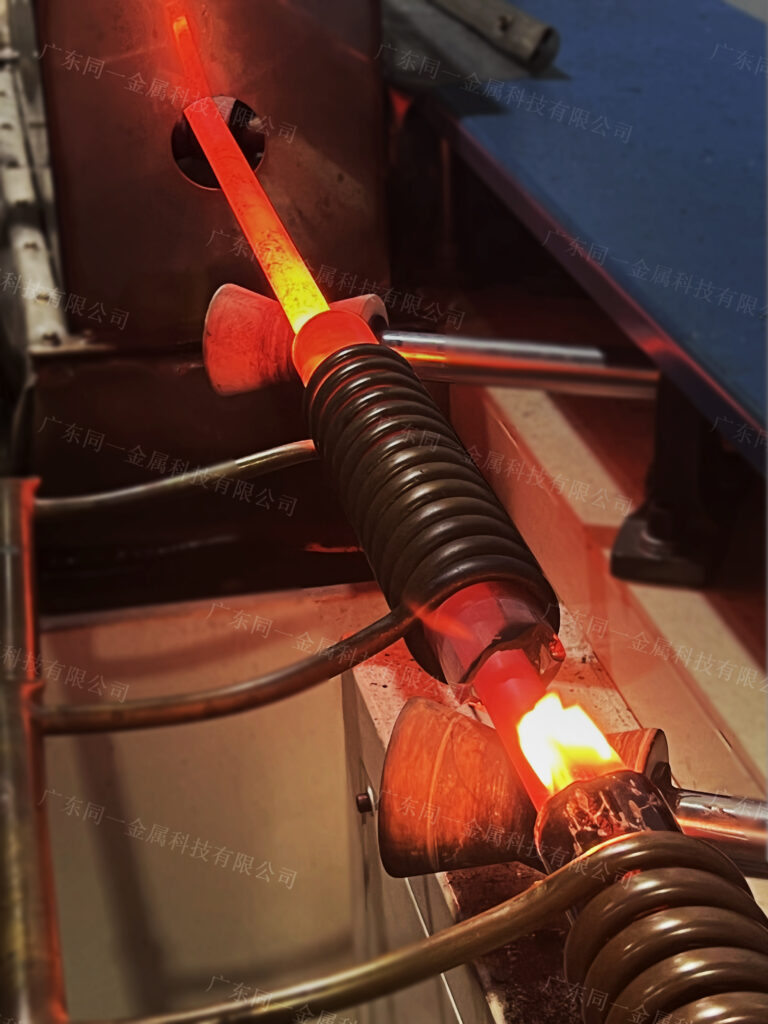
Incoloy 800 vs 800H: Key Differences Explained Incoloy 800 vs 800H is a common comparison when selecting materials for high-temperature environments. Both alloys belong to the iron–nickel–chromium family and offer excellent resistance to oxidation and corrosion, but they differ in composition and performance under long-term heat exposure. Choosing the right material can significantly impact equipment […]
High Precision Stainless Steel Bars for CNC Machining
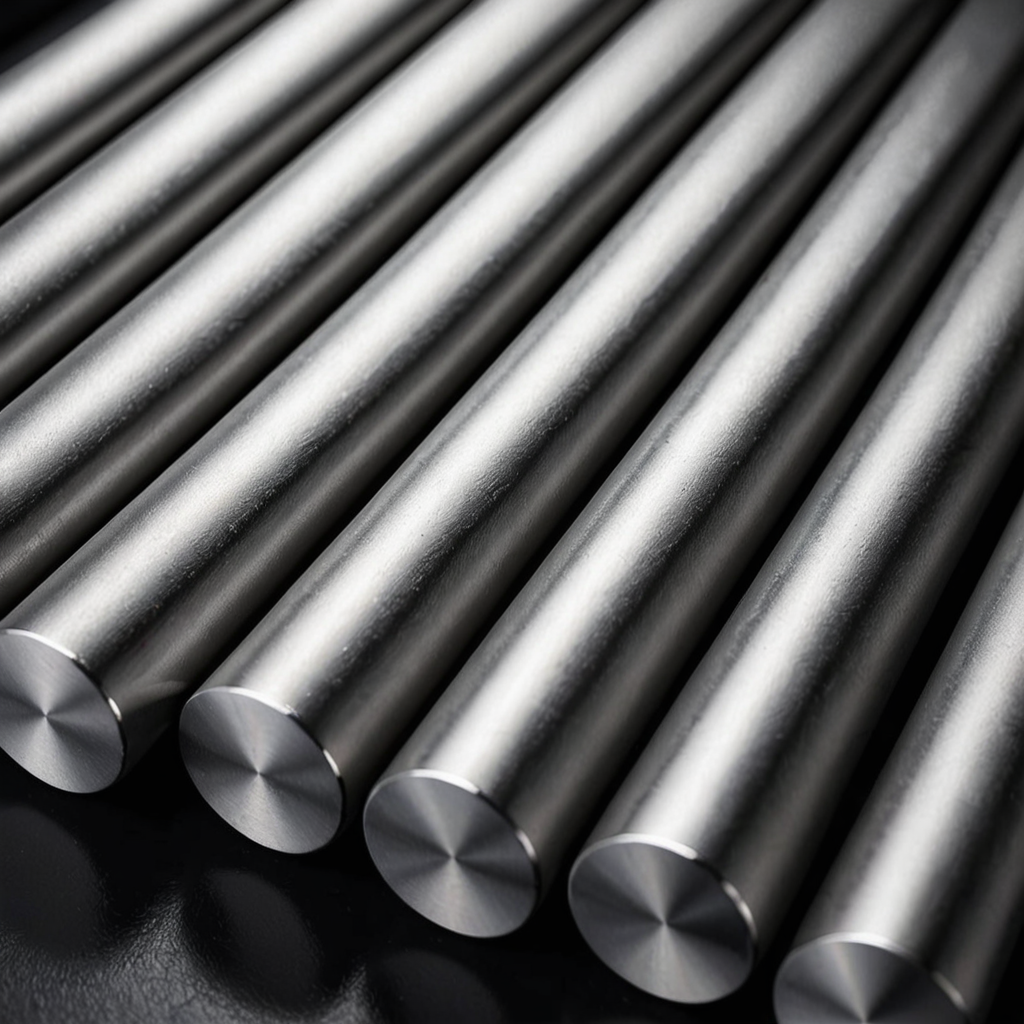
In CNC machining, productivity and product quality are closely tied to the stability and precision of raw materials. For stainless steel parts, especially small shafts, precision pins, and high-tolerance components, the choice of stainless steel bar has a direct impact on machining efficiency, tool life, and final dimensional accuracy. Many machining problems such as material […]
How to Reduce Deformation in Stainless Steel CNC Machining
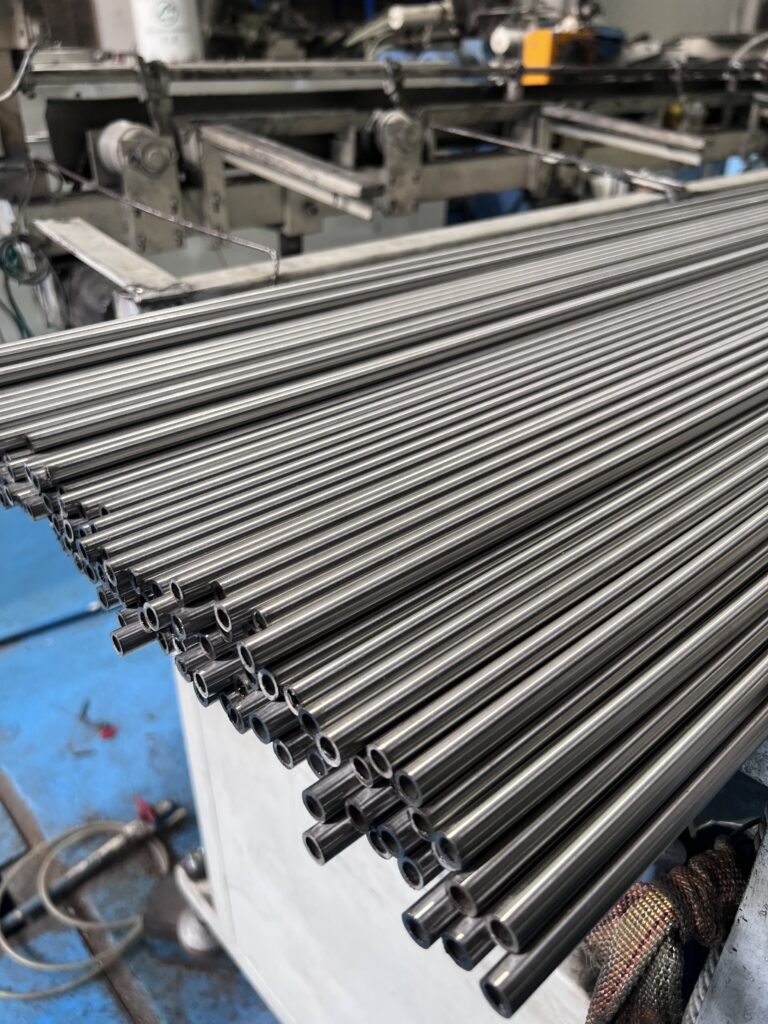
For CNC machining shops working with stainless steel, part deformation is one of the most frustrating and costly problems. Warping, bending, or dimensional drift after machining often leads to assembly failure, scrap, or repeated rework. Deformation is especially destructive when multiple precision parts are assembled together. Even a small deviation in one component can be […]
Why Are Some Stainless Steel Bars Bright and Others Dull?
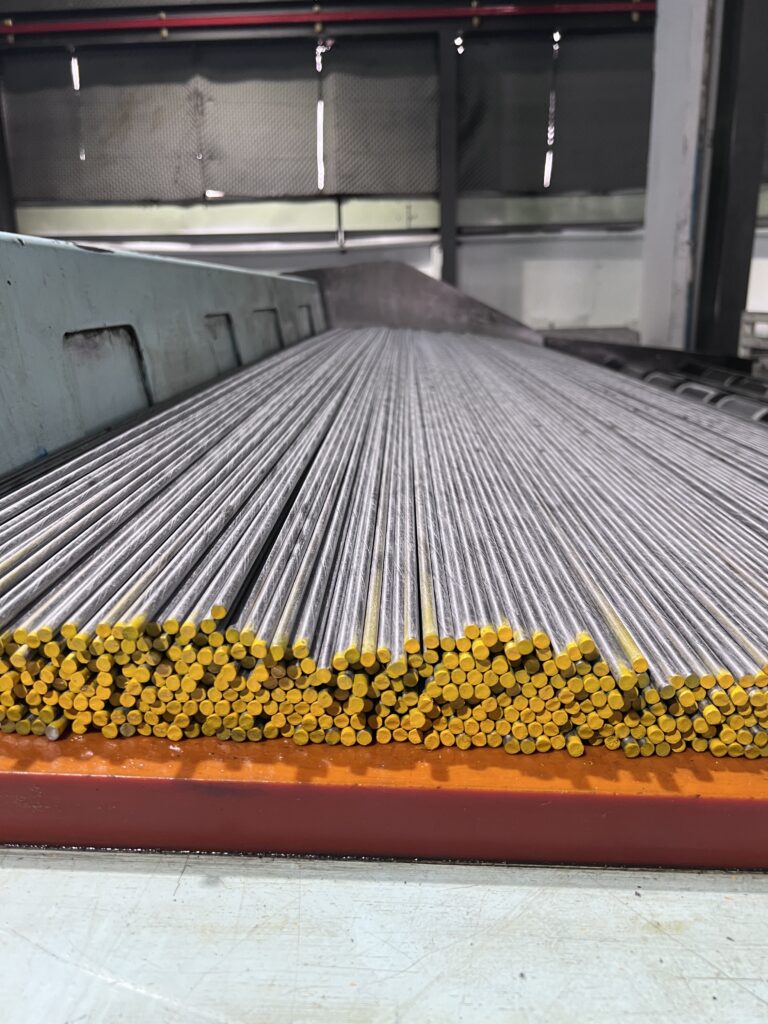
When purchasing stainless steel bars, many buyers notice a clear difference in surface appearance. Some bars look mirror-bright, while others appear dull or matte. This often leads to a common misunderstanding: brighter stainless steel bars must be better quality or more corrosion-resistant. In reality, surface brightness has little to do with material grade or rust […]
What is the Difference Between 2205 and 2507 Duplex Stainless Steels?
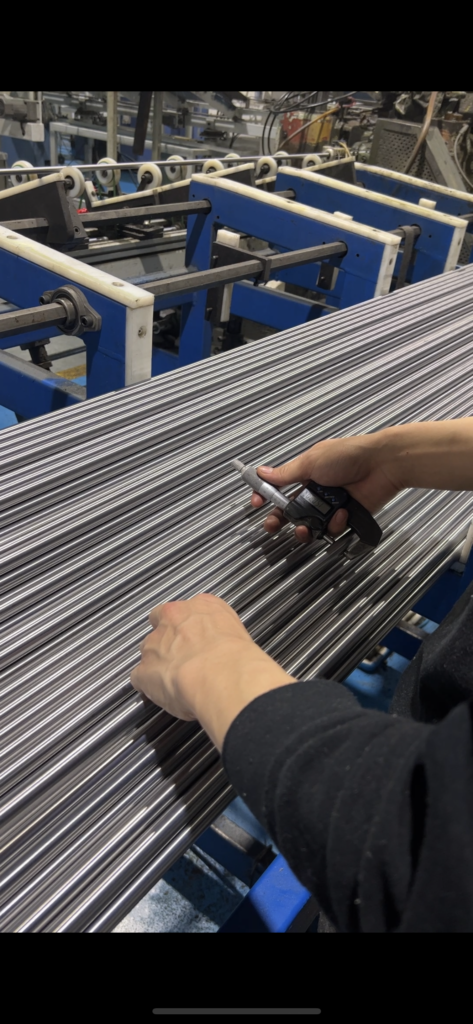
What is the Difference Between 2205 and 2507 Duplex Stainless Steels? Many friends in the industrial, chemical, or marine engineering fields often struggle to choose between 2205 and 2507 duplex stainless steels. They only differ by a few numbers in name, but the actual gap is quite large. Today, I’ll break down their core differences […]
How Steel Is Made: From Iron Ore to Finished Steel
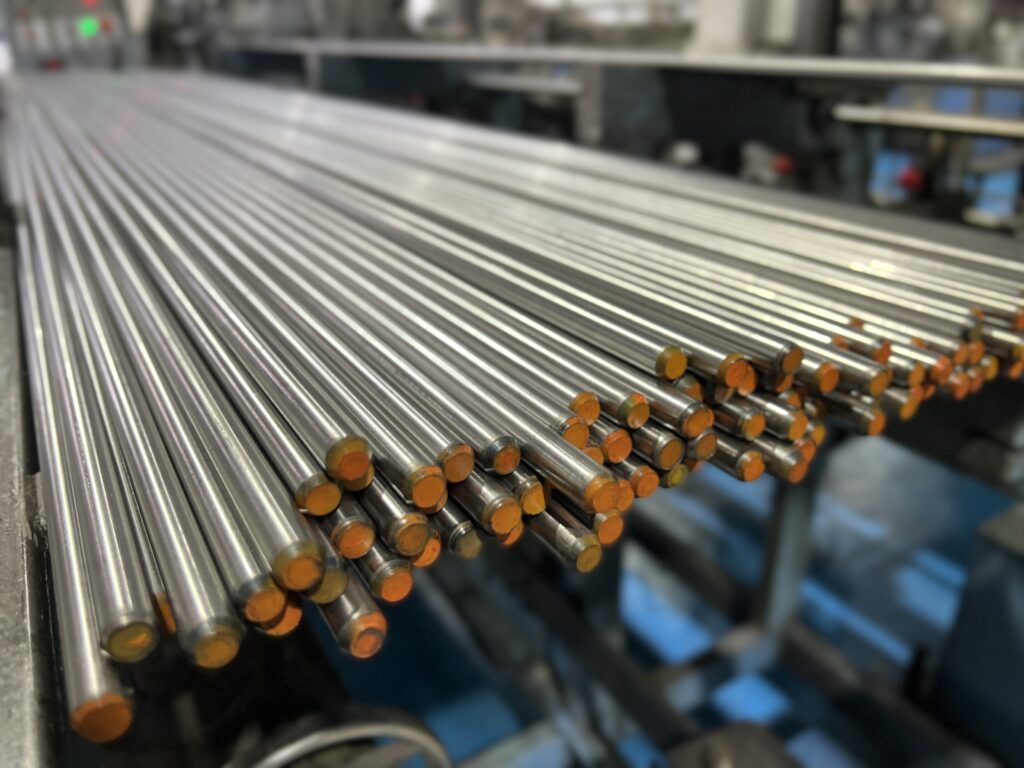
How Steel Is Made: The Complete Journey from Ore to Industry Steel is the backbone of modern industry. From infrastructure and transportation to machinery and energy systems, steel supports nearly every sector of the global economy. With an annual global output exceeding 1.9 billion tons, steel production is one of the most important industrial processes […]
303Cu Stainless Steel Bar for Precision Machining
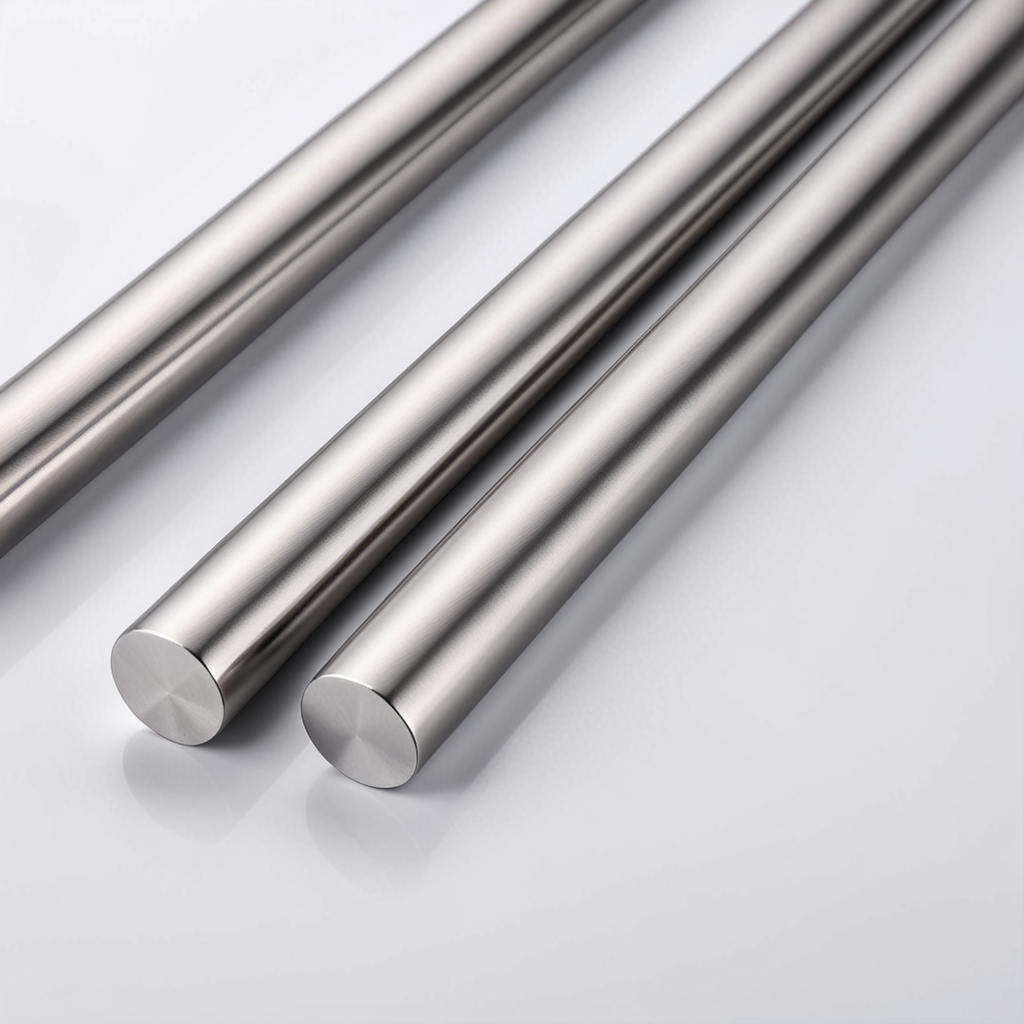
In precision machining, especially for small-diameter shaft components, productivity does not only depend on equipment capability. Material machinability and dimensional stability are often the decisive factors that determine whether a production run proceeds smoothly or turns into repeated rework. Among free-machining stainless steels, 303Cu stainless steel stands out as a material specifically optimized for high-efficiency […]
65Mn Spring Steel: Elasticity and Wear Explained
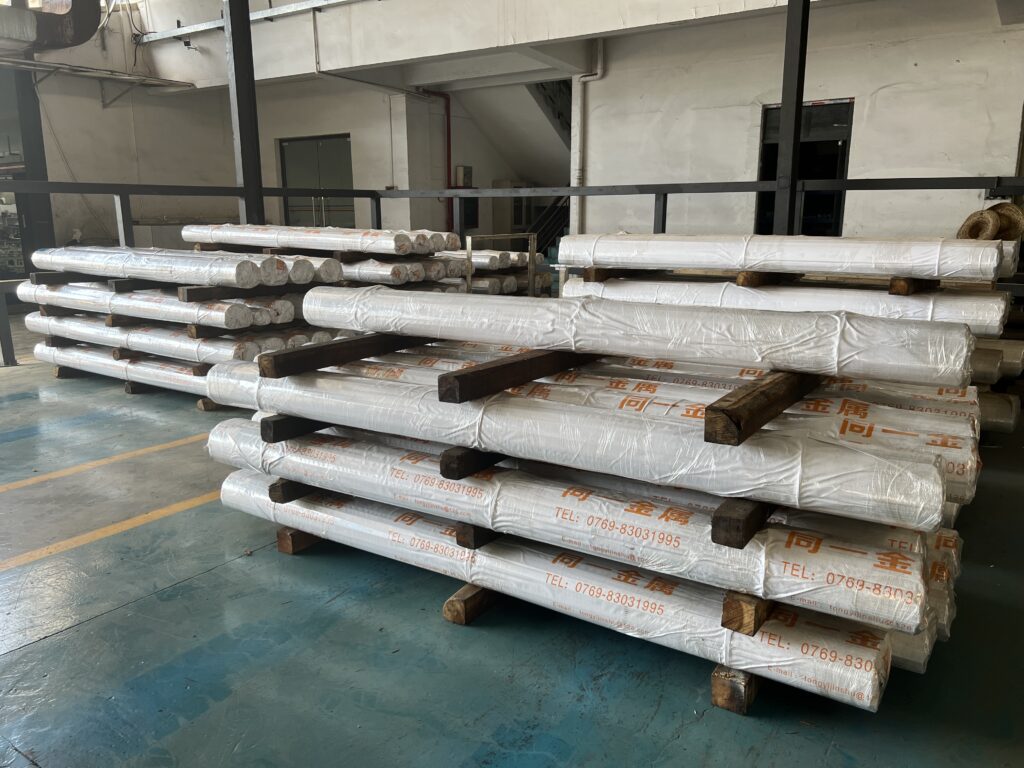
In mechanical design, strength is often seen as the primary requirement. However, for many components subjected to repeated loading, elastic recovery and wear resistance are far more critical. This is where 65Mn spring steel distinguishes itself. 65Mn does not aim to be thick or heavy. Its true value lies in its ability to store energy, […]
Steel vs Iron vs Stainless Steel Explained
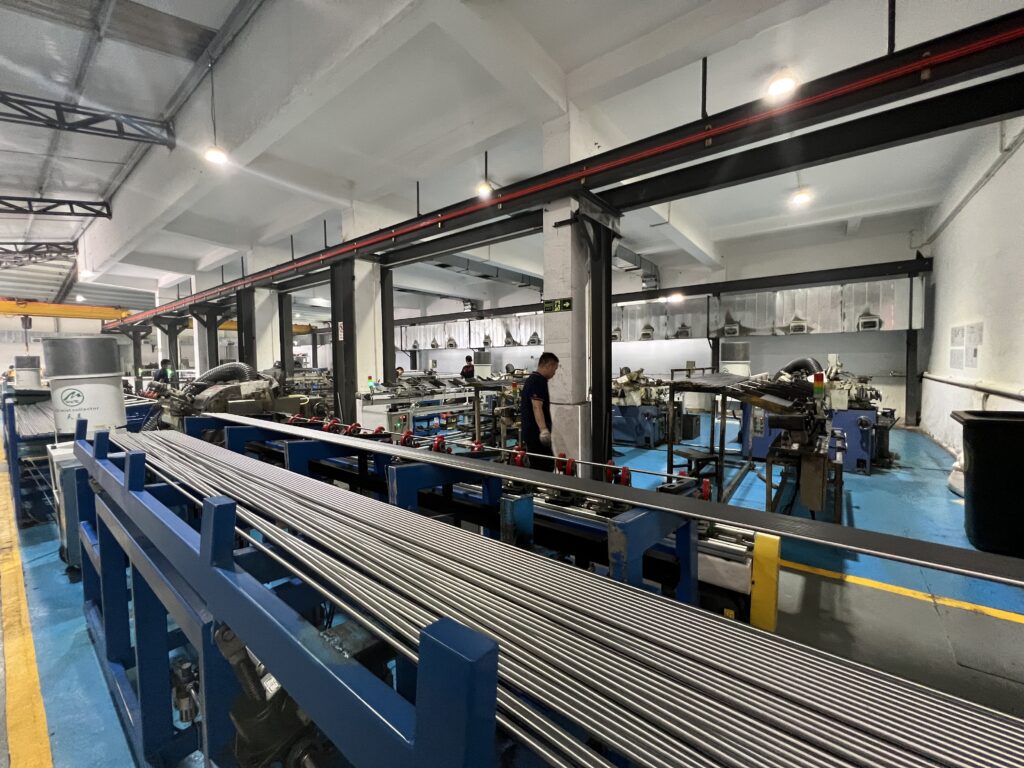
In metal materials, terms like iron, steel, and stainless steel are often used interchangeably. In reality, they refer to different categories defined by chemical composition and performance. Understanding these differences is fundamental for engineers, machinists, and buyers involved in material selection. What Is Iron? Iron is a metallic element and the base material of almost […]
17-4PH Stainless Steel Bars for Stable Machining

When engineers compare stainless steel materials for demanding environments, 2205 duplex stainless steel and 316L austenitic stainless steel often appear on the same shortlist. Both offer good corrosion resistance and reliable performance. However, in many structural and load-bearing applications, 2205 shows clear advantages over 316L. Understanding these differences helps designers and procurement teams choose the […]
17-4PH Stainless Steel Bars for Stable Machining
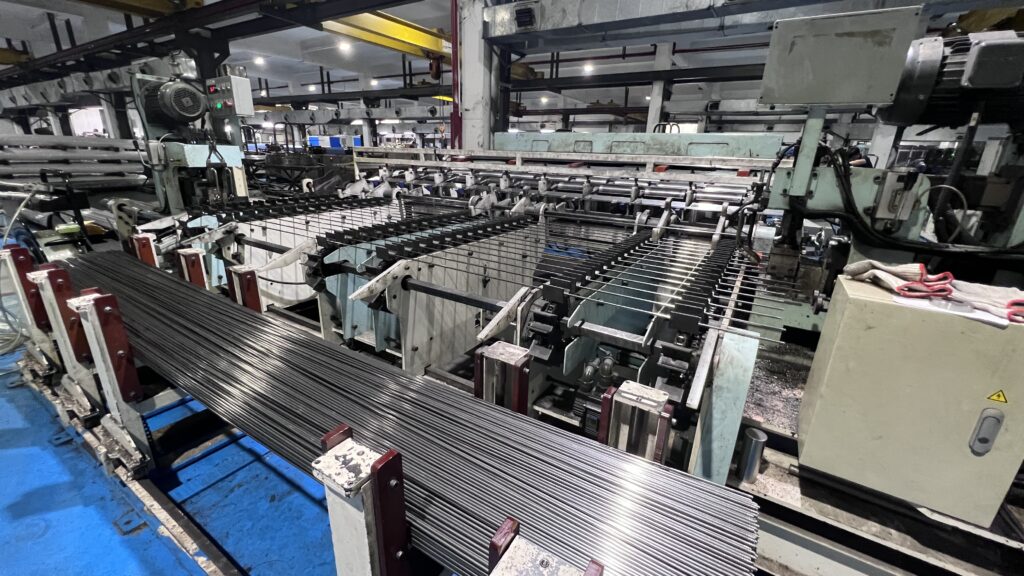
For machining professionals, material stability is often more important than headline strength numbers. A bar that looks fine on paper but behaves inconsistently on the machine can quickly turn into scrap, tool damage, and lost time. This is especially true for precipitation-hardening stainless steels like 17-4PH, which are widely used in high-strength, high-precision components. When […]
Why High-Value Titanium Bars Matter in Industry
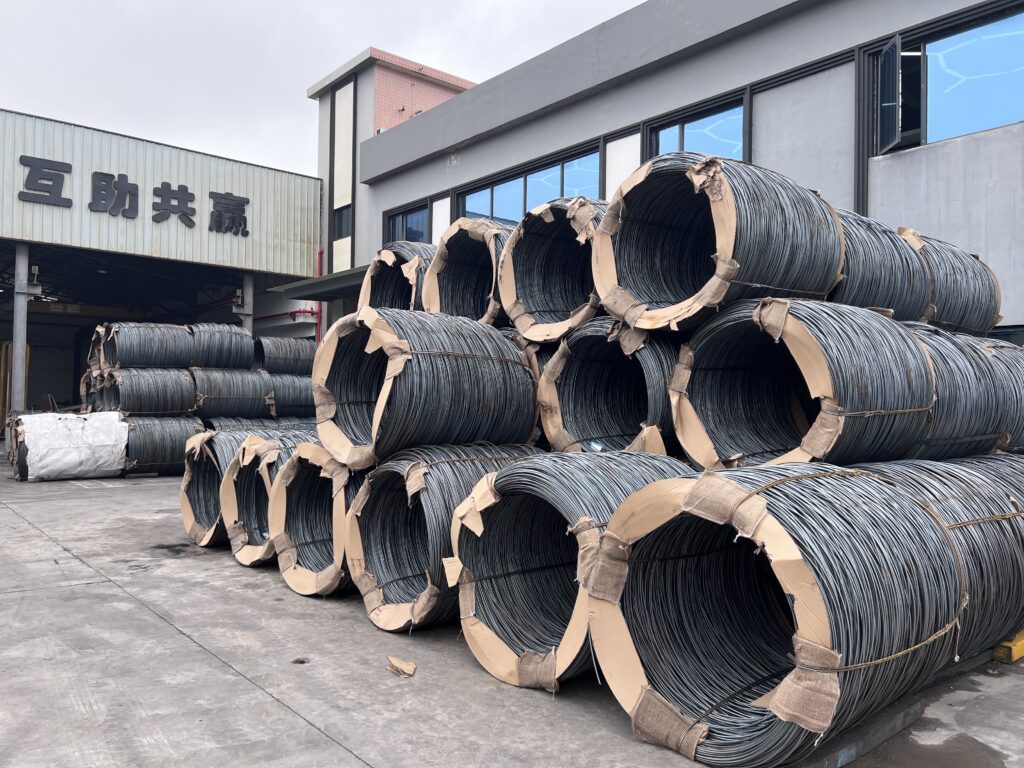
Titanium bars priced at over 200 per kilogram often raise questions: why would manufacturers choose such an expensive material when steel or aluminum is far more affordable? The answer lies not in cost, but in performance boundaries that conventional metals simply cannot reach. Titanium is not designed for mass substitution. It exists to solve problems […]
