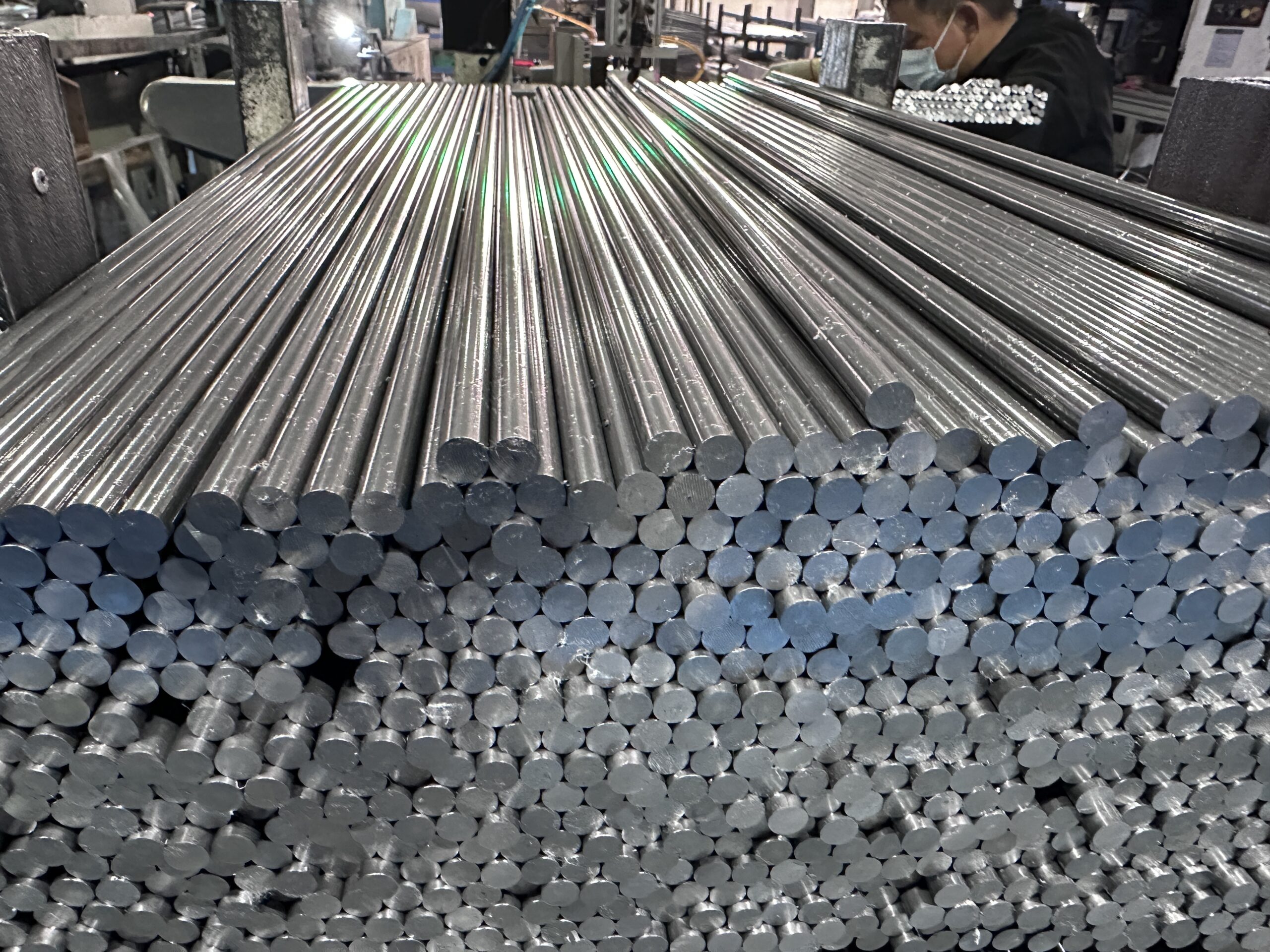
In metal materials, terms like iron, steel, and stainless steel are often used interchangeably. In reality, they refer to different categories defined by chemical composition and performance. Understanding these differences is fundamental for engineers, machinists, and buyers involved in material selection.
What Is Iron?
Iron is a metallic element and the base material of almost all ferrous metals. In industrial terms, when the carbon content exceeds 2%, the material is commonly referred to as iron rather than steel. Typical examples include cast iron and pig iron.
High-carbon iron materials are characterized by good castability but poor ductility and toughness. They are suitable for casting applications but not ideal for parts that require high strength, impact resistance, or precision machining.
What Is Steel?
Steel is defined as an iron–carbon alloy with a carbon content below 2%. By controlling carbon levels and processing methods, steel can achieve a balance between strength, toughness, and machinability.
Compared to iron, steel offers:
-
Higher tensile and yield strength
-
Better plastic deformation capability
-
Improved fatigue resistance
-
Wider applicability in mechanical structures
Steel is the foundation of modern manufacturing, used in shafts, gears, fasteners, structural components, and machine parts.
Alloying: How Steel Performance Is Improved
Pure carbon steel has limitations. To meet complex engineering demands, alloying elements are introduced during steelmaking. Common alloying elements include chromium, nickel, manganese, silicon, molybdenum, titanium, and others.
These elements enhance steel performance by:
-
Increasing strength and hardness
-
Improving toughness and wear resistance
-
Enhancing corrosion resistance
-
Stabilizing microstructure
Different alloy combinations lead to different steel grades, each optimized for specific working conditions.
What Is Stainless Steel?
Stainless steel is not a separate metal, but a type of steel. The defining feature of stainless steel is the addition of chromium, typically at a content of 10.5% or higher.
Chromium forms a thin, stable oxide layer on the steel surface. This passive film protects the material from oxidation and corrosion, which is why stainless steel does not rust easily under normal conditions.
Depending on the application, other elements such as nickel, molybdenum, manganese, or titanium may be added to further improve corrosion resistance, strength, or temperature stability.
Comparison of Iron, Carbon Steel, and Stainless Steel
| Category | Carbon Content | Key Alloy Elements | Corrosion Resistance | Typical Applications |
|---|---|---|---|---|
| Iron | > 2% | None | Very low | Castings, machine bases |
| Carbon Steel | < 2% | Minimal | Low | Shafts, gears, structures |
| Stainless Steel | < 2% | Chromium, Nickel | High | Precision parts, valves, shafts |
This comparison highlights why stainless steel occupies a unique position in modern industry.
Why Stainless Steel Is Widely Used
Stainless steel combines the mechanical strength of steel with enhanced corrosion resistance. This makes it suitable for:
-
Moist or corrosive environments
-
Precision-machined components
-
Long-life mechanical parts
-
Applications requiring surface cleanliness
While stainless steel may not be required for every application, it becomes essential when corrosion, hygiene, or durability are critical.
Material Selection Starts With Fundamentals
Choosing the right material begins with understanding these basic definitions. Confusing iron with steel or steel with stainless steel can lead to incorrect design assumptions, premature failure, or unnecessary cost.
By clearly distinguishing between iron, steel, and stainless steel, engineers can select materials based on real performance requirements rather than general labels.
About Tongyi Metal
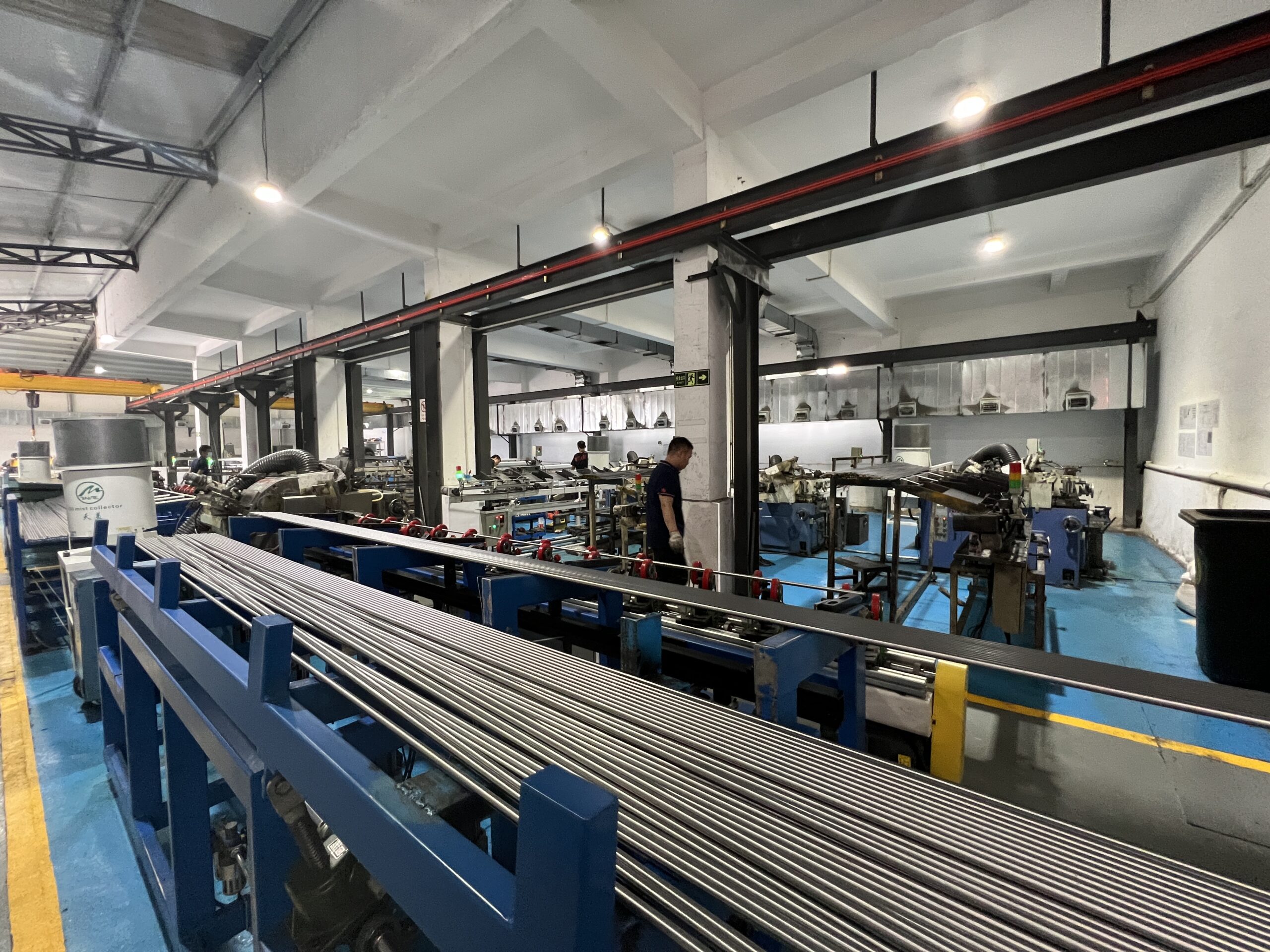
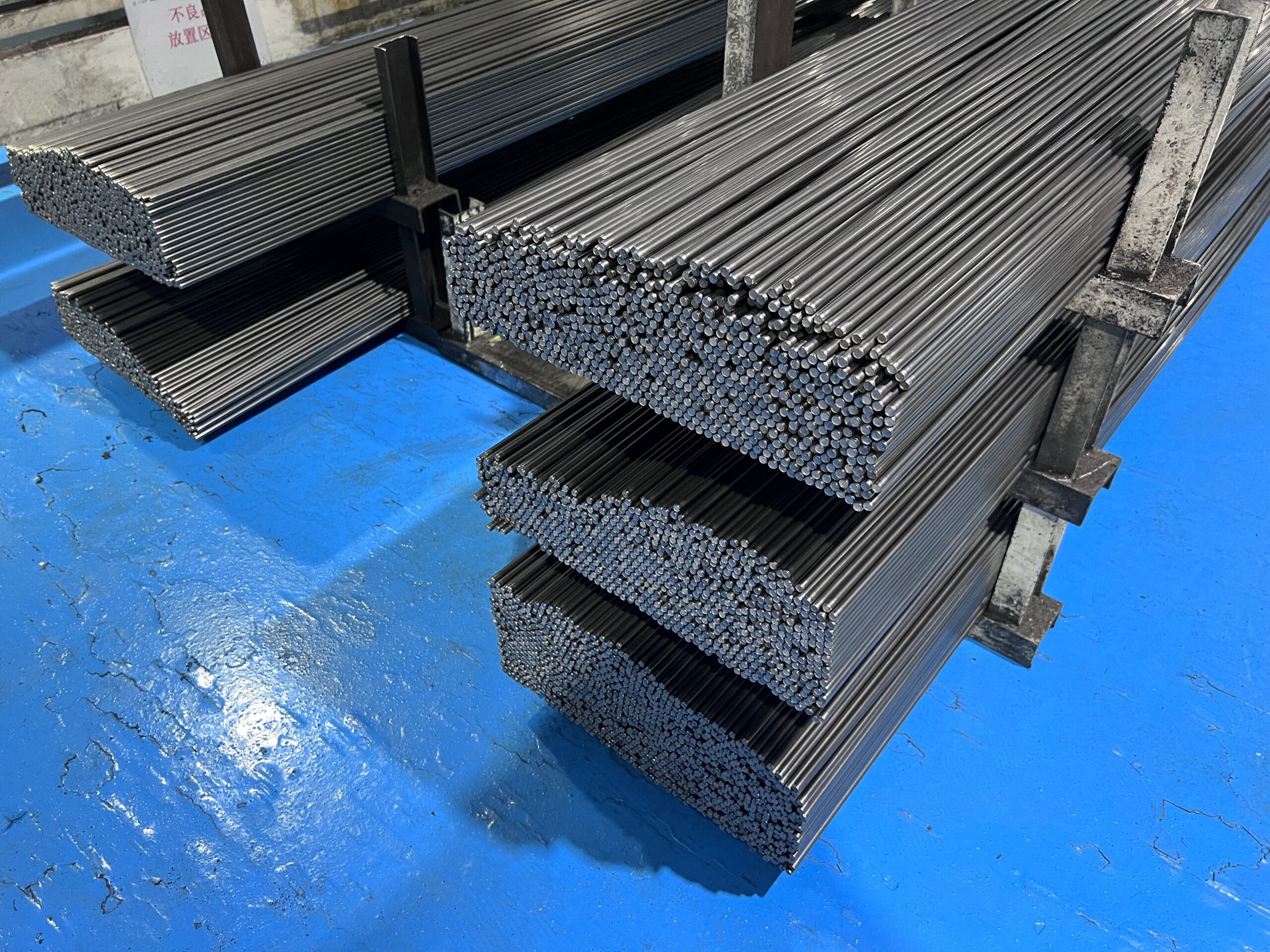
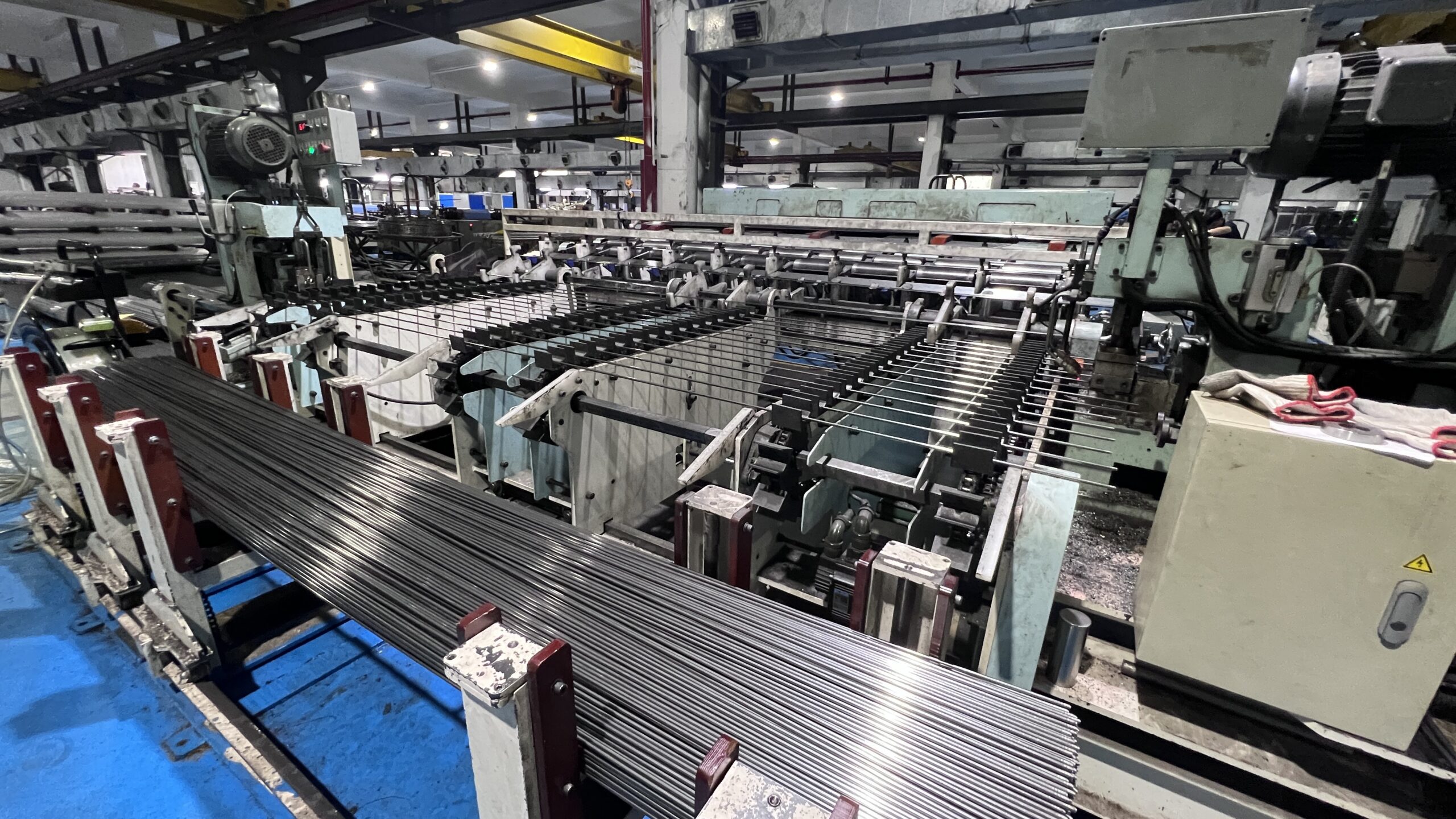
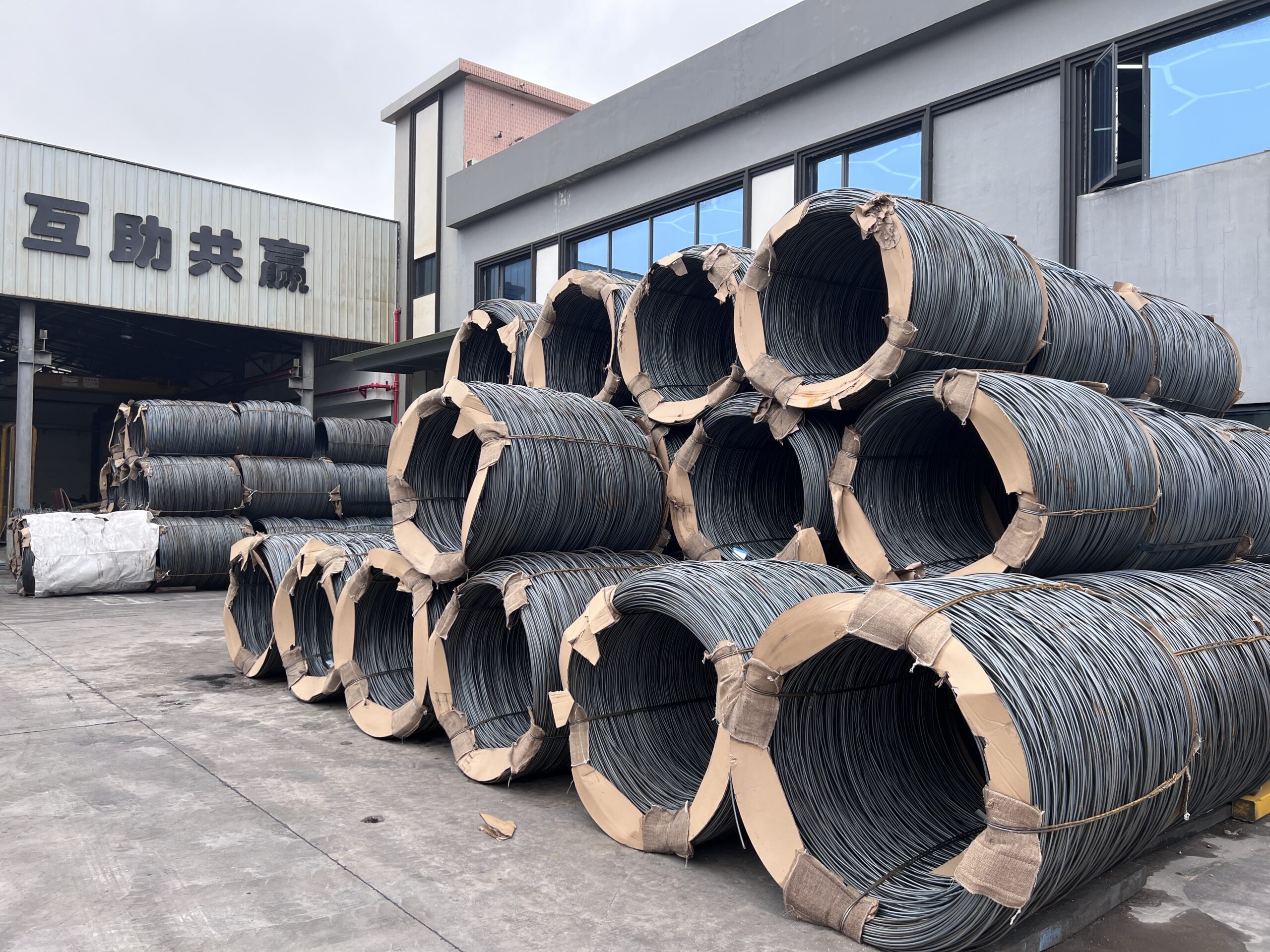
Tongyi Metal focuses on supplying a wide range of steel and stainless steel bars with stable chemical composition and controlled processing. By understanding material fundamentals, customers can better match steel grades to their machining and service conditions.