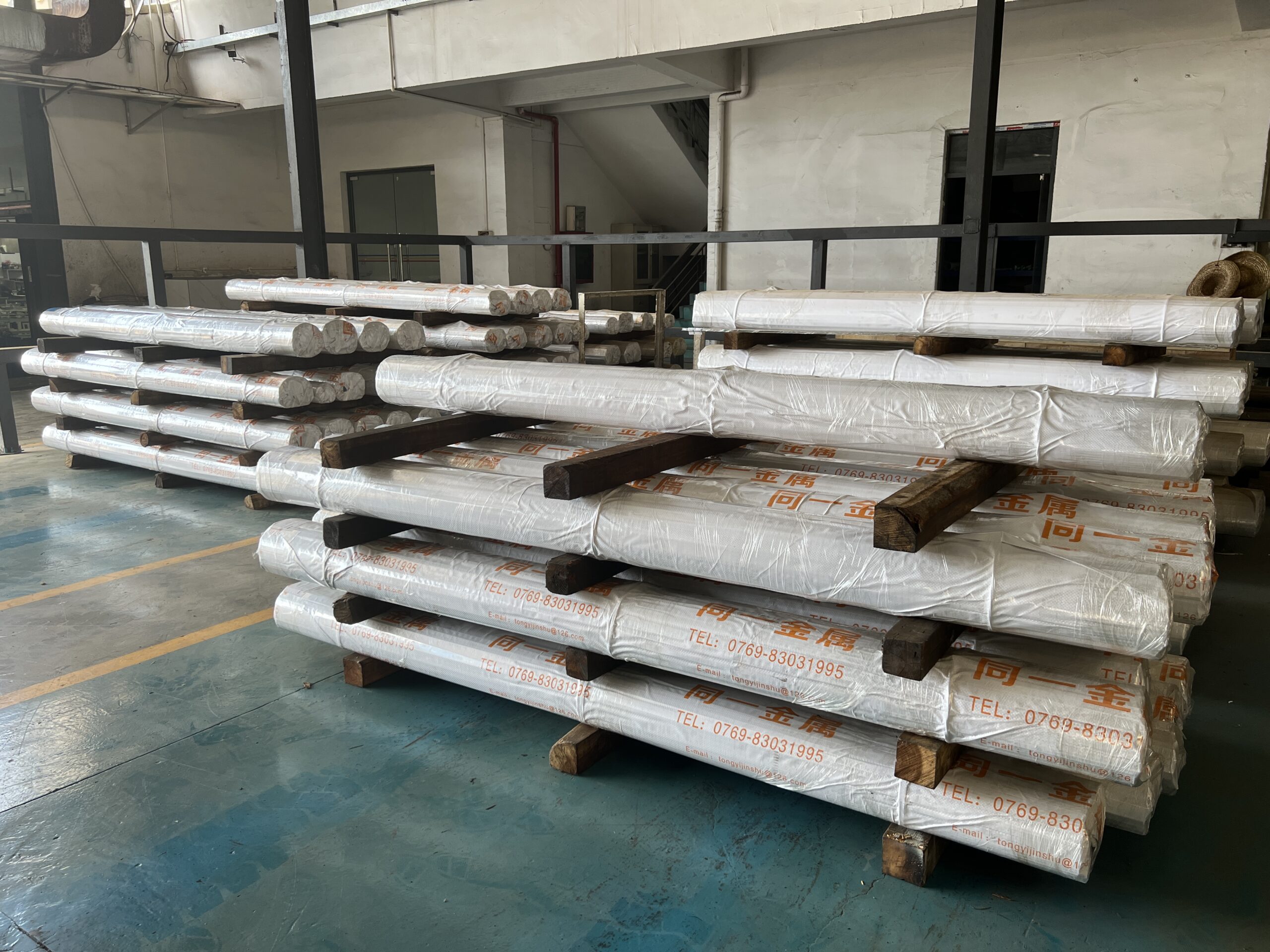
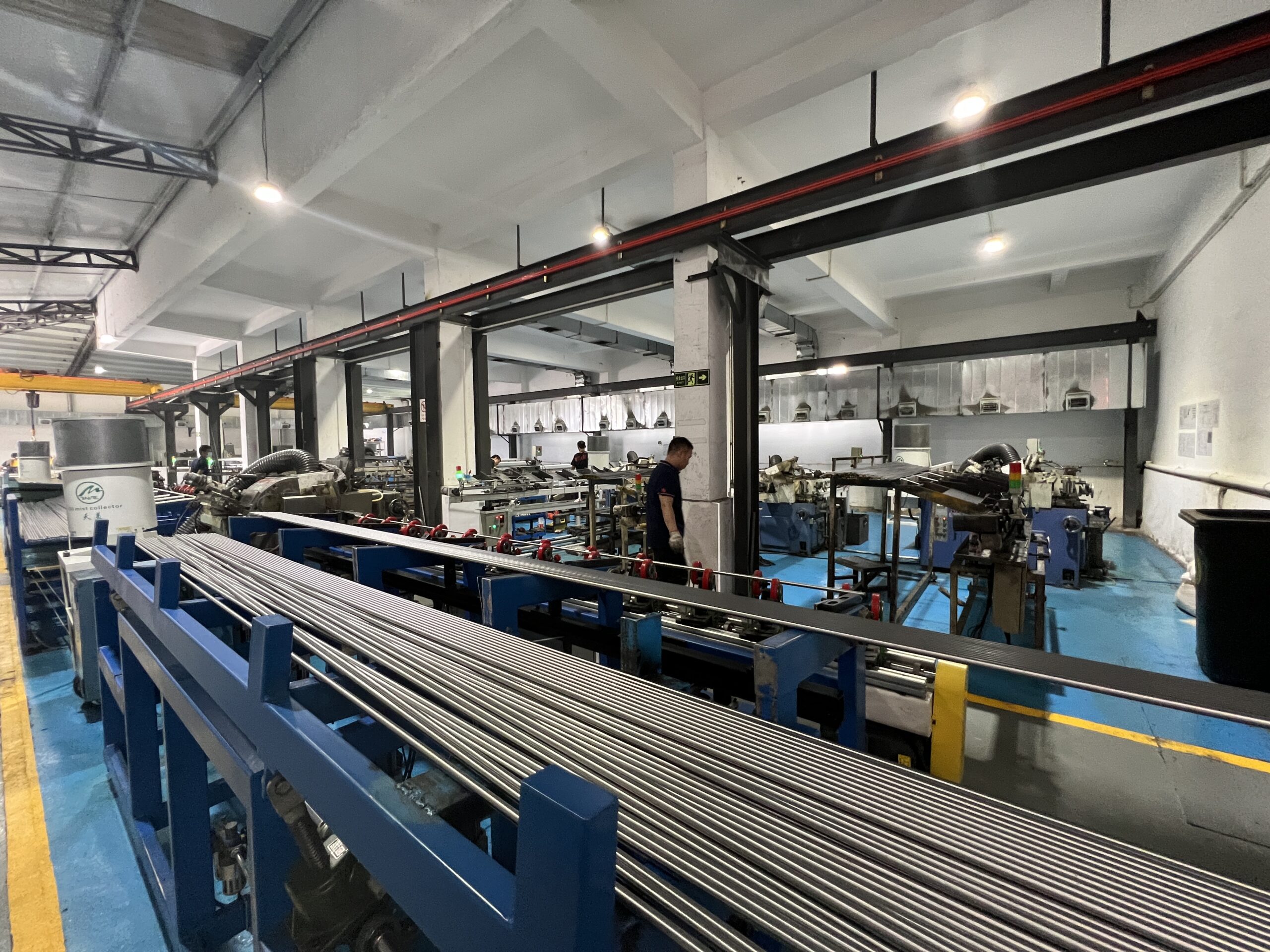
When purchasing stainless steel bars, many buyers notice a clear difference in surface appearance. Some bars look mirror-bright, while others appear dull or matte. This often leads to a common misunderstanding: brighter stainless steel bars must be better quality or more corrosion-resistant.
In reality, surface brightness has little to do with material grade or rust resistance. The difference mainly comes from processing methods, especially polishing and grinding. Understanding this distinction can help buyers make more rational decisions and avoid unnecessary costs.
How Stainless Steel Bars Are Manufactured
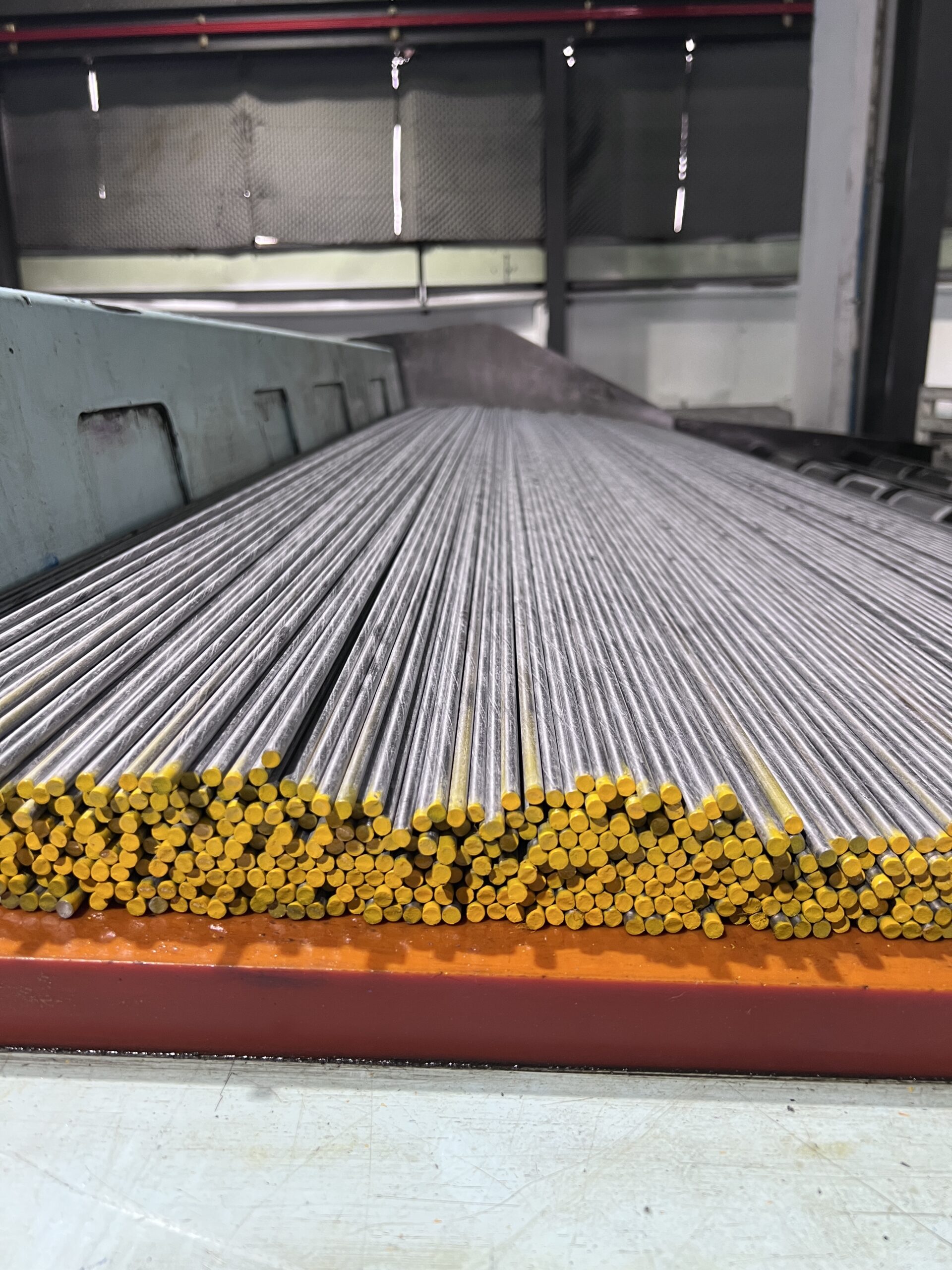
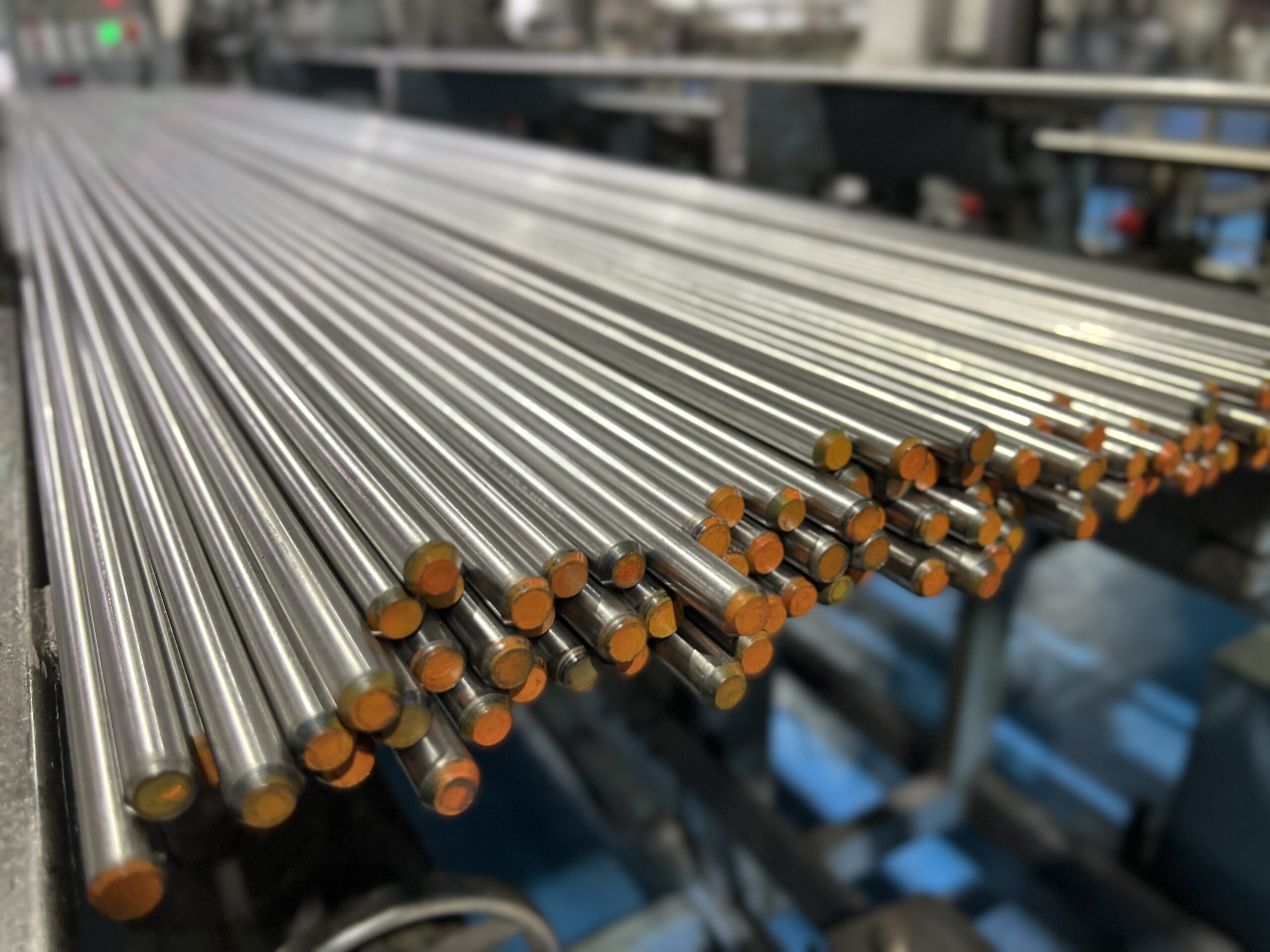
Stainless steel bars are produced by forming stainless steel billets through extrusion, hot rolling, or cold drawing using molds. At this stage, the surface of the bar has no inherent brightness. It typically shows a natural metallic gray appearance with minor surface texture left by the forming process.
The raw material itself does not determine surface gloss. Whether the bar will look bright or dull depends on what happens after forming.
The Role of Polishing and Grinding
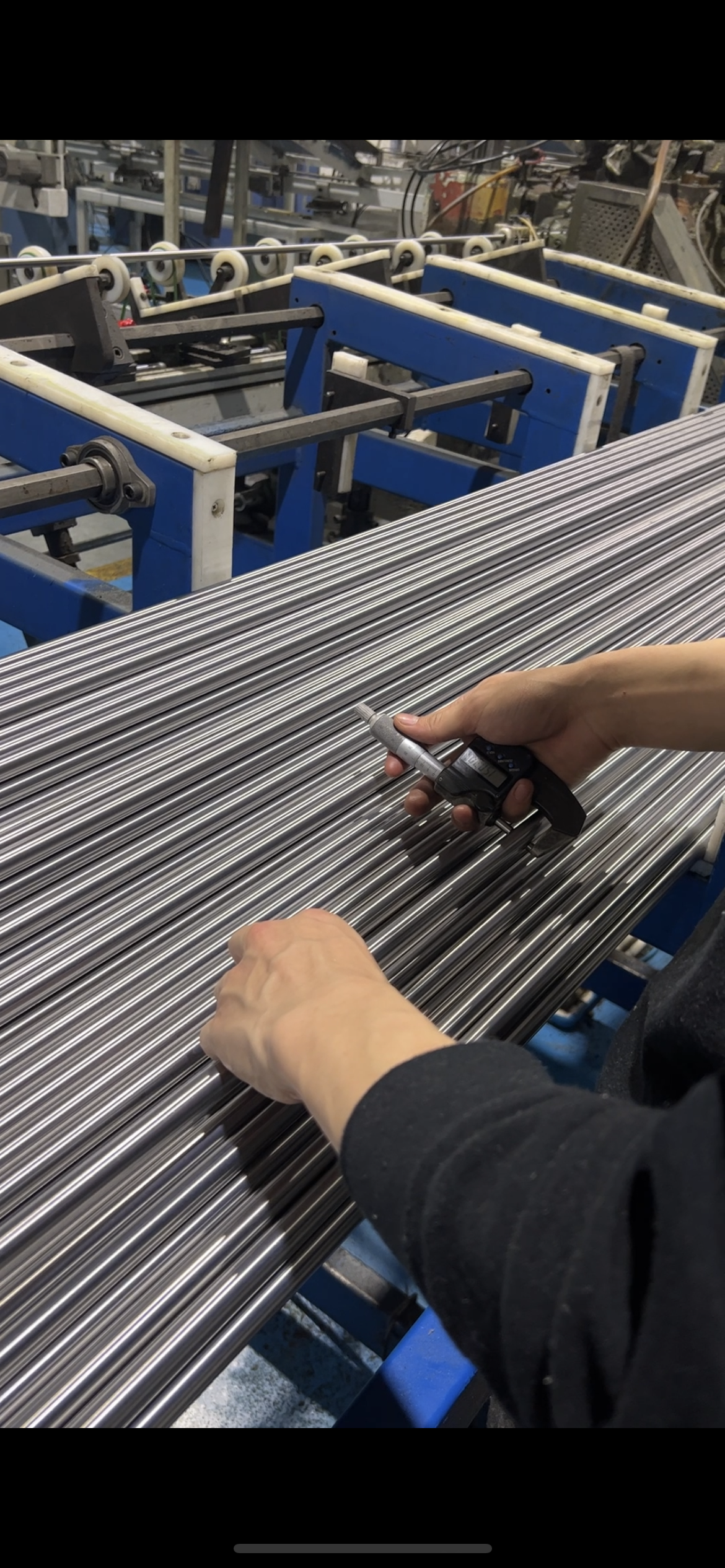
Surface gloss is created through additional finishing processes such as polishing or grinding. These processes remove surface irregularities and refine the surface roughness, allowing light to reflect more evenly.
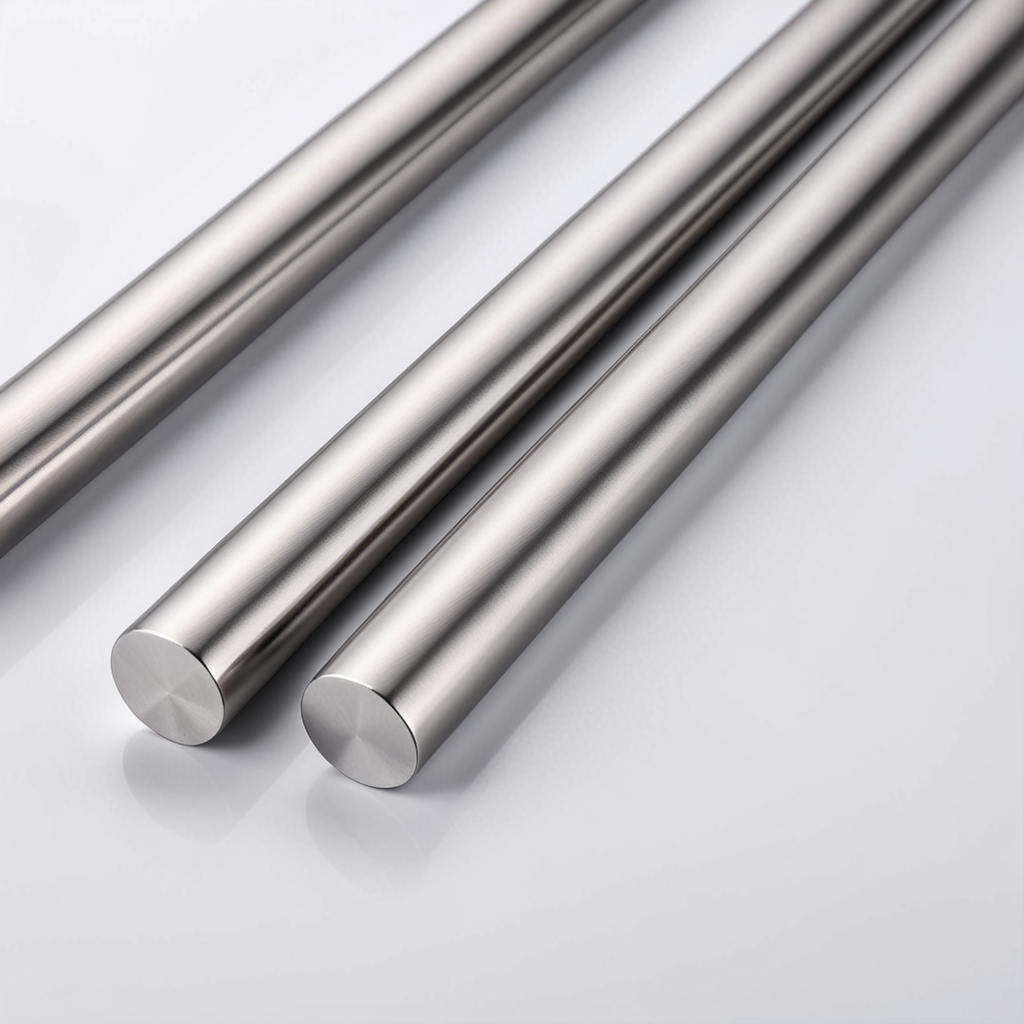
A highly polished stainless steel bar simply means one extra processing step has been added. It does not mean the steel is purer, stronger, or more corrosion-resistant than an unpolished bar of the same grade.
From a metallurgical standpoint, polishing only affects appearance, not internal structure or chemical composition.
Brightness Does Not Equal Better Corrosion Resistance
A common misconception is that a shinier surface means better rust resistance. In fact, corrosion resistance depends primarily on alloy composition, especially chromium and nickel content, not on surface gloss.
Two stainless steel bars of the same grade—one polished and one unpolished—will have identical corrosion resistance if they are produced from the same material. The passive chromium oxide layer that protects stainless steel forms naturally and is not enhanced by polishing alone.
When Is Polishing Necessary?
While polishing does not improve material performance, it can be necessary for certain applications. Some components require higher surface finish for functional or aesthetic reasons.
Typical scenarios where polishing is recommended include precision mechanical parts, decorative components, medical devices, and applications with specific surface roughness requirements.
In these cases, polishing is added purely to meet design or processing needs, not because the material quality is higher.
Comparison Between Polished and Unpolished Stainless Steel Bars
| Aspect | Polished Stainless Steel Bar | Unpolished Stainless Steel Bar |
|---|---|---|
| Material Grade | Same | Same |
| Corrosion Resistance | Same | Same |
| Mechanical Properties | Same | Same |
| Surface Appearance | Bright and smooth | Natural or matte |
| Processing Cost | Higher | Lower |
| Typical Applications | Precision or appearance-critical parts | General machining |
Choosing the Right Option
For most machining applications, unpolished stainless steel bars are fully sufficient. Choosing polished bars when surface finish is not required only increases material cost without adding functional value.
On the other hand, if your product has strict surface requirements or will be used in visible applications, adding a polishing step can help meet those standards efficiently.
At Tongyi Metal, we provide stainless steel bars with optional polishing and grinding processes based on actual application needs. Our goal is to help customers choose the right material and finish—not simply the brightest one.
The difference between bright and dull stainless steel bars lies in processing, not quality. Polishing adds surface gloss but does not improve corrosion resistance, strength, or durability.
Understanding this helps manufacturers avoid misconceptions, control costs, and select stainless steel bars that truly match their application requirements.