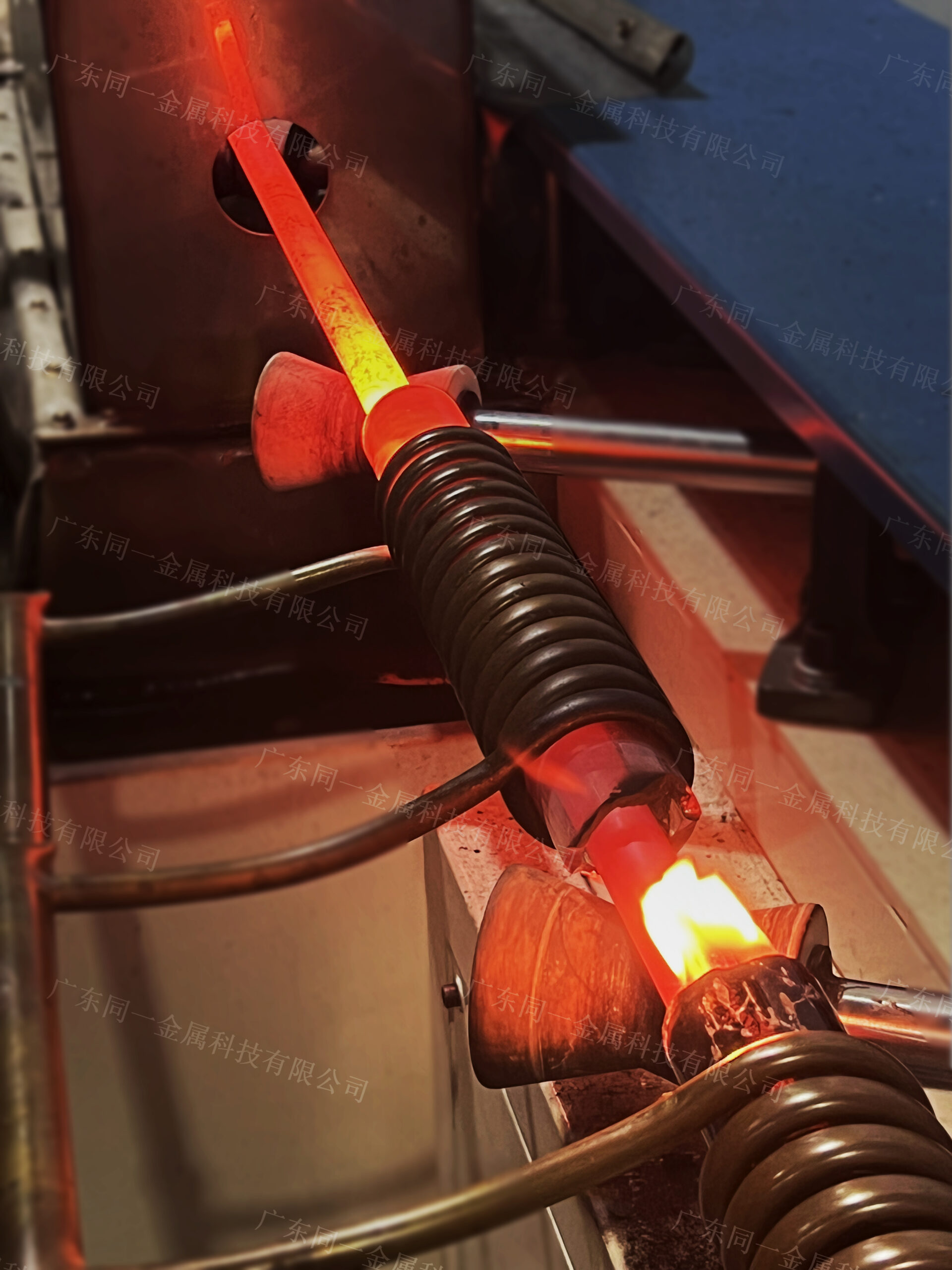
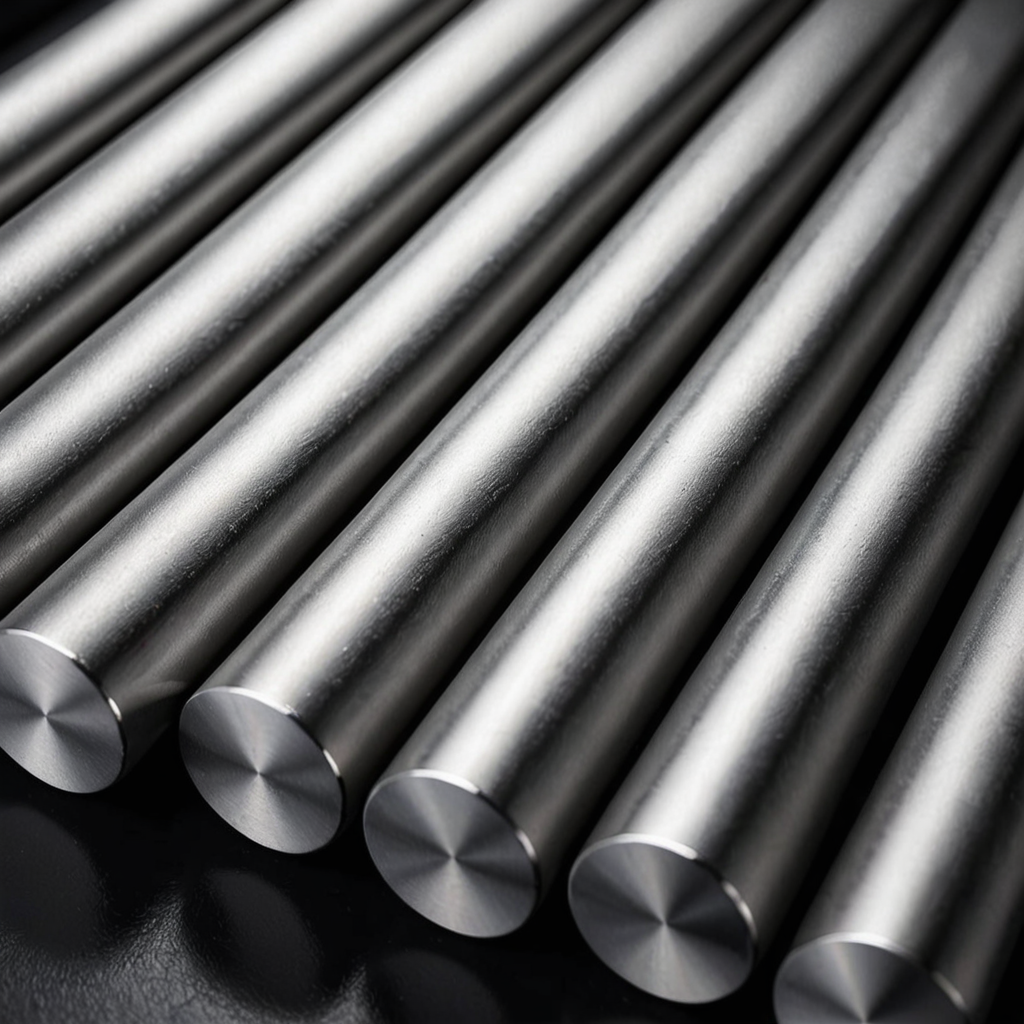
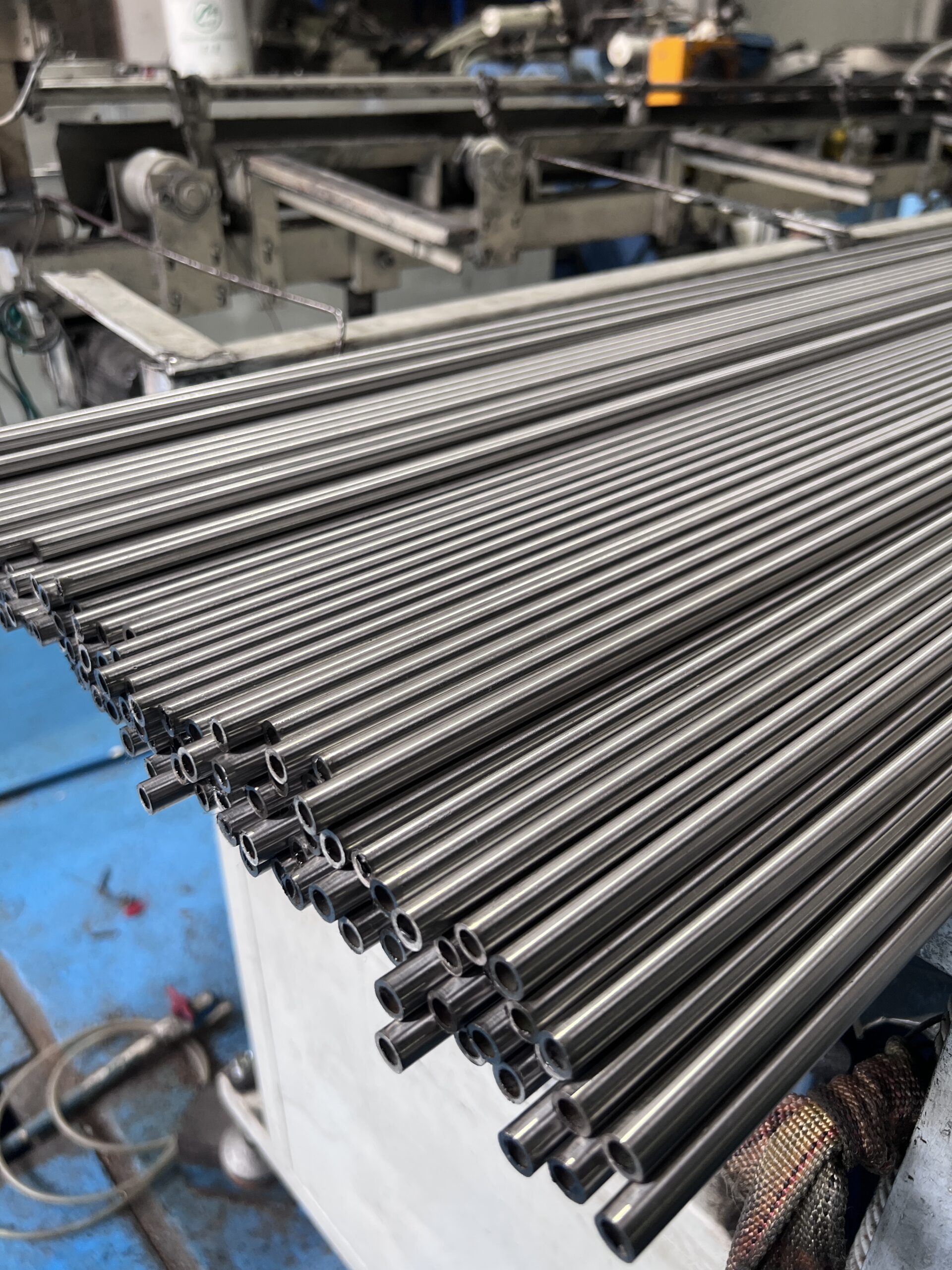
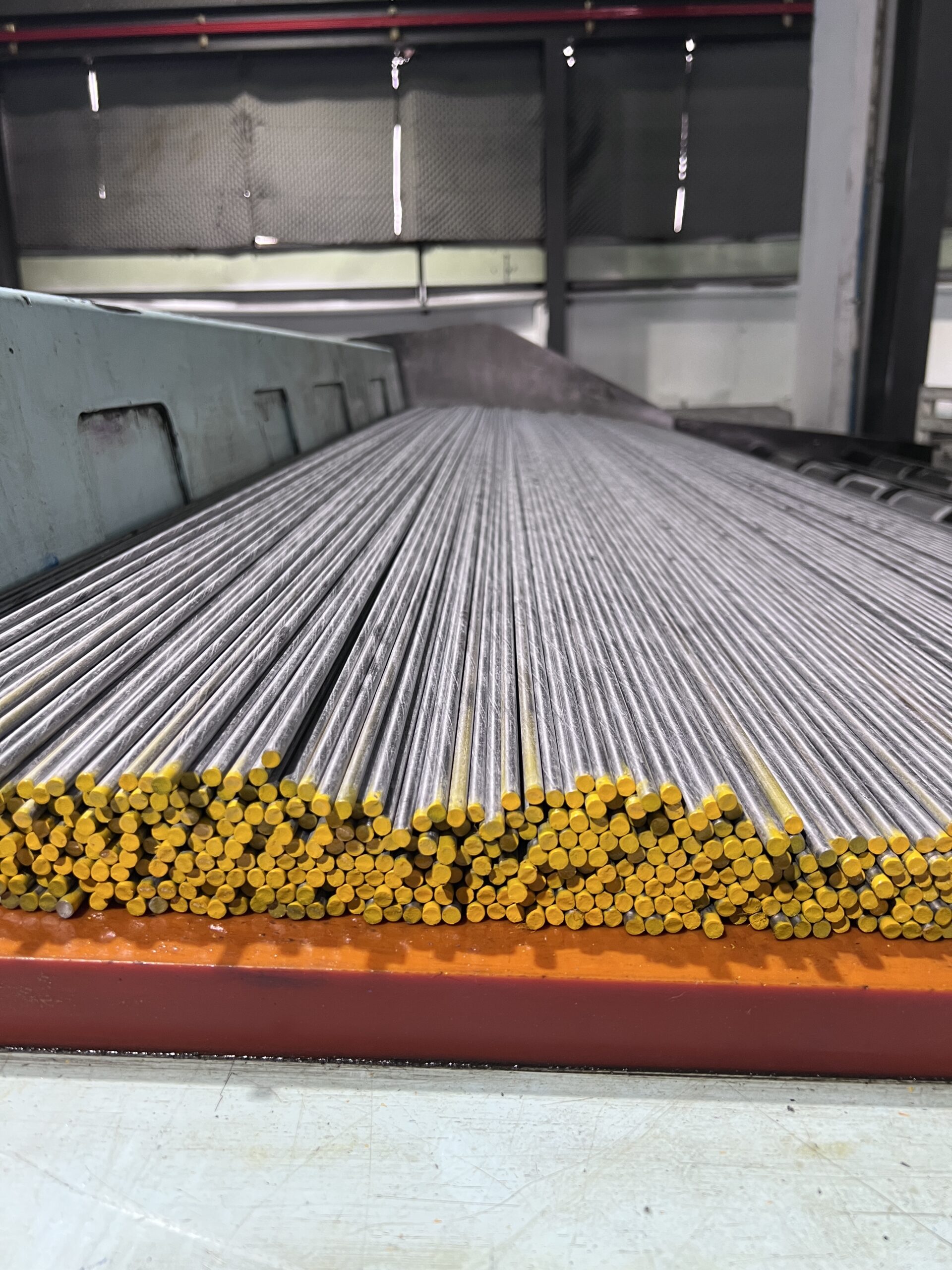
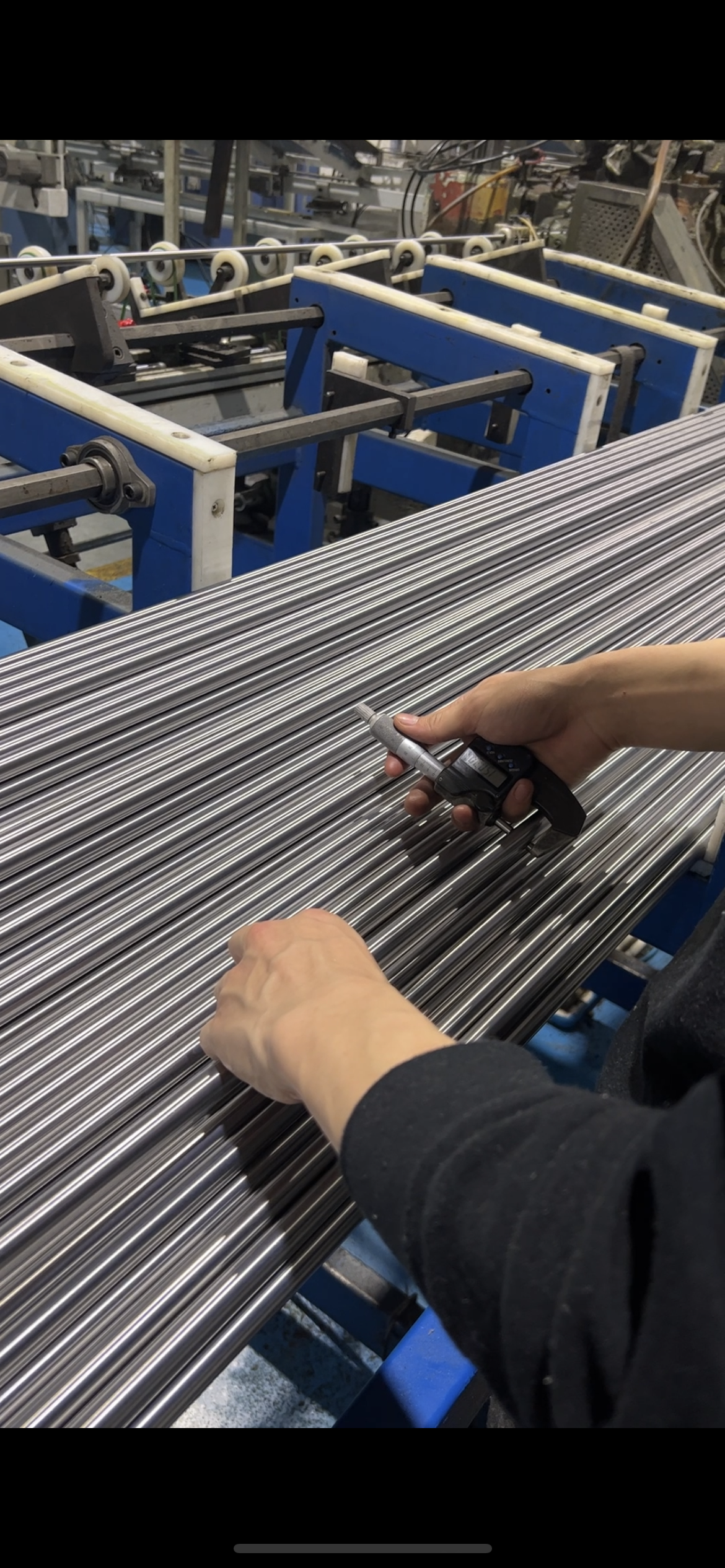
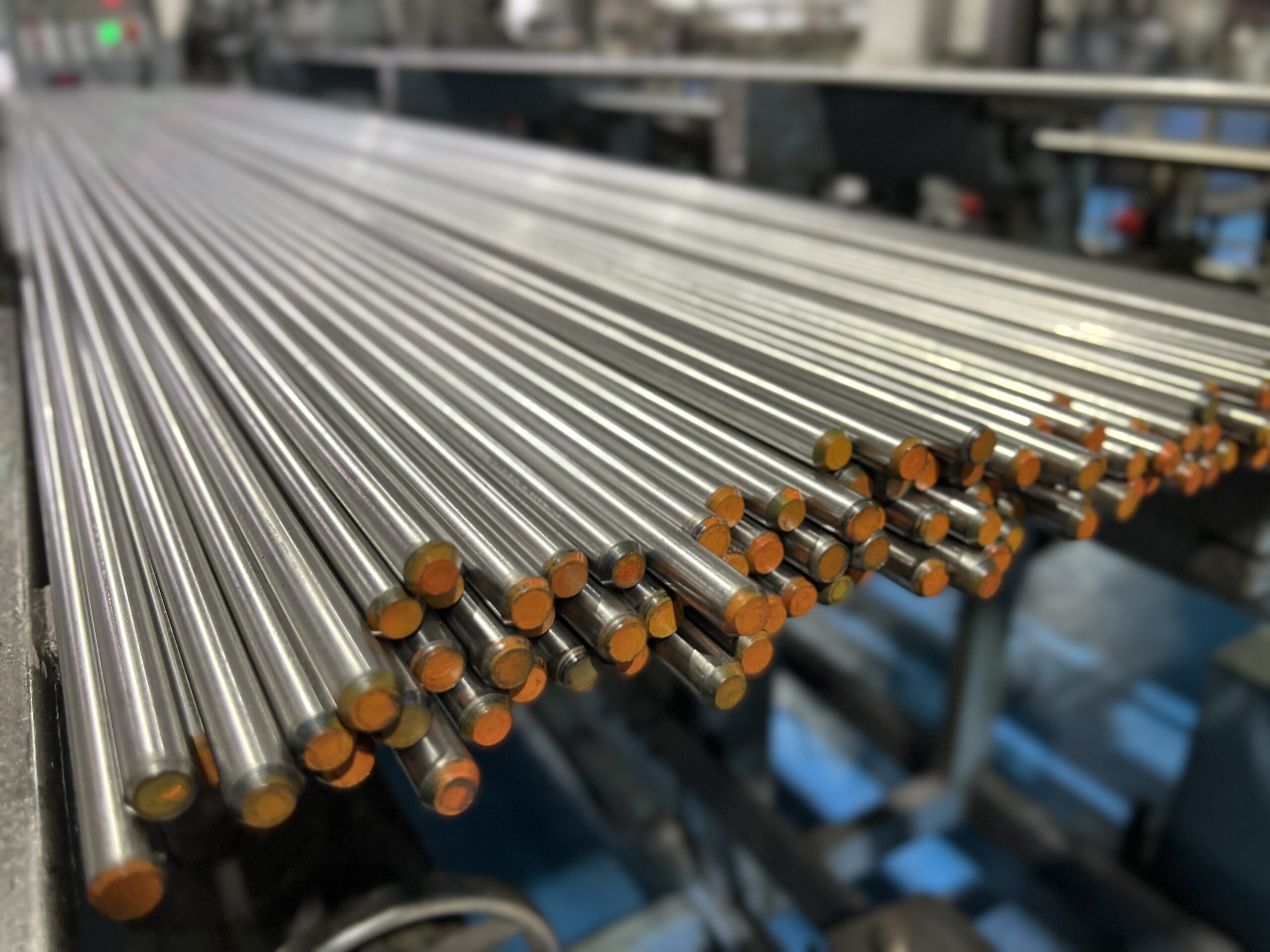
321 stainless steel bars are widely used in industries such as chemical processing, aerospace, automotive, and high-temperature environments. Known for their excellent resistance to oxidation and creep strength up to 870°C, 321 stainless steel combines durability with stability. However, to maximize its service life, proper care and maintenance are essential. This article introduces five practical methods to extend the lifespan of 321 stainless steel bars.
Properties of 321 Stainless Steel
Before discussing maintenance, it is important to understand the basic features of 321 stainless steel:
| Property | Description |
|---|---|
| Composition | Iron, 17–19% Cr, 9–12% Ni, Ti stabilized |
| Corrosion resistance | Excellent resistance to oxidation and intergranular corrosion |
| Heat resistance | Withstands up to 870°C in continuous service |
| Mechanical strength | Good creep and stress rupture resistance |
| Typical applications | Heat exchangers, jet engine parts, chemical equipment, exhaust manifolds |
The titanium stabilization makes 321 stainless steel more resistant to carbide precipitation compared to 304, especially under high-temperature service.
Five Key Maintenance Tips
1. Regular Surface Cleaning
Dust, oil, and industrial residues can reduce corrosion resistance if left on the surface. Clean the bars periodically with neutral detergent and warm water. For stubborn stains, use a mild stainless-steel cleaner instead of harsh chemicals.
2. Avoid Contact with Chlorides
Chlorides, especially from seawater, industrial coolants, or cleaning agents, can lead to localized corrosion or pitting. Ensure that 321 stainless steel bars are not stored or used in environments with prolonged chloride exposure.
3. Proper Storage Conditions
Store 321 stainless steel bars in a dry, well-ventilated area. Avoid stacking directly on concrete floors, which can retain moisture. Instead, use wooden pallets or plastic supports to prevent direct contact with water or corrosive agents.
4. Periodic Inspection
Regular inspection of stainless steel bars helps identify early signs of corrosion, cracks, or surface wear. If damage is detected, polish and passivate the surface to restore corrosion resistance.
5. Passivation Treatment
Over time, the protective chromium oxide layer on stainless steel can degrade. Applying a passivation treatment using nitric acid or citric acid solutions helps restore the passive film, enhancing resistance to oxidation and extending service life.
Practical Benefits of Proper Maintenance
| Benefit | Impact on Performance |
|---|---|
| Extended lifespan | Delays surface degradation, reducing replacement frequency |
| Improved corrosion resistance | Protects against harsh environments like chemicals or high humidity |
| Lower operating costs | Reduces maintenance downtime and repair expenses |
| Consistent mechanical strength | Ensures reliable performance in high-temperature and high-stress usage |
321 stainless steel bars are an excellent choice for demanding environments where heat resistance and corrosion protection are required. However, like any high-performance material, their service life depends heavily on proper care. By following these **five key tips—cleaning, avoiding chlorides, proper storage, inspection, and passivation—**industries can maximize performance, reduce downtime, and ensure safe long-term use.