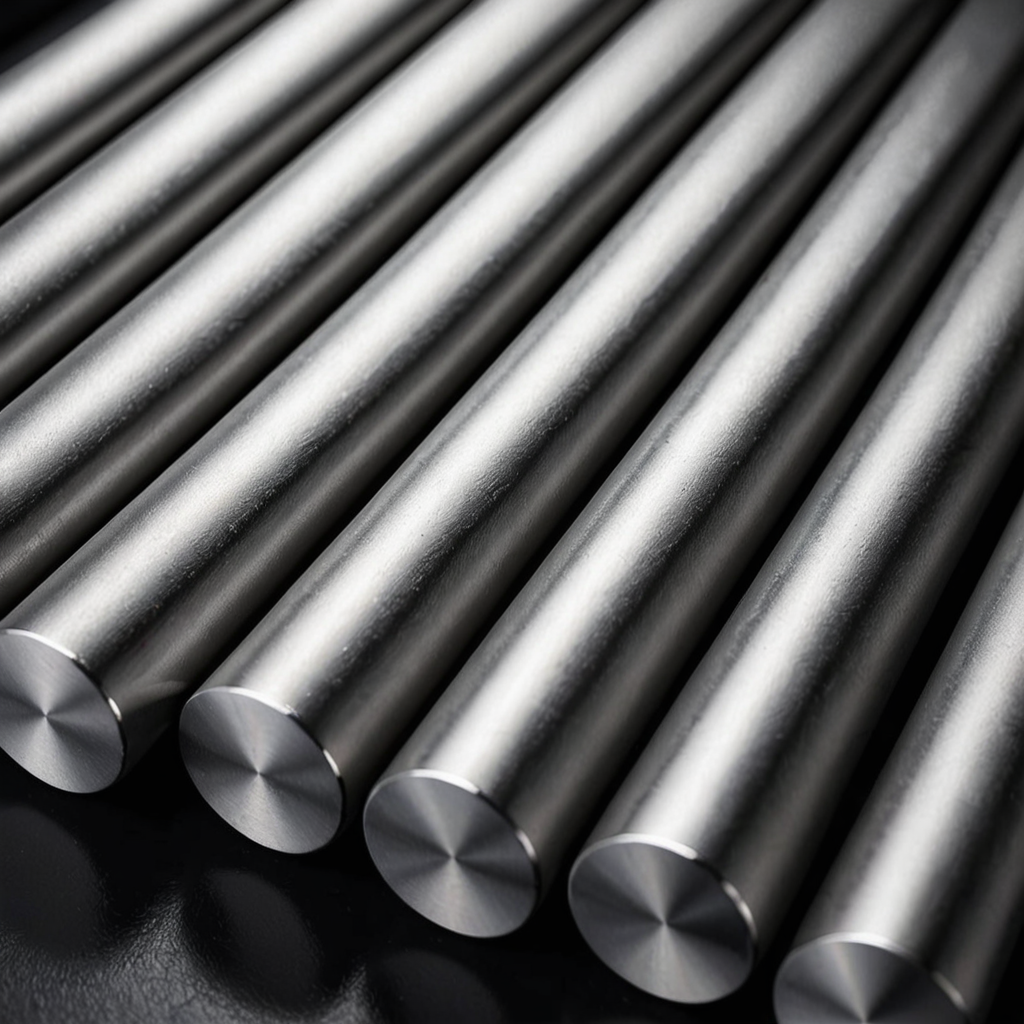
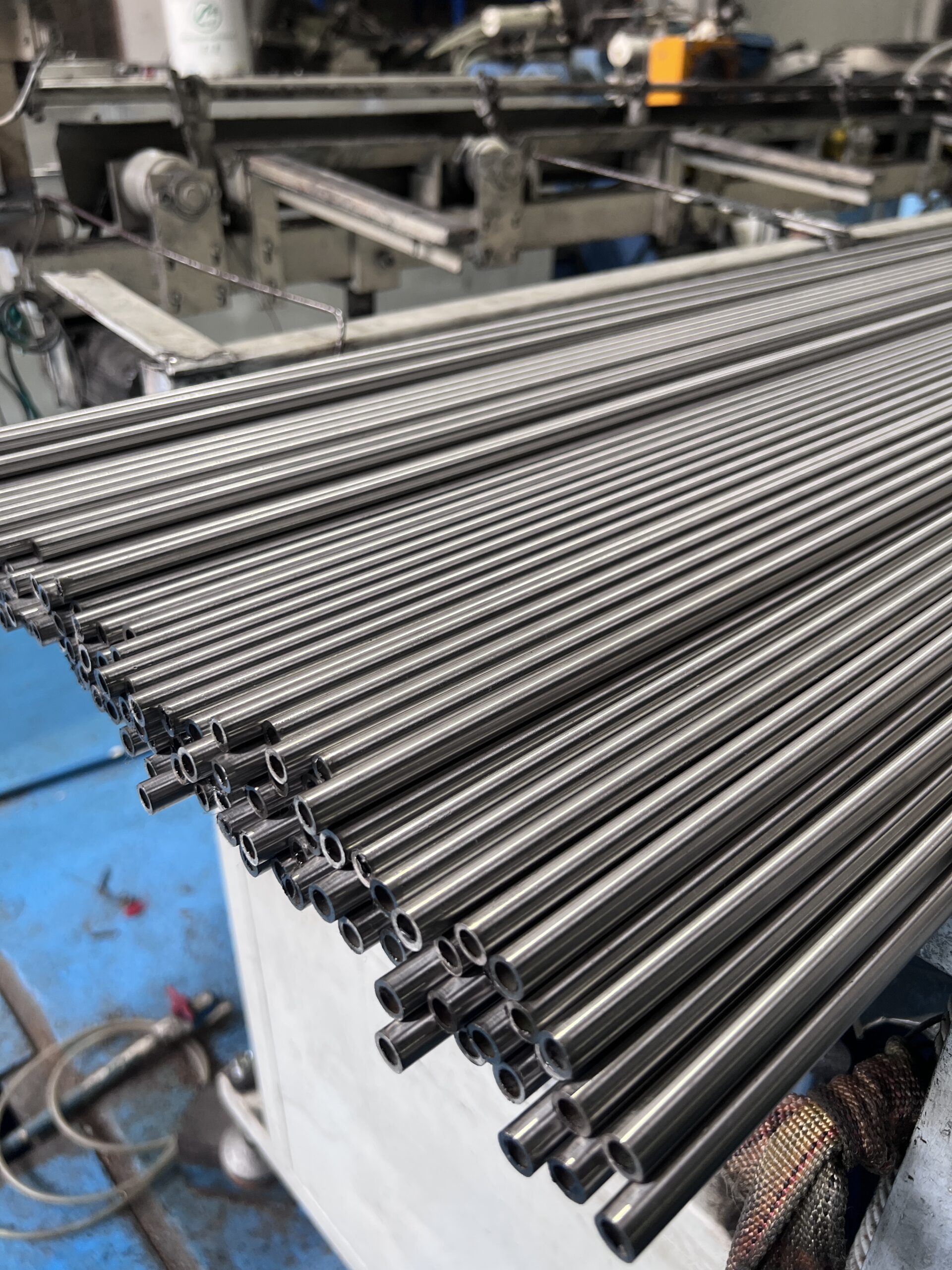
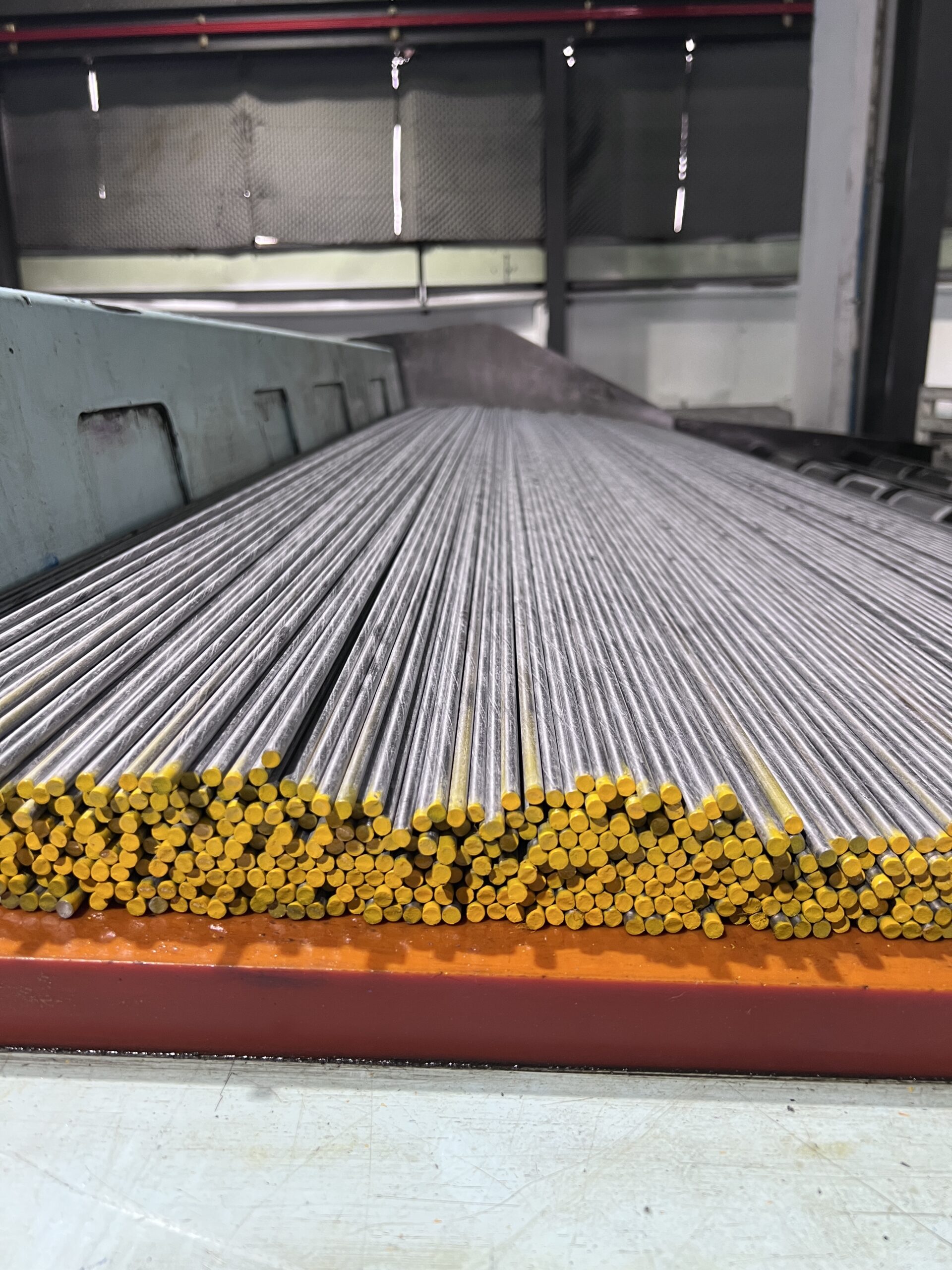
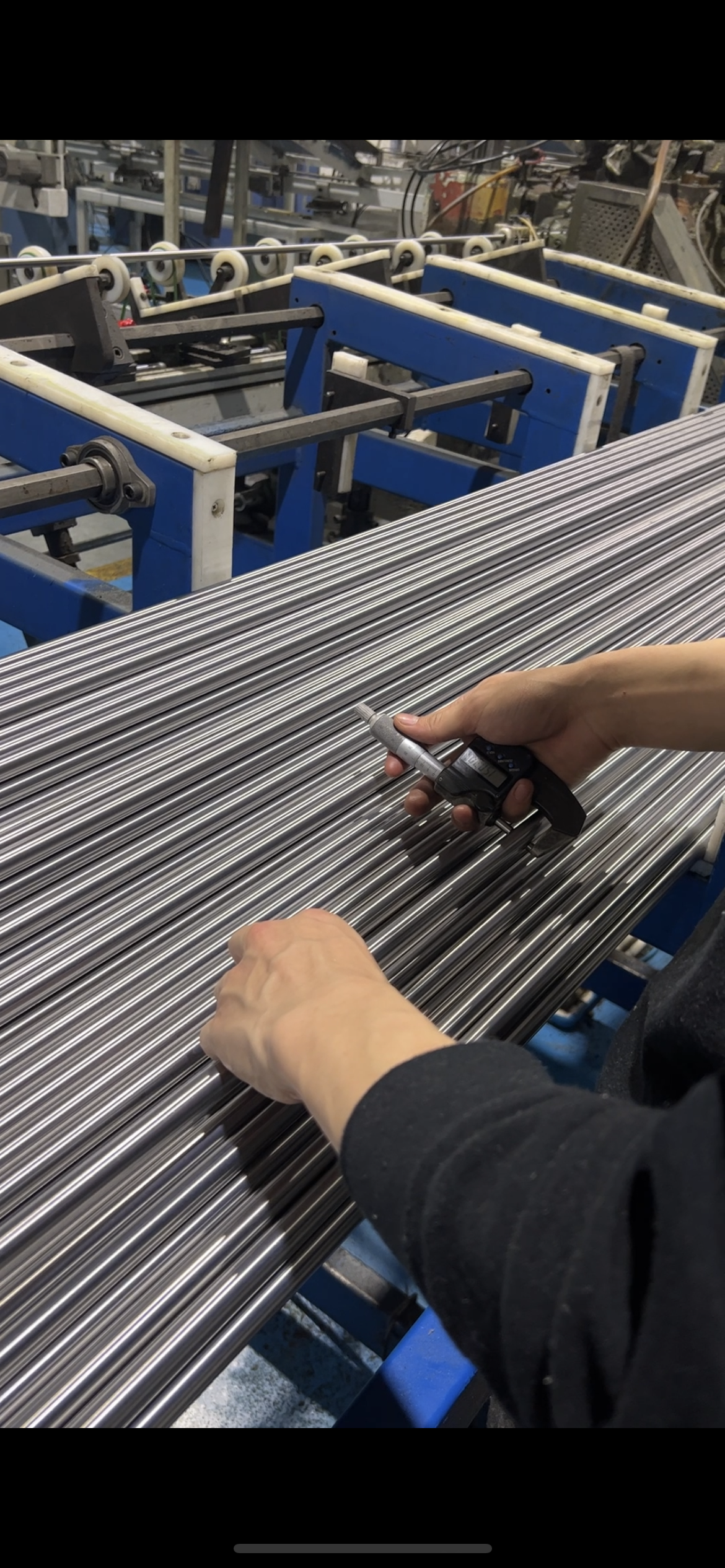
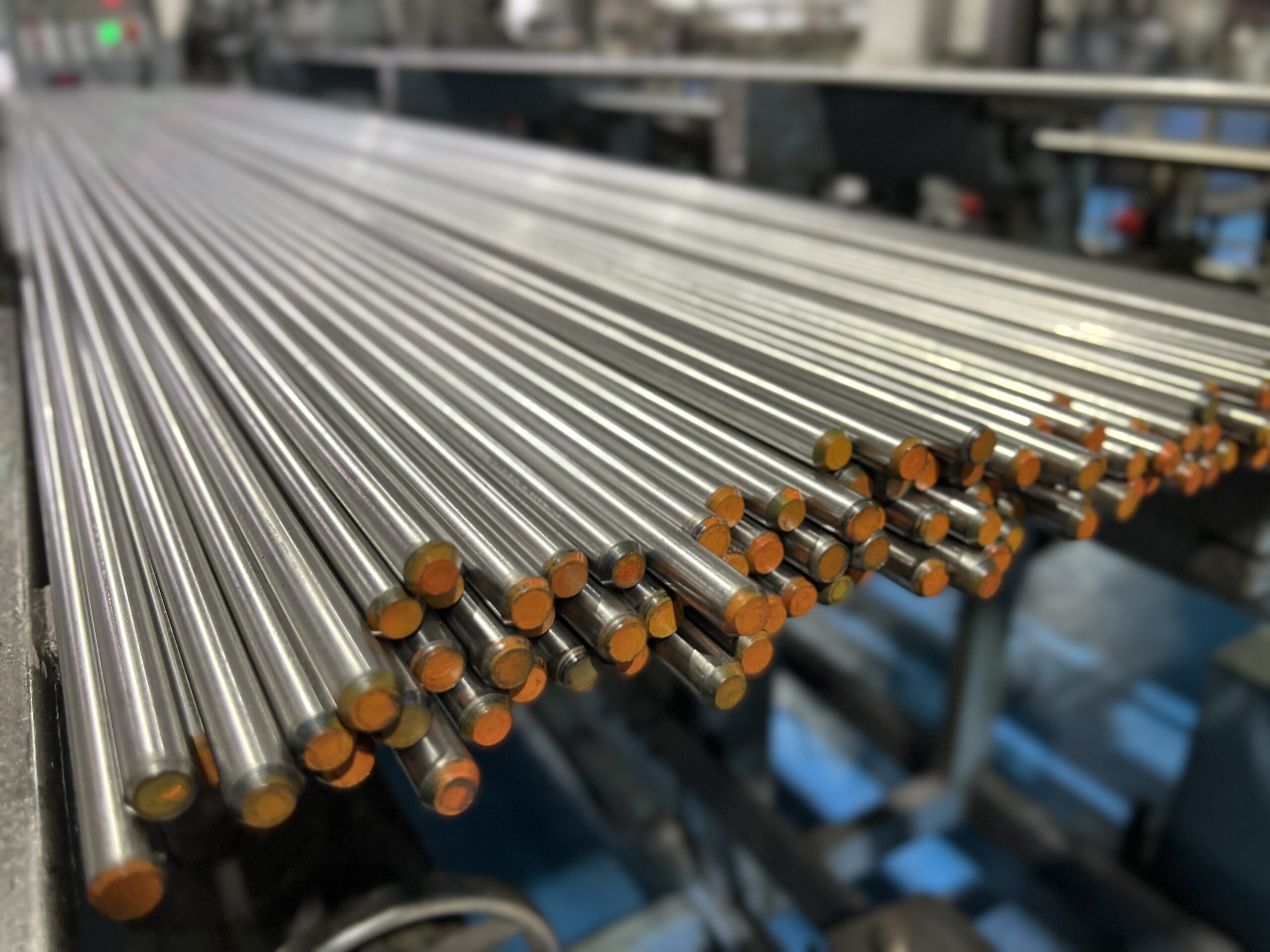
In high-precision components such as impeller shafts and drive shafts, the material’s stability directly determines product performance and service life. That’s why 630 stainless steel bar and 440C stainless steel bar have become the top material choices for Swiss-type (sliding head) machining, where strength, accuracy, and corrosion resistance are equally critical.
Strict Standards for High-Performance Shafts
For impeller and drive shafts, dimensional accuracy and surface integrity are non-negotiable. At Tongyi Metal, we set extremely tight quality standards to ensure every shaft performs flawlessly:
| Parameter | Specification | Purpose |
|---|---|---|
| Hardness | HRC 35–40 | Ensures wear resistance and fatigue strength |
| Yield Strength | ≥1000 MPa | Prevents deformation under load |
| Runout (≤500mm) | ≤0.05 mm | Guarantees rotational balance |
| Roundness Tolerance | ≤0.005 mm | Ensures stable fit and smooth motion |
| Surface Roughness (Ra) | ≤0.4 µm | Enhances sealing and operational smoothness |
Especially in underwater or high-humidity environments, corrosion resistance becomes a critical performance factor. The combination of strength, precision, and anti-corrosion capability determines whether a shaft can maintain performance over the long term.
630 vs 440C Stainless Steel: Two Materials, Distinct Strengths
630 Stainless Steel Bar (17-4PH)
-
Characteristics: Precipitation-hardened martensitic stainless steel
-
Advantages: High strength, excellent corrosion resistance, stable after heat treatment
-
Applications: Marine pumps, impeller bodies, turbine shafts, and high-load structures
-
Typical Hardness: HRC 35–40 (after aging treatment)
440C Stainless Steel Bar
-
Characteristics: High-carbon martensitic stainless steel
-
Advantages: Extremely high hardness, superior wear resistance, excellent dimensional stability
-
Applications: Underwater motor shafts, aerospace drive components, precision valves
-
Typical Hardness: HRC 55–60 (after quenching and tempering)
| Feature | 630 Stainless Steel | 440C Stainless Steel |
|---|---|---|
| Hardness (HRC) | 35–40 | 55–60 |
| Corrosion Resistance | Excellent | Good |
| Machinability | High | Moderate |
| Wear Resistance | Good | Excellent |
| Common Applications | Marine impellers, turbines | Precision shafts, valve parts |
Both materials, when properly heat-treated, maintain dimensional stability and long-term reliability even under high stress or corrosive conditions. The difference lies in their balance — 630 emphasizes corrosion resistance and toughness, while 440C prioritizes hardness and wear resistance.
Precision Comes from the Right Heat Treatment
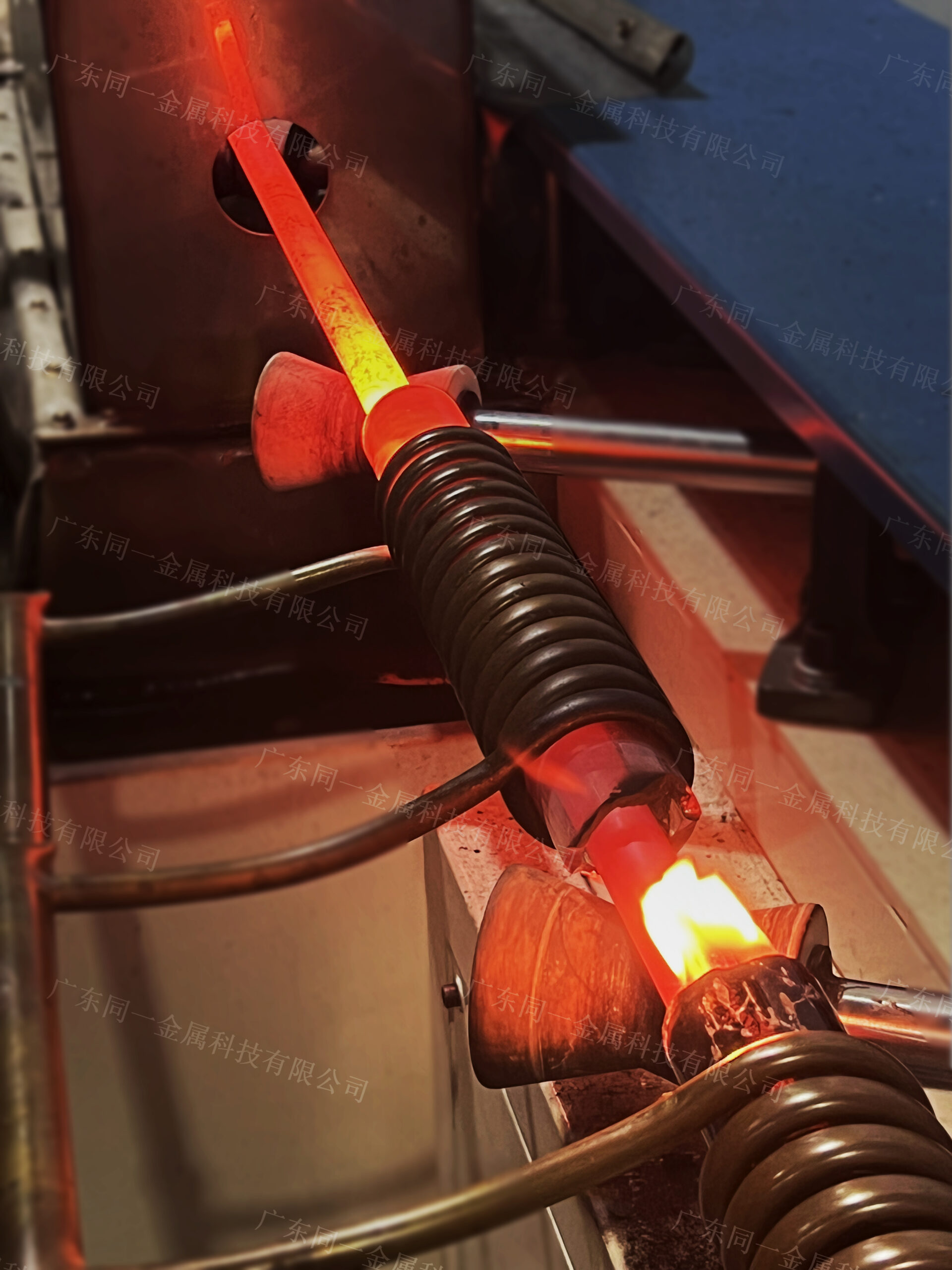
Improper heat treatment is one of the most common causes of shaft failure — leading to microcracks, deformation, or uneven hardness. At Tongyi Metal, every 630 and 440C stainless steel bar undergoes strict heat treatment and precision grinding, ensuring internal stress relief, uniform hardness, and dimensional accuracy throughout the batch.
Our in-house process controls include:
-
Temperature-controlled quenching and aging to stabilize structure
-
Stress-relief annealing to minimize internal tension
-
Fine surface grinding for superior straightness and surface finish
These controlled steps make our materials ideal for high-precision machining and complex assembly requirements.
Proven Materials for Demanding Industries
In marine engineering, chemical processing, and aerospace systems, components face extreme environments — from saltwater corrosion to high-pressure fatigue. Properly heat-treated 630 and 440C stainless steel bars provide the strength, hardness, and corrosion resistance needed to ensure continuous, stable performance.
Whether you’re facing shaft deformation, excessive runout, or corrosion-induced failure, switching to Tongyi Metal’s precision-treated 630 and 440C stainless steel bars delivers a proven solution — combining strength, accuracy, and reliability for every critical application.
90% of impeller shaft failures can be traced back to improper heat treatment. With Tongyi Metal’s 630 and 440C stainless steel bars, you’re choosing materials engineered for performance — with stable hardness, tight tolerances, and long-lasting durability that keep your equipment running flawlessly, even in the harshest environments