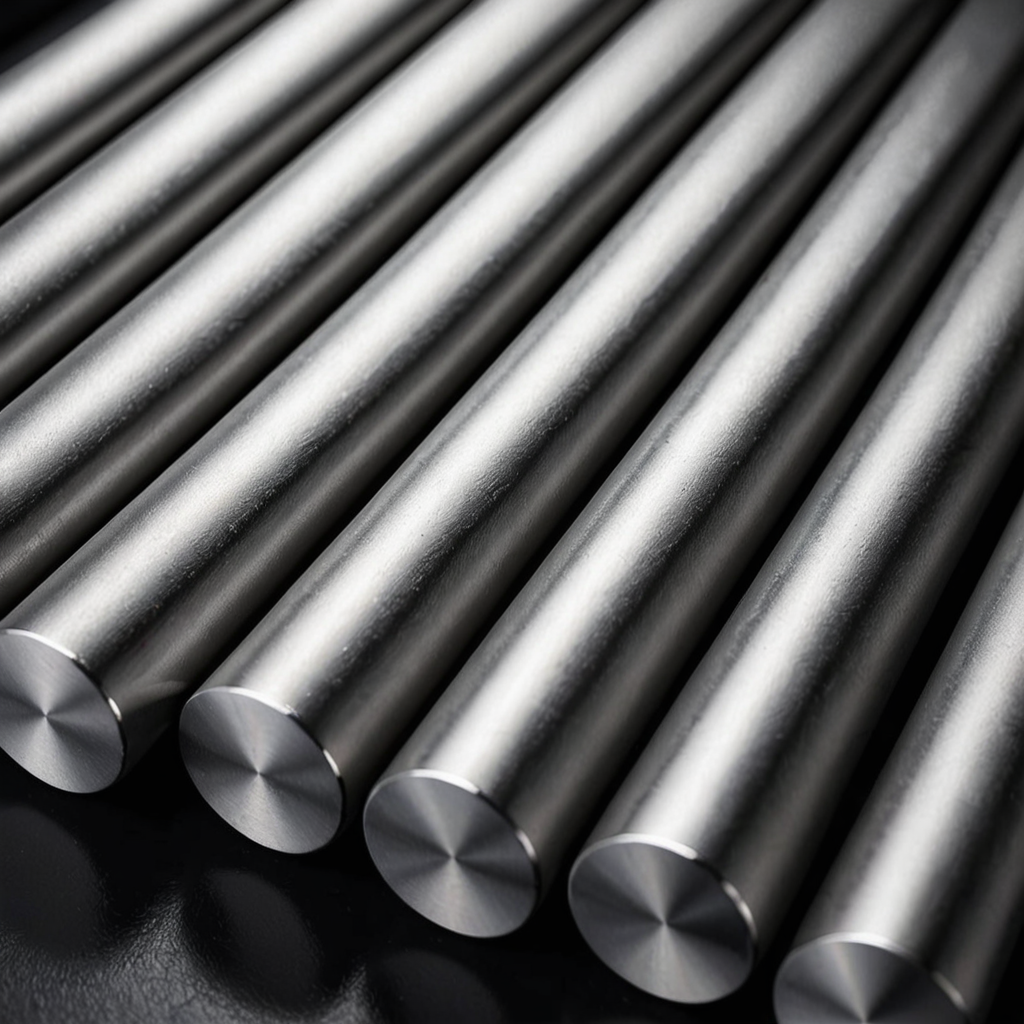
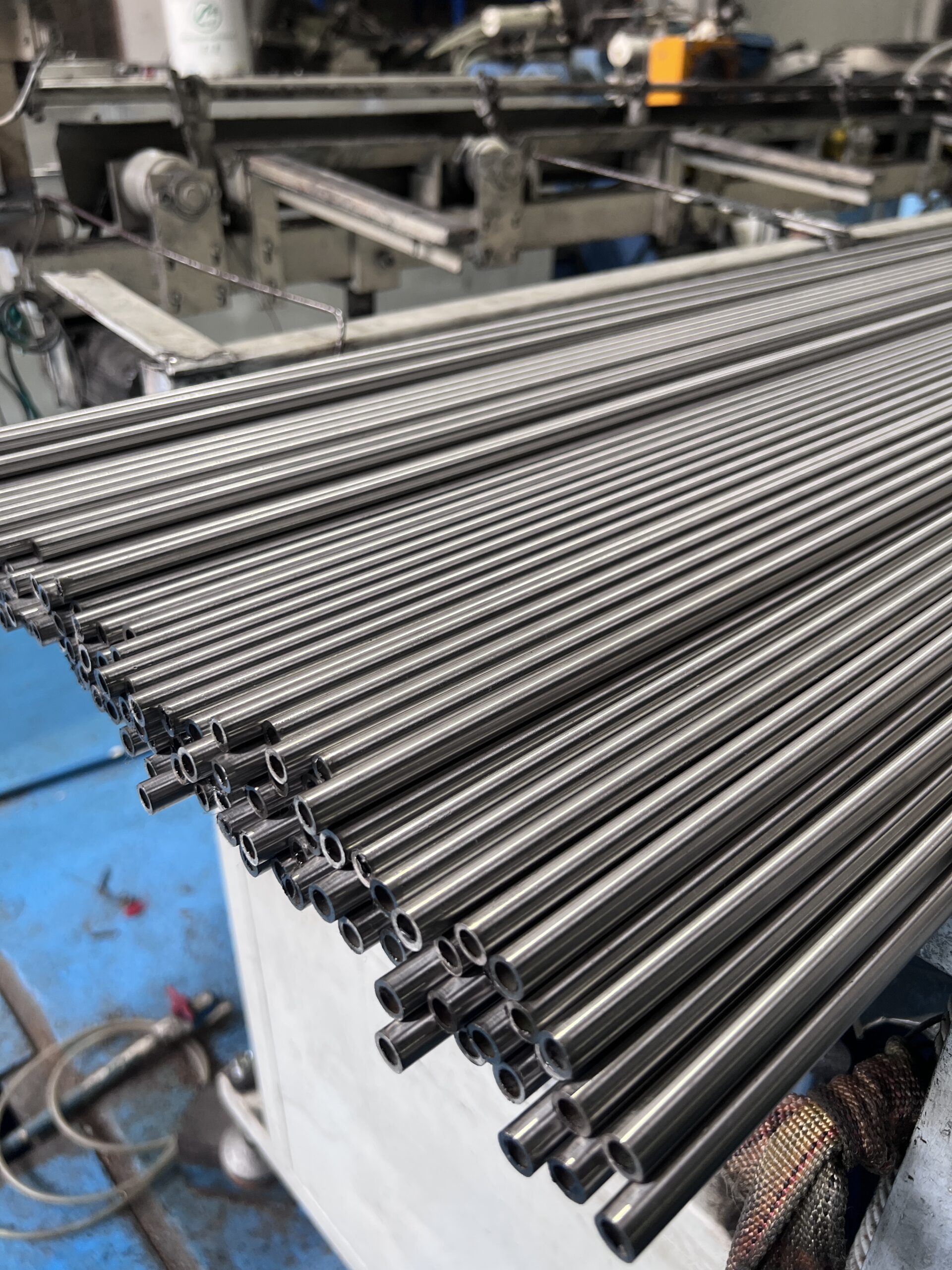
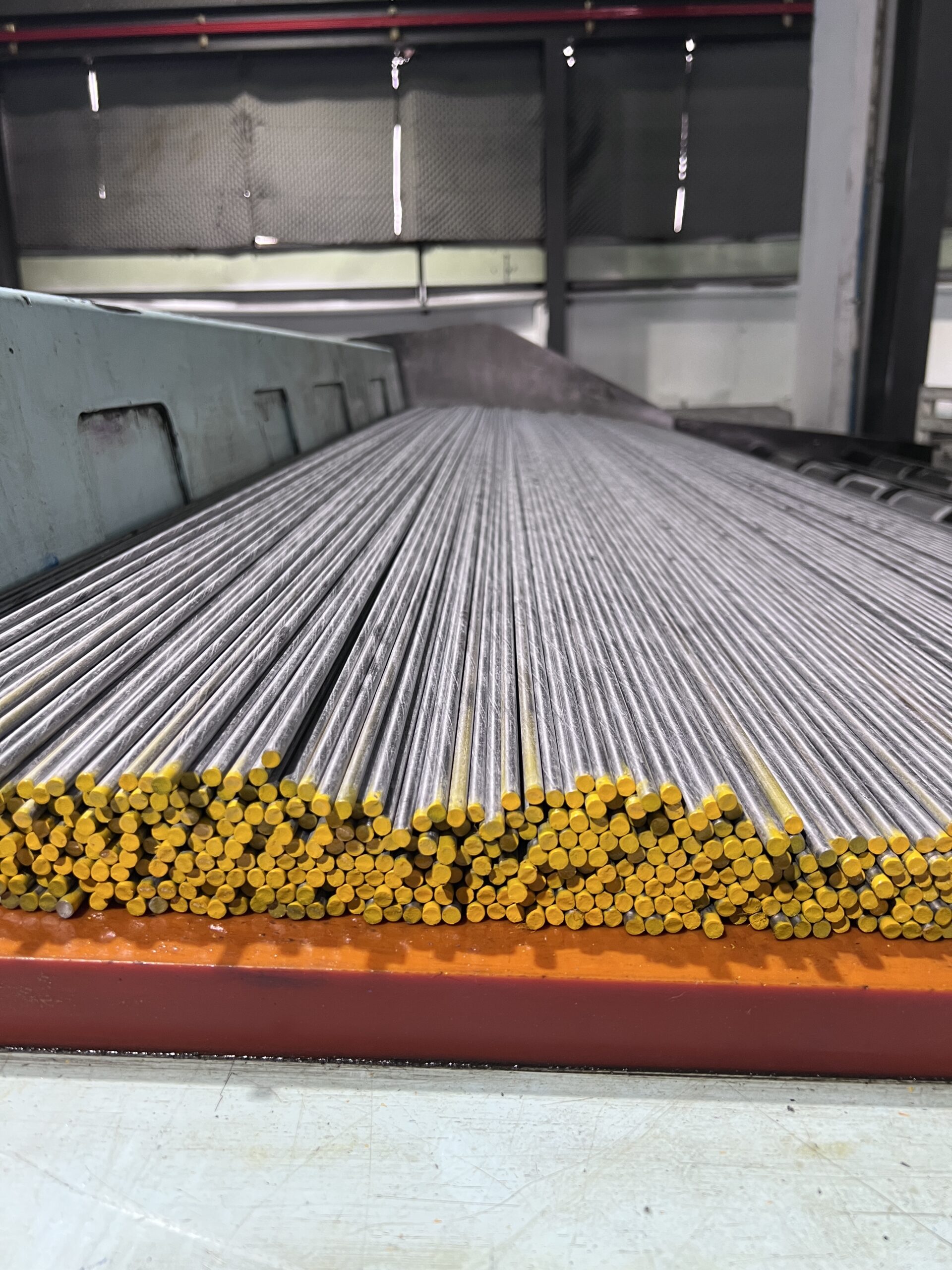
Stainless steel has long been a preferred material in the food industry due to its hygienic properties, corrosion resistance, and strength. Among the many grades, 316L stainless steel bars are particularly favored for use in food processing equipment and components. This article explores why 316L stainless steel is chosen for food applications, its advantages over other grades, and key considerations for manufacturers.
Key Properties of 316L Stainless Steel Bars
316L stainless steel is an austenitic stainless steel containing molybdenum. The “L” denotes low carbon, which enhances resistance to intergranular corrosion after welding or exposure to high temperatures.
| Property | Description |
|---|---|
| Composition | Fe, 16-18% Cr, 10-14% Ni, 2-3% Mo, Low C (<0.03%) |
| Corrosion Resistance | Excellent resistance to chlorides, acids, and harsh cleaning chemicals |
| Weldability | Superior weldability without risk of carbide precipitation |
| Durability | High mechanical strength and long service life |
| Hygiene Performance | Smooth, non-porous surface preventing bacterial buildup |
Advantages in Food Processing Applications
-
Corrosion Resistance in Harsh Environments
Food processing involves exposure to moisture, salts, organic acids, and cleaning chemicals. 316L bars withstand these environments without pitting or rusting, making them reliable for long-term use. -
Hygiene and Safety Compliance
A smooth and non-reactive surface ensures that bacteria, mold, and residues do not adhere. This makes 316L stainless steel compatible with FDA and EU hygiene standards. -
Durability and Mechanical Strength
Equipment in food plants must endure mechanical stress, from cutting and mixing to conveying. 316L stainless steel bars maintain structural integrity even under continuous operation. -
Resistance to High-Temperature Processes
Many food industries involve sterilization and heat treatment. The heat resistance of 316L prevents deformation or scaling at elevated temperatures. -
Cost-Effectiveness in the Long Run
While 316L may have higher initial costs than 304 stainless steel, its extended service life, reduced maintenance, and fewer replacements make it cost-efficient.
Applications in Food Processing
316L stainless steel bars are commonly used in:
-
Mixers and Blenders – components exposed to mechanical stress and cleaning agents.
-
Piping and Liquid Handling Systems – ensuring sanitary transfer of food and beverages.
-
Cutting and Slicing Tools – requiring sharpness, hygiene, and corrosion resistance.
-
Heat Exchangers and Sterilizers – operating under high-temperature conditions.
-
Storage Tanks and Containers – resisting chemical cleaning and long-term exposure to acidic foods.
Why Not Just 304 Stainless Steel?
While 304 stainless steel is widely used, it lacks the molybdenum that provides enhanced resistance against chlorides and acidic environments. In food processing, especially for seafood, dairy, or products with high salt and acid content, 316L outperforms 304 in durability and corrosion resistance.
Choosing 316L stainless steel bars for food processing is not just about corrosion resistance; it is also about ensuring safety, compliance, and long-term efficiency. From durability to hygiene, 316L stands as the optimal choice for modern food equipment manufacturers.